Ever heard of Wild Prickly Ash? It’s a remarkable herb, known in Traditional Chinese Medicine (TCM) as "Yě Huā Jiāo" (野花椒), and it's celebrated for its unique therapeutic properties, particularly for digestive and skin health. Let's dive into what makes this natural powerhouse so special and how it’s traditionally used.
Understanding Wild Prickly Ash: Therapeutic Properties
In TCM, understanding an herb's "personality" is key. Wild Prickly Ash is described with a specific energetic profile:
- Taste (性味): Pungent (spicy)
- Nature (性温): Warm
This warming, pungent nature makes it excellent for addressing conditions related to "cold" in the body. It primarily influences the Spleen and Stomach meridians (归脾、胃经), supporting their functions and helping to bring balance to the digestive system.
The Medicinal Part: What's Used?
When we talk about Wild Prickly Ash in medicine, we're usually referring to its fruit (果实). This small, potent part is packed with beneficial compounds.
A Closer Look: What Does It Look Like?
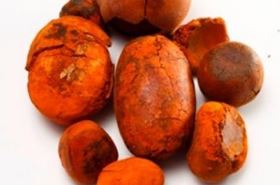
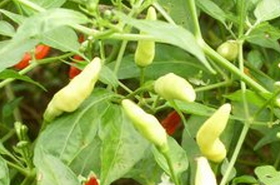
The fruit (分果球形) is spherical, often appearing in clusters of 1-2 individual fruitlets (常1-2个集生). Each fruitlet splits along its ventral and dorsal seams down to the base (每一分果沿腹背缝线开裂达基部), measuring about 6-7mm in diameter (直径6-7mm). Its surface is a reddish-brown (表面褐红色), densely covered with tiny, raised oil glands (密集凸起的小油腺点). The base extends into a stalk (基部延长为子房柄), about 2.5mm long (长约2.5mm) with a diameter of approximately 1mm (中部直径约1mm), showing longitudinal wrinkles (具纵皱纹). Inside, the seeds (种子) are ovoid-spherical (卵球形), 4-4.5mm long (长4-4.5mm) and 3.5-4mm in diameter (直径3.5-4mm), black and glossy (黑色,光亮), with an embedded funiculus at the base (基部种阜嵌入状). The pericarp (fruit peel) is tough (果皮质韧). The herb has a faint aroma (气淡) and tastes bitter and cool (味苦、凉), with a slight numbing and pungent (spicy) sensation (微麻而辣).
How to Use Wild Prickly Ash: Dosage and Administration
Wild Prickly Ash can be used in several ways, depending on the desired effect:
Internal Use (内服):
- Decoction (煎汤): Typically, 3-6 grams are boiled in water.
- Powder (研粉): For a more concentrated dose, 1-2 grams can be ground into a fine powder.
External Use (外用):
- Washing/Gargling (煎水洗或含漱): An appropriate amount can be boiled in water and used as a wash or mouth rinse.
- Topical Application (研末调敷): The powdered herb can be mixed with a medium (like water or oil) and applied directly to the skin.
The Power of Wild Prickly Ash: Functions and Indications
This herb is a true multitasker, offering a range of therapeutic benefits:
Core Functions (功效):
- Warms the Middle and Alleviates Pain (温中止痛): Ideal for digestive discomfort caused by cold.
- Eliminates Parasites and Stops Itching (杀虫止痒): Effective against various types of parasitic infections and related itching.
Key Indications (主治 - What it's used for):
Traditionally, Wild Prickly Ash is indicated for:
- Digestive weakness characterized by coldness (脾胃虚寒)
- Cold-induced abdominal and epigastric pain (脘腹冷痛)
- Vomiting (呕吐) and diarrhea (泄泻)
- Abdominal pain due to intestinal parasites, such as roundworms (蛔虫腹痛)
- Skin conditions like eczema (湿疹) and generalized skin itching (皮肤瘙痒)
- Genital itching (阴痒)
- Toothache, especially those caused by dental decay (龋齿疼痛)
Specific Actions by Part (作用):
Different parts of the plant offer distinct benefits:
- Fruit Peel (果皮): Primarily warms the digestive system, alleviates pain, expels parasites, and strengthens stomach function (温中止痛,驱虫健胃). It's often used for stomach pain (胃痛), abdominal pain (腹痛), and parasitic worm diseases (蛔虫病). Externally, it treats damp skin conditions (湿浊), skin itching (皮肤瘙痒), and toothache (龋齿疼痛).
- Seeds (种子): Known for their diuretic properties, they help promote urination and reduce swelling (利尿消肿). Traditionally used for edema (水肿) and ascites (腹水 - fluid accumulation in the abdomen).
- Root (根): Helps to dispel wind-dampness and alleviate pain (祛风湿,止痛). It's used for cold-induced stomach pain (胃寒腹痛), toothache (牙痛), and various types of "Bi Syndrome" (风湿痹痛 - rheumatic pain) caused by wind-dampness.
Modern Applications (现代应用):
Contemporary uses of Wild Prickly Ash align with its traditional roles, including addressing:
- Eczema (湿疹) and itching from allergic dermatitis (过敏性皮炎瘙痒)
- Stomach and abdominal pain (胃、腹疼痛)
- Abdominal pain caused by intestinal parasites (蛔虫腹痛)
- Toothaches (牙痛)
Pharmacological Actions (药理作用 - From a Scientific Viewpoint):
Modern research has begun to explore the mechanisms behind its traditional uses, identifying:
- Anti-parasitic effects (杀虫作用).
- Antitussive (cough suppressing) effects (镇咳作用).
- Expectorant effects (祛痰作用): Helps to clear mucus from the respiratory tract.
Important Considerations: Who Should Be Cautious?
While generally safe when used appropriately, it’s always wise to exercise caution, especially with medicinal herbs. Pregnant or breastfeeding women (妇女哺乳期慎服) should use Wild Prickly Ash with extreme caution and only under the guidance of a qualified healthcare practitioner. It’s crucial to consult a TCM professional or your doctor before starting any new herbal remedy to ensure it’s right for your specific health situation and to avoid potential interactions with other medications.
Wild Prickly Ash in Traditional Formulas (配伍)
Wild Prickly Ash is often combined with other herbs to enhance its effects or target specific conditions:
- For Cold Abdominal Pain, Cold-Damp Vomiting & Diarrhea (治脘腹寒痛,寒湿吐泻): Combine 3-6g of Wild Prickly Ash fruit peel (野花椒果壳) with 6g dried ginger (干姜) and 6g Evodia fruit (吴茱萸). Decocted in water for internal use. This combination is excellent for warming the digestive system and relieving severe cold-type pain.
- For Abdominal Pain and Vomiting Due to Roundworms (治蛔虫腹痛,呕吐): Use 6g of Wild Prickly Ash fruit peel (野花椒果壳) with 15-30g Mume fruit (乌梅). Decocted in water for internal use. This classic pairing is designed to expel parasites and calm digestive upset. (Formulas 1 & 2 are cited from "Hunan Materia Medica")
- For Wind-Cold-Damp Bi Syndrome and Knee Pain (治风寒湿痹及膝痛): Decoction made from Wild Prickly Ash root, stem, and fruit (野花椒根、茎、果实) for external washing/bathing. This external application helps to dispel cold, dampness, and wind, offering relief for joint and muscle pain. (Formula 3 is cited from "Jiangxi Herbal Handbook")
***
3-Second Self-Test & 30-Second Self-Rescue
Quickly assess your symptoms and try these immediate relief tips:
- If you often experience a cold sensation in your stomach, dull abdominal pain that feels better with warmth, or frequent loose stools/diarrhea after cold food...
- Then Immediately: Try warming your abdomen with a hot water bottle or a warm compress. Make yourself a soothing cup of fresh ginger tea.
- If you’re experiencing persistent skin itching that worsens in damp conditions or feels relieved by warmth...
- Then Immediately: Try a soothing oat bath or apply a cool, damp cloth to the irritated area. Avoid scratching to prevent further irritation.
Remember, these are temporary relief suggestions. For persistent or severe symptoms, always consult a qualified healthcare professional.
***
References:
- Research highlights the analgesic and anti-inflammatory properties of Zanthoxylum bungeanum, supporting its traditional use for pain relief. PMID: 27150917
- Studies indicate the in vitro anthelmintic potential of Zanthoxylum bungeanum essential oil, providing a scientific basis for its traditional anti-parasitic applications. PMID: 29074808
- A comprehensive review details the traditional uses, phytochemistry, and pharmacological activities of Zanthoxylum bungeanum, including its relevance for gastrointestinal conditions. PMID: 28989510
***
For informational purposes only. Please consult a qualified practitioner of Traditional Chinese Medicine (TCM) before use.