Shi Pi San
Formula Rhyme: Shi Pi San's blend, Poria, Atractylodes, Papaya extend. Licorice, Agastache, Areca lend. Cardamom, Ginger, Aconite, Magnolia Bark transcend. For cold-damp yin edema, its praised effects never end.
Understanding Shi Pi San: The Formula's Logic
The type of swelling, or edema, that Shi Pi San targets is often referred to in Traditional Chinese Medicine (TCM) as "yin edema" or cold-damp edema. It primarily stems from a deficiency of Yang energy in both your Spleen and Kidneys. When this warming, transformative Yang energy isn't sufficient, your body struggles to process fluids, leading to an internal build-up of water and dampness.
When dampness and water accumulate internally, they can overflow, causing your limbs to swell. Because water is a 'yin' pathogen with a downward-flowing tendency, you might notice the swelling is more pronounced below your waist. A lack of warming Yang from your Spleen and Kidneys can also leave your hands and feet feeling uncomfortably cold. This internal obstruction by water and dampness can impede the smooth flow of your vital energy (Qi), leading to a sensation of fullness or distention in your chest and abdomen. If your Spleen Yang is weak, its ability to properly digest and transform food suffers, often resulting in loose stools. Other tell-tale signs of this Yang deficiency with water retention include a lack of thirst, a white and greasy coating on your tongue, and a deep, wiry, slow pulse. The primary goal of Shi Pi San is to warm up your Yang energy, strengthen your Spleen, improve Qi circulation, and help your body eliminate excess water.
At the heart of this formula are Aconite Root (Fuzi) and Dried Ginger (Gan Jiang). Aconite is especially skilled at warming your Kidney Yang and aiding your body's Qi transformation processes to move water. Dried Ginger, on the other hand, focuses on warming your Spleen Yang and boosting its functions of transporting and transforming fluids to control water. Together, these two powerful herbs deeply warm both the Kidneys and Spleen, bolstering Yang energy and counteracting the pervasive cold and dampness.
Important Safety Note: Aconite Root (Fuzi) is a potent herb and must be processed correctly and used strictly under the guidance of a qualified TCM practitioner due to its inherent toxicity. Improper preparation or dosage can be harmful.
Supporting these chief herbs are Poria (Fu Ling) and Atractylodes (Bai Zhu). They act as key ministerial herbs, diligently draining dampness and strengthening the Spleen, thereby directing excess water out through urination.
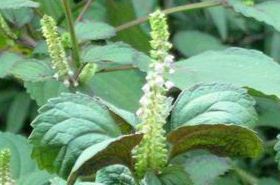
Assisting the main action, we have Papaya (Mu Gua) which helps resolve dampness, 'wakes up' the Spleen, and harmonizes your middle digestive area. Magnolia Bark (Hou Po), Agastache (Mu Xiang), Areca Seed (Da Fu Zi), and Cao Guo Ren (Fructus Tsaoko) work together to regulate your Qi and guide out stagnation. By encouraging the smooth flow of Qi, dampness is transformed, and any bloating or distention subsides. Cao Guo Ren and Magnolia Bark also have a drying effect on dampness, while Areca Seed further contributes to water elimination.
Rounding out the formula are Licorice Root (Gan Cao), Fresh Ginger (Sheng Jiang), and Jujube (Da Zao). These are considered adjunctive and guiding herbs. They nourish the Spleen and harmonize the middle burner. Fresh Ginger also provides a gentle warming effect to disperse water dampness, and Licorice famously harmonizes the actions of all the other ingredients, ensuring the formula works smoothly and effectively.
Shi Pi San: Usage and Dosage
Composition: Magnolia Bark (Hou Po, peeled, processed with ginger, dry-fried), Atractylodes (Bai Zhu), Papaya (Mu Gua, core removed), Agastache (Mu Xiang, unheated), Cao Guo Ren (Fructus Tsaoko), Areca Seed (Da Fu Zi), Prepared Aconite Root (Zhi Fu Zi, processed, peeled, navel removed), Poria (Fu Ling, peeled), Prepared Dried Ginger (Pao Gan Jiang) – 30g each. Prepared Licorice Root (Zhi Gan Cao) – 15g.
Traditional Preparation: Historically, the above herbs were coarsely ground. For each dose, 12g of this powder would be combined with one and a half cups of water, five slices of fresh ginger, and one jujube. This mixture was then simmered until the liquid reduced to about seven-tenths of its original volume. After straining out the dregs, the decoction was consumed warm, at any time of day.
Modern Preparation: Today, practitioners often add fresh ginger and jujube directly to the raw herbs, then decoct them with water. The overall dosage is typically adjusted proportionally downwards from the original traditional amounts.
Modifications:
- If you're experiencing shortness of breath, profound fatigue, lethargy, or reluctance to speak, Astragalus (Huang Qi) can be added. This helps to tonify Qi and further support water movement.
- For severe urinary retention and pronounced edema, Polyporus (Zhu Ling) and Alisma (Ze Xie) may be included to enhance the diuretic and swelling-reducing effects.
- If constipation is an issue, Morning Glory Seed (Qian Niu Zi) can be added to promote both urination and bowel movements.
Shi Pi San: Efficacy and Indications
Efficacy: This formula effectively warms your Yang energy, strengthens your Spleen, improves Qi circulation, and helps your body get rid of excess water.
Indications: Shi Pi San is primarily used for 'yin edema' (cold-damp edema) that originates from a deficiency of Spleen and Kidney Yang with internal water retention. Look out for these key symptoms: pronounced swelling below the waist, cold hands and feet, a noticeable absence of thirst, discomfort from chest and abdominal distention, loose stools, a white and greasy coating on your tongue, and a deep, wiry, slow pulse.
Application in Practice: This is a go-to formula for edema caused by Spleen and Kidney Yang deficiency. In clinical settings, the most crucial diagnostic signs include severe swelling primarily below the waist, chest and abdominal distention, a pale tongue with a greasy coating, and a deep, slow pulse.
Shi Pi San: Contraindications
It's important to note that Shi Pi San is not suitable for 'Yang edema,' which refers to acute, hot-type edema. This formula is specifically designed for cold-damp presentations.
Shi Pi San: Historical Context and Insights
1. Original Text Indications: From *Revising Yan Shi Ji Sheng Fang: Edema Chapter*: "Yin edema manifests with a deep, slow pulse, a pale complexion often bluish or white, no vexation or thirst, scanty and clear urination, and frequent loose stools. This is yin edema, for which warming formulas like Shi Pi San or Fu Yuan Dan are appropriate."
2. Formula Discussion Selection: From Wang Ang's *Yi Fang Ji Jie: Formulas for Dispelling Dampness*: "This is a formula primarily affecting the Foot Taiyin channel (Spleen). Spleen deficiency is addressed with Atractylodes, Poria, and Licorice to tonify it. Spleen cold is warmed with Ginger, Aconite, and Cao Guo Ren. Spleen dampness is drained with Areca Seed and Poria. Spleen repletion is regulated with Agastache and Magnolia Bark. However, the insufficiency of Earth (Spleen) often stems from an excess of Wood (Liver). Papaya, being sour and warm, can subdue Wood within the Earth element and also moves water. Together with Agastache, they harmonize the Liver, preventing Wood from over-restraining Earth. This allows Earth to control water and truly fortify the Spleen. The classics state: 'When dampness prevails, the Earth becomes muddy.' Thus, dispelling water is precisely how one fortifies the Earth."
References
- Chinese herbal medicine demonstrates potential in managing various forms of edema, including those related to kidney dysfunction. PMID: 32662243
- Modern research is exploring the cellular mechanisms through which TCM herbs support Spleen and Kidney Yang functions, particularly concerning metabolic regulation. PMID: 35940307
- Safe application of Aconite-containing formulas relies on rigorous processing methods and precise dosage control to mitigate potential toxicity. PMID: 34509789
Quick Self-Check & Support
Quick 3-Second Check-in: Do you often wake up with noticeable swelling, especially around your ankles or lower legs? Do your hands and feet feel chilly even in a warm room? Are you experiencing a general lack of thirst despite fluid retention, coupled with a feeling of fullness in your abdomen or occasional loose stools?
If you nodded yes to these, you might be dealing with Spleen and Kidney Yang deficiency. Here’s a 30-Second Self-Help Tip to gently support your system: Immediately try incorporating warming foods like ginger tea, cinnamon, or cooked root vegetables into your diet. Avoid excessive cold drinks and raw foods, which can further dampen your Spleen Yang. A short, brisk walk can also help move Qi and fluid, but don't overexert yourself.
For informational purposes only. Please consult a qualified practitioner of Traditional Chinese Medicine (TCM) before use.