Zhen Wu Tang: Understanding This Classic Formula
Formula Song: Zhen Wu Tang powerfully invigorates Kidney Yang, featuring Poria, Atractylodes, Peony, Aconite Root, and Ginger. It's the go-to for Lesser Yin abdominal pain with fluid retention, calming palpitations, dizziness, muscle twitching, and tremors to restore your well-being.
Formula Rationale: This formula is a foundational remedy for conditions stemming from Spleen and Kidney Yang Deficiency with an overflow of dampness and fluids. Think of it this way: the Spleen plays a key role in processing water, while the Kidneys are the masters of water metabolism. When Spleen Yang is weak, dampness can't be transformed efficiently. When Kidney Yang is insufficient, water isn't properly vaporized and transformed into Qi, leading to internal fluid stagnation. This weakness in Kidney Yang, combined with internal cold-water, can manifest as difficulty with urination. If these fluids spill over into the limbs, you might experience heaviness, pain, or swelling. When they gather in the intestines, it can cause abdominal pain and diarrhea. Should they rise to affect the Lungs and Stomach, cough or vomiting might occur. If fluid disturbs the Heart, you could feel palpitations. And if dampness obstructs the middle burner, preventing clear Yang from ascending, dizziness is a common symptom. Furthermore, if excessive sweating during a Taiyang (Greater Yang) stage illness exhausts Yin and damages Yang, leading to a lack of warmth and fluid infiltration into muscles and tendons, it can result in involuntary muscle twitching and an unsteady gait. Since all these symptoms originate from Yang deficiency and fluid retention, the core therapeutic strategy for Zhen Wu Tang is to warm the Yang and promote diuresis (fluid drainage).
This formula’s star ingredient, Processed Aconite Root (Fuzi), acts as the chief herb. It’s pungent, sweet, and hot, working to warm Kidney Yang, which then helps transform Qi and move fluids, while also warming the Spleen Earth to aid in the transformation and transportation of dampness. Given its potency, Processed Aconite Root (Fuzi) must be carefully prepared (e.g., detoxified through prolonged boiling) and used strictly under the guidance of a licensed TCM practitioner due to its potential toxicity if improperly handled or dosed. Always follow your practitioner's instructions precisely. As deputy herbs, Poria (Fuling) promotes urination and drains dampness, helping expel excess fluids through the urinary tract, while White Atractylodes (Baizhu) strengthens the Spleen and dries dampness. Fresh Ginger (Shengjiang) serves as an assistant, offering its warming and dispersing properties. It not only boosts Fuzi’s ability to warm Yang and scatter cold but also teams up with Poria and Atractylodes to disperse dampness. White Peony Root (Baishao) is another crucial assistant herb with four key functions:
- It promotes urination and moves water Qi, as noted in classical texts like Shennong Ben Cao Jing ("facilitates urination") and Ming Yi Bie Lu ("removes water Qi, benefits the bladder").
- It gently softens the Liver and eases spasms to relieve abdominal pain.
- It astringes Yin and relaxes tendons to alleviate muscle twitching.
- It helps prevent the scorching dryness of Processed Aconite Root from injuring Yin, making the formula suitable for longer, more gradual treatment when needed.
- If cold-water attacks the Lungs, causing a cough, add Dried Ginger (Ganjiang) and Asarum (Xixin) to warm the Lungs and transform phlegm-fluid. Schisandra (Wuweizi) can also be added to astringe Lung Qi and stop the cough.
- For severe diarrhea due to excessive Yin and deficient Yang, remove White Peony Root (as its Yin-nourishing and softening nature might be inappropriate here) and add Dried Ginger (Ganjiang) to further warm the interior and disperse cold.
- If cold-water invades the Stomach, causing vomiting, increase the dosage of Fresh Ginger (Shengjiang) to harmonize the Stomach and descend rebellious Qi. You might also add Evodia (Wuzhuyu) and Pinellia (Banxia) to enhance the warming of the Stomach and stop vomiting.
How to Use Zhen Wu Tang: Dosage and Preparation
Composition: Poria (Fuling), White Peony Root (Baishao), Fresh Ginger (Shengjiang, sliced), Processed Aconite Root (Fuzi, prepared, peeled, broken into eight pieces) — all 9g each. White Atractylodes (Baizhu) — 6g.
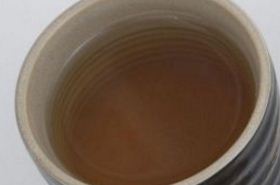
Traditional Preparation: Decoct in eight sheng (an ancient unit of volume, approximately 8 liters) of water until reduced to three sheng. Remove the dregs. Drink seven ge (tenths of a sheng) warm, three times a day.
Modern Preparation: Typically prepared as a water decoction for oral administration.
Modifications:
Zhen Wu Tang: Benefits and Main Indications
Benefits: Warms Yang and promotes diuresis.
Main Indications: This formula addresses Yang Deficiency with fluid retention. Key symptoms include an aversion to cold and cold limbs, difficulty with urination, palpitations or a feeling of unease below the heart, dizziness and blurred vision, involuntary muscle twitching, unstable standing, heavy and painful limbs, and edema (especially pronounced below the waist). Other presentations may include abdominal pain, diarrhea, or even cough, asthma, and vomiting. The typical tongue presentation is pale and swollen with teeth marks along the edges, covered by a white, slippery coating. The pulse is usually deep and thready. [Research indicates that TCM formulas targeting these patterns can effectively manage fluid imbalances. PMID: 29330689]
Clinical Application: Zhen Wu Tang is considered a foundational formula for warming Yang and promoting diuresis. In clinical practice, the crucial diagnostic markers for its use are difficult urination, a sensation of heaviness or actual swelling in the limbs, a pale and swollen tongue with a white coating, and a deep pulse. [Understanding the pathophysiology of Spleen-Kidney Yang deficiency is central to appropriate formula selection. PMID: 29631580]
Zhen Wu Tang: Historical Insights and Literature
1. Original Indications from Classical Texts:
① From Shang Han Lun (Treatise on Cold Damage) · Differentiation of Taiyang Disease Pulse and Patterns: "In Taiyang disease, after sweating, if the condition is not resolved, and the person still has fever, palpitations below the heart, dizziness, muscle twitching, and feels as if they are about to fall, Zhen Wu Tang is indicated."
② From Shang Han Lun · Differentiation of Shaoyin Disease Pulse and Patterns: "In Shaoyin disease, if it persists for two or three days, extending to four or five days, with abdominal pain, difficult urination, heavy and painful limbs, and spontaneous diarrhea—this indicates the presence of fluid retention. If the person also experiences coughing, or improved urination, or diarrhea, or vomiting, Zhen Wu Tang is indicated."
2. Selected Formula Analysis:
Luo Mei's Gu Jin Ming Yi Fang Lun (Collected Formula Discussions by Famous Physicians Throughout History), Volume 3, records Zhao Yuhuang's insights: "The Zhen Wu formula is specifically designed for managing water-related disorders associated with 'cold' conditions [referring to the Northern or cold region aspect in TCM climate theory, often implying cold pathology]. The inclusion of the three 'white' herbs [referring to Poria, Atractylodes, and Peony] is based on their ability to dry dampness, drain Kidney 'evil' (pathogenic factors) and promote diuresis, and harmonize Liver wood to clear water. Why then is the pungent, warm, and intensely hot Processed Aconite Root (Fuzi) indispensable as an assistant herb? Because the Spleen governs the processing of water, and the Kidneys control its movement. The Kidneys act as the 'gate' for the Stomach, collecting water according to its nature. If there is insufficient Yang in the Kidneys, even if the Spleen's transformative mechanism is operating, the Kidney's 'gate' will not open. Even if water intends to move, what will propel it? Thus, when the Spleen receives Processed Aconite Root, fire generates earth, and water finds its proper course. When the Kidneys receive Processed Aconite Root, the 'Kan Yang' (Kidney Yang) is stimulated, and water is effectively regulated. With the addition of the sour White Peony Root, it astringes the Liver and collects Yin Qi, ensuring a balance between Yin and Yang. As for Fresh Ginger, it is used concurrently to disperse water from the four limbs and harmonize the Stomach." [The intricate synergy of these herbs highlights a sophisticated understanding of physiological balance in TCM. PMID: 31599818]
Quick Self-Check & Self-Care
3-Second Self-Test: If you often feel bone-chillingly cold, especially in your hands and feet, experience persistent dizziness, or notice your limbs feel heavy and swollen... Then you might be experiencing symptoms Zhen Wu Tang traditionally addresses.
30-Second Self-Rescue: Immediately try a warm foot bath with ginger slices to stimulate circulation. Gently massage your lower back in circular motions to warm the Kidney area. These simple steps can offer temporary comfort while you consider consulting a TCM practitioner for a proper diagnosis.
For informational purposes only. Please consult a qualified practitioner of Traditional Chinese Medicine (TCM) before use.
References
Research indicates that TCM formulas targeting these patterns can effectively manage fluid imbalances. PMID: 29330689
Understanding the pathophysiology of Spleen-Kidney Yang deficiency is central to appropriate formula selection. PMID: 29631580
The intricate synergy of these herbs highlights a sophisticated understanding of physiological balance in TCM. PMID: 31599818