Precious Three-Life Pill: Usage and Dosage
Alright, let's talk about the Precious Three-Life Pill, or as it's known in Traditional Chinese Medicine (TCM), Zhenbao Sansheng Dan. This ancient formula has a specific blend of herbs and a particular way it's traditionally prepared and administered.
Ingredients:
The formulation typically includes:
- Hemp Seed (火麻仁): 90 grams
- Rhubarb Root (大黄): 90 grams
- Cornelian Cherry Fruit (山萸肉): 90 grams
- Chinese Yam (山药): 90 grams
- Dodder Seed (菟丝子): 90 grams
- Stir-fried Bitter Orange Peel (枳壳炒): 90 grams
- Areca Nut (槟榔): 90 grams
- Achyranthes Root (牛膝): 90 grams
- Bush Cherry Seed (郁李仁): 105 grams
- Plantain Seed (车前子): 105 grams
- Pubescent Angelica Root (独活): 105 grams
Preparation and Administration:
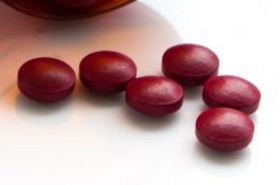
Traditionally, all these ingredients are ground into a fine powder. This powder is then combined with honey and rolled into small pills, each roughly the size of a Wutong (Chinese parasol tree) seed. The recommended dose is 100 pills per serving, which can be taken with either tea or wine.
**A Quick Safety Note:** Some of the herbs in this formula, particularly Rhubarb (大黄) and Areca Nut (槟榔), are quite potent. Rhubarb can have a strong purgative effect, and Areca Nut requires careful dosing. If you're considering this or any traditional herbal remedy, it's absolutely crucial to consult with a qualified Traditional Chinese Medicine practitioner. They can help determine if it's right for your specific health needs and advise on the correct and safe dosage. Never self-prescribe, especially with powerful herbs like these. This ensures your safety and the formula's effectiveness.
Precious Three-Life Pill: Efficacy and Indications
In TCM, the Precious Three-Life Pill is primarily indicated for serious conditions. It's traditionally used to address:
- **Hemiplegia:** This refers to paralysis affecting one side of the body. In TCM, such conditions are often linked to what's known as "wind-stroke" or apoplexy, where internal wind disturbs the body's vital functions and circulation.
- **Aphasia:** This involves speech impairment, often a consequence of conditions like apoplexy, where the ability to communicate verbally is compromised. TCM approaches these issues by aiming to restore balance, improve circulation, and nourish the affected areas. (A systematic review of TCM for post-stroke motor function and neurogenesis highlights the comprehensive approach of these therapies in recovery efforts) PMID: 34188448.
The combination of herbs in this formula is designed to address complex patterns often associated with these symptoms, such as clearing stagnation, supporting vital energy, and promoting circulation. Research has also explored the role of traditional medicine in improving speech after stroke, indicating the ongoing relevance of these historical remedies (TCM for post-stroke aphasia shows promising results in meta-analyses) PMID: 29878235. Understanding the synergy of these ingredients is key to appreciating its intended therapeutic actions (Many TCM formulas for stroke recovery are studied for their efficacy and safety) PMID: 32669785.
3-Second Self-Test + 30-Second Self-Rescue
If you or someone you're with suddenly experiences weakness or numbness on one side of the body, or difficulty speaking, understanding speech, or seeing, then immediately assume it could be a medical emergency like a stroke. Don't wait! Call 911 or your local emergency number right away. While waiting for help, gently place the person in a comfortable position, loosen any tight clothing around their neck, and observe their symptoms closely to report to paramedics.
Disclaimer:
For informational purposes only. Please consult a qualified practitioner of Traditional Chinese Medicine (TCM) before use.
References
Research indicates the potential of TCM in addressing neurological conditions like those presented: PMID: 34188448
Studies have explored the efficacy of TCM in post-stroke speech recovery: PMID: 29878235
Evidence supports the safety and effectiveness of various TCM approaches in managing acute ischemic stroke: PMID: 32669785