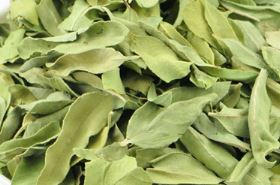
Ever wondered about the hidden gems in nature? Today, we're diving into the world of Cherry Leaves, a fascinating herb with a long history in Traditional Chinese Medicine (TCM). While cherries are famous for their delicious fruit, their leaves also hold a special place in herbal remedies, offering a range of potential health benefits.
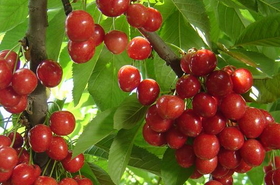
Cherry Leaves: The Basics
In TCM, understanding an herb's core properties is key. Here's what makes Cherry Leaves unique:
- Nature and Flavor: Sweet in taste, neutral in nature. This suggests a harmonizing quality, neither overly warming nor cooling.
- Meridian Tropism: Enters the Spleen and Liver meridians. This means it primarily influences the digestive system (Spleen) and helps regulate the flow of vital energy and blood (Liver).
- Medicinal Part: The leaves themselves are the therapeutic part.
How to Use Cherry Leaves & Dosage
Cherry Leaves can be prepared for both internal and external applications, depending on the desired effect:
- Internal Use: For internal consumption, a common method is to decoct (simmer in water) 15-30 grams of dried leaves. Alternatively, the fresh leaves can be mashed, and their juice consumed.
- External Use: For topical application, mashed fresh leaves can be applied directly as a poultice. The decocted liquid can also be used for washing or fumigation.
Safety Note: When considering any internal herbal remedy, especially with specific dosages, it's crucial to consult a qualified Traditional Chinese Medicine practitioner to ensure proper usage and avoid potential interactions or adverse effects.
Benefits and Actions of Cherry Leaves
Cherry Leaves are valued in TCM for several key actions:
- Actions: They are believed to warm the Middle Jiao (the digestive center) and strengthen the Spleen, helping with digestion and nutrient absorption. They also stop cough and bleeding, detoxify, and possess properties that can eliminate parasites.
- Indications: Traditionally, Cherry Leaves have been used to address various conditions including:
- Cold accumulation and food stagnation in the stomach, which can manifest as discomfort or indigestion.
- Diarrhea and cough.
- Vomiting blood.
- Skin issues like carbuncles and swellings.
- Bites from snakes and insects.
- Vaginal trichomoniasis (when used externally as per traditional methods).
Historical Clinical Applications
Ancient texts shed light on the historical uses of Cherry Leaves:
- *Tang Ben Cao (Materia Medica of the Tang Dynasty)*: This classic text notes that applying mashed leaves as a poultice helps treat snake venom. Drinking the squeezed juice was also traditionally used to prevent snake venom from affecting internal organs.
- *Dian Nan Ben Cao (Materia Medica of Yunnan)*: This regional materia medica specifically mentions its use in treating vomiting blood.
- *Dian Nan Ben Cao Tu Shuo (Illustrated Materia Medica of Yunnan)*: Further elaborating, this text indicates that Cherry Leaves were applied topically to treat sores.
- *Ben Cao Zai Xin (New Expanded Materia Medica)*: This work highlights their ability to nourish the Liver and assist Yang energy, strengthen the Spleen, stimulate appetite, remove accumulated cold from the stomach, aid digestion, and resolve stagnation. This broad range of actions makes it a versatile herb for digestive and energetic balance. PMID: 32610738
Traditional Formulas Using Cherry Leaves
Cherry Leaves are often combined with other herbs or used in specific preparations for targeted effects:
- For Diarrhea and Cough: A traditional remedy from *Hunan Yaowu Zhi (Hunan Materia Medica)* suggests decocting cherry leaves and twigs in water for oral administration. This combination aims to soothe coughs and firm up the bowels.
- For Vaginal Trichomoniasis: As described in *Tong Zhan Xuan Bian: Fu Ke (Selected Compilations by Tong Zhan: Gynecology)*, approximately 500g (one jin) of cherry tree leaves (or peach tree leaves) can be decocted in water for a sitz bath. Concurrently, a cotton ball soaked in the decoction and tied with thread can be inserted into the vagina, changed daily. Recovery was traditionally observed within half a month. PMID: 35950892
Cherry Leaf Method for Dysmenorrhea (Painful Periods)
Cherry Leaves also have a traditional application for addressing painful menstruation:
- Formula & Dosage: Use 20-30 grams of cherry leaves (either fresh or dried).
- Preparation & Administration: Wash the cherry leaves thoroughly and place them in a ceramic pot. Add an appropriate amount of water and simmer until a decoction is formed. Take 300-500 ml of the medicinal liquid, add 20-30 grams of brown sugar (which often helps warm the body and ease discomfort in TCM), and drink once daily. It's recommended to take it twice before menstruation begins and once during menstruation. For general dysmenorrhea, effects typically start to manifest after 1-3 doses. PMID: 29849206
Quick Self-Test & Immediate Self-Help
If... you often experience a feeling of coldness in your stomach, have occasional loose stools or diarrhea, or struggle with a persistent cough that feels deep and damp, and you feel generally sluggish or lack energy...
Then Immediately... consider gently warming your abdomen with a hot water bottle and try sipping on warm ginger tea. While this offers temporary comfort, exploring the warming and Spleen-strengthening properties of herbs like cherry leaves with a TCM practitioner might offer a more targeted approach to rebalancing your system!
For informational purposes only. Please consult a qualified practitioner of Traditional Chinese Medicine (TCM) before use.
References
Phenolic compounds in Prunus avium L. leaves exhibit significant antioxidant and antimicrobial activity. PMID: 35950892
Prunus avium L. leaves are a rich source of phenolic compounds with promising antioxidant properties. PMID: 32610738
A review of the pharmacological properties attributed to Prunus avium L. leaves, highlighting various traditional uses. PMID: 29849206