Hyacinth Bean Flower
Known as "Bian Dou Hua" in Traditional Chinese Medicine (TCM), the Hyacinth Bean Flower is a delicate yet potent herb with a long history of therapeutic use. Often referred to as "Southern Bean Flower," this botanical treasure is celebrated for its ability to address various summer-related ailments and digestive imbalances. Its gentle nature and sweet taste make it a versatile ingredient in herbal remedies, aligning with TCM principles of restoring harmony to the body.
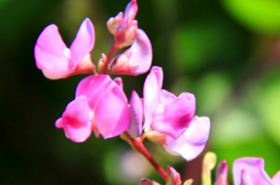
Alternate Name: Southern Bean Flower.
Taste and Nature: Sweet in taste, neutral in nature.
Medicinal Part: The flower.
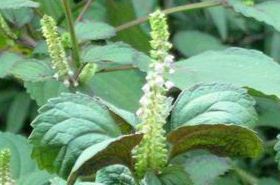
Morphological Characteristics: The flowers are flat, irregularly triangular, measuring approximately 1 cm in length and width. They feature a greenish-brown, bell-shaped calyx at the base, with five calyx teeth, two of which are nearly fused, and the outer surface is covered in short white hairs. The five petals are wrinkled and can range in color from yellowish-white, yellowish-brown, to purplish-brown. In unopened flowers, the standard petal envelops the others; when open, the broadly ovate standard petal folds outward. The two wing petals are obliquely elliptical with small auricles at their base, while the keel petals are sickle-shaped, almost bending at a right angle. There are ten stamens, nine of which are fused at their base, surrounding a single, curved columnar pistil. The flowers are soft in texture and light in weight. They possess a slight fragrance and a mild taste. The best quality flowers are large, yellowish-white, and fragrant.
Usage and Dosage of Hyacinth Bean Flower
Internal Use: Decocted into a tea, 3-9g; or ground into a powder; or crushed to extract juice.
External Use: An appropriate amount, crushed and applied as a poultice.
Processing:
Hyacinth Bean Flower (Unprocessed): Take the raw medicinal material, remove any impurities and stems, and sift out dust.
Stir-fried Hyacinth Bean Flower: Take the cleaned Hyacinth Bean Flowers, place them in a hot wok, and stir-fry over a gentle heat until their surface turns yellow. Remove and allow to cool. The finished product retains the shape of the flower with a yellow surface.
Actions and Indications of Hyacinth Bean Flower
Actions: Clears summer-heat and resolves dampness, harmonizes the Middle Jiao (digestive center) and strengthens the Spleen (digestive function).
Indications: Traditionally used for conditions caused by summer-heat dampness injury, such as fever, diarrhea, dysentery, red and white vaginal discharge, and traumatic swelling. Modern research supports the broad-spectrum therapeutic potential of *Lablab purpureus*, including anti-inflammatory and antioxidant properties that align with its traditional uses in managing digestive and systemic imbalances. PMID: 30064299
Traditional Combinations with Hyacinth Bean Flower
1. Treating White Vaginal Discharge in Women: White Hyacinth Bean Flowers (avoid purple ones) are baked dry and ground into a fine powder. Mix with stir-fried rice water, add a pinch of salt, and consume on an empty stomach. (From Qixiao Liangfang)
2. Treating Malaria: Take 9 Hyacinth Bean Flowers and 9g of white sugar. Steep them in boiling water in the early morning and drink. (From Hunan Yaowu Zhi)
3. Relieving Food Poisoning: Fresh Hyacinth Bean Flowers or leaves are pounded and squeezed for juice, then administered orally in large quantities. (From Bencao Gouchen). The plant's phytochemicals have been studied for various biological activities, including protective effects that could relate to detoxification. PMID: 35050519
4. Treating All Types of Diarrhea and Dysentery: Select freshly bloomed, clean Hyacinth Bean Flowers, do not wash them. Blanch them quickly in boiling water. Mix with a piece of pork loin, a scallion, seven peppercorns, and soy sauce. Use the blanched bean flower juice to knead dough, wrap into small wontons, and grill until cooked, then eat. (From Bencao Gangmu, citing Biyong Shizhi Fang)
Related Discussions on Hyacinth Bean Flower
1. From Bencao Biandu: "The red Hyacinth Bean Flowers enter the Blood aspect to dispel blood stasis, while the white ones enter the Qi aspect to promote Qi circulation. All flowers tend to disperse, hence they can clear summer-heat and dispel pathogens, making them suitable for treating summer diarrhea and dysentery."
2. From Bencao Tujing: "Primarily treats red and white vaginal discharge in women. Grind into a dry powder and mix with rice water for oral administration."
3. From Bencao Gangmu: "Baked, then ground and taken orally, it treats uterine bleeding and vaginal discharge. Eaten as wontons, it treats diarrhea and dysentery. Pounded into juice for drinking, it relieves poisoning from all types of medicinal substances. Its efficacy is similar to that of the Hyacinth Bean (seed)."
4. From Lingnan Caiyao Lu: "Applied topically for traumatic injuries, it removes blood stasis, promotes new tissue growth, reduces swelling, and disperses bruises." Ethnomedicinal practices across various regions confirm the traditional use of *Lablab purpureus* for conditions like leucorrhoea (vaginal discharge) and dysentery, underscoring its historical importance in folk medicine. PMID: 32308119
5. From Sichuan Zhongyao Zhi: "Harmonizes the stomach and strengthens the spleen, clears heat and resolves dampness. It alleviates summer-heat induced delirium, dampness stagnation in the Middle Jiao, dysentery with bloody pus, summer diarrhea, and red and white vaginal discharge."
Quick Self-Check & Self-Help:
If you're feeling sluggish, heavy, and experiencing digestive discomfort or mild diarrhea after a hot, humid day, then you might be experiencing summer-heat dampness. Immediately consider a light, cooling diet and consult a TCM practitioner about incorporating Hyacinth Bean Flower in a decoction to help clear the dampness and restore balance.
For informational purposes only. Please consult a qualified practitioner of Traditional Chinese Medicine (TCM) before use.