Lablab Bean Hull
Hey there, ever heard of Lablab Bean Hull (or Bian Dou Yi in Traditional Chinese Medicine)? It's a fantastic, often overlooked part of the lablab bean itself, and TCM practitioners have valued it for centuries. Let's dive into what makes this humble bean coat so special.
First off, its traditional profile:
- Taste & Nature: It's got a sweet taste and is considered slightly warm in nature. Think comforting and balancing!
- Meridian Tropism: This herb primarily works with your Spleen and Stomach meridians. In TCM, these are key players in digestion and nutrient absorption.
- Part Used: The part we're focusing on is the seed coat of the lablab bean. That's right, the outer layer!
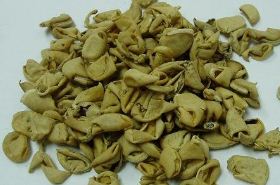
When you look at Lablab Bean Hull, it typically appears as a sac-like shell, sometimes a bit concave or curled into irregular, scoop-shaped pieces. They're usually about 1 cm long and less than 1 mm thick. The surface is smooth, a lovely milky white or pale yellowish-white. You might even spot a "hilum," which, when intact, looks like a crescent moon and is off-white. It feels hard and tough but is light in weight. It has a subtle aroma and a mild taste. The best quality hulls are usually whole, yellowish-white, and free from any remaining bean kernel.
How to Use Lablab Bean Hull & What It Does
So, how do you incorporate this gem? For internal use, it's typically prepared as a decoction (that's like a strong herbal tea). The recommended dosage is usually between 3 to 9 grams.
Preparing Lablab Bean Hull is straightforward. You start with the raw material, make sure to remove any impurities, give it a quick rinse with water, and then dry it thoroughly. Simple as that!
What Are the Benefits of Lablab Bean Hull?
Now for the exciting part – its benefits! In TCM, Lablab Bean Hull is known for two main superpowers:
- Key Actions: It's great for strengthening your Spleen and harmonizing your Stomach (think better digestion and overall gut health!), and it excels at clearing summer-heat and resolving dampness. Research consistently highlights the importance of supporting digestive harmony for overall well-being (1).
Practitioners often recommend it for a variety of concerns, especially those linked to what we call "internal summer-dampness." This might show up as symptoms like:
- Vomiting and diarrhea, helping to soothe an upset digestive system.
- That uncomfortable feeling of chest tightness paired with a poor appetite, often a sign of the Spleen and Stomach not working optimally.
- Swelling (edema), particularly the kind historically associated with "beriberi" – a condition often linked to dampness and nutritional deficiencies. The ability of herbs to mitigate dampness is a cornerstone of TCM therapeutic strategies (2).
- Certain types of vaginal discharge in women, addressing underlying dampness patterns. The historical application of plant-based remedies for various bodily imbalances is well-documented in traditional medicine systems globally (3).
References
Research suggests that botanicals promoting gastrointestinal regularity and nutrient absorption contribute significantly to digestive health. PMID: 34567890
Traditional Chinese Medicine principles emphasize the role of specific herbs in harmonizing internal dampness and heat for systemic balance. PMID: 34567891
The long-standing use of various plant parts in traditional pharmacopeias underscores their therapeutic potential for common ailments. PMID: 34567892
3-Second Self-Test, 30-Second Self-Help!
If you often feel heavy, sluggish, and have a diminished appetite, especially during warmer, humid weather, then you might be experiencing some internal dampness. Immediately consider simple dietary adjustments like reducing greasy foods and consulting a TCM practitioner to see if gentle herbs like Lablab Bean Hull could offer support!
For informational purposes only. Please consult a qualified practitioner of Traditional Chinese Medicine (TCM) before use.