Ginger: A Warming Ally in Traditional Chinese Medicine
Often just called "ginger," this potent root is a cornerstone in Traditional Chinese Medicine (TCM) and a versatile ingredient in kitchens worldwide. While you might know it for its spicy kick, ginger offers a remarkable range of health benefits, especially when it comes to warming the body and soothing digestive discomfort.
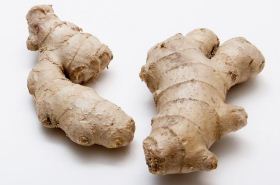
Also Known As: Ginger Root, Hundred Spicy Cloud, Hooked Finger, Earthly Pungent, Hot and Cold Kid.
Taste and Nature: Pungent (spicy) in taste, slightly warm in nature.
Meridian Affinity: Enters the Lung, Spleen, and Stomach meridians. This means it primarily acts on the respiratory and digestive systems according to TCM principles.
Medicinal Part: The dried rhizome of Zingiber officinale, a plant in the ginger family.
How Ginger Is Used and Prepared
Usage: Ginger is typically prepared as a decoction (boiled in water), with a dosage ranging from 3 to 10 grams, or consumed as fresh juice.
Traditional Preparation Method: For medicinal ginger slices, large, mature fresh ginger rhizomes without sprouts are carefully selected and sliced. These slices are then blanched in boiling water for 5-6 minutes until the starch inside becomes clear and purified. Following this, for every 100 kilograms of fresh ginger, it undergoes a brief fumigation with 1.5 kilograms of sulfur for approximately 5 minutes. Afterward, the ginger is thoroughly washed with cold water and transferred to a drying room. The optimal drying temperature is maintained between 65°C-70°C (149°F-158°F). During the drying process, the temperature is gradually increased to prevent the internal starch from saccharifying (turning into sugar), which could lead to deterioration and stickiness. Once fully dried, the finished dried ginger slices are obtained.
The Benefits and Actions of Ginger
Functions: Ginger is renowned in TCM for its ability to dispel external cold, warm the middle Jiao (the digestive system's core) and stop vomiting, warm the lungs and alleviate cough, and detoxify. Its anti-emetic properties have been widely studied in modern research, confirming its traditional use for nausea (PMID: 17377074).
Indications: It’s primarily used for common colds caused by wind-cold exposure, cold conditions affecting the Spleen and Stomach (leading to digestive discomfort), vomiting stemming from a cold stomach, coughs due to cold in the lungs, and even for detoxification from fish and crab poisoning. Emerging research also supports ginger's beneficial effects on respiratory epithelial cells, aligning with its traditional use for lung-related issues (PMID: 33549723).
Important Precautions: Who Should Avoid Ginger
While ginger offers many benefits, it's crucial to understand its nature. In TCM, ginger can help stoke the body’s internal "fire" and potentially deplete Yin (the cooling, nourishing aspect). Therefore, it should be avoided by individuals who are experiencing conditions of excess heat (e.g., high fever, severe inflammation) or those with Yin deficiency accompanied by internal heat (e.g., night sweats, dry mouth, hot flashes). Always consult a qualified practitioner of Traditional Chinese Medicine before incorporating ginger into your health regimen, especially if you have underlying health conditions or are taking medications.
Insights from Classical Texts
The esteemed classical text, the *Jīn Guì Yào Lüè* (Synopsis of Prescriptions of the Golden Chest), highlights ginger's potent anti-emetic properties, stating: "Both Pinellia (Ban Xia) and fresh Ginger juice are excellent for stopping vomiting, and their combined use is even more beneficial. They also have the function of invigorating the stomach and harmonizing the middle Jiao (digestive system)." This text recommends their use for disharmony of Stomach Qi, restless vomiting, and hiccuping. This classical wisdom is now backed by contemporary understanding of ginger's broad gastrointestinal benefits (PMID: 35359781).
Quick Self-Check & Immediate Action
3-Second Self-Check: If you're feeling a sudden chill, a runny nose with clear discharge, or a mild stomach ache accompanied by a desire for warmth...
30-Second Self-Rescue: Then immediately consider making a warm ginger tea. Slice a few pieces of fresh ginger, boil them in water for 5-10 minutes, and sip slowly. This can help warm your body and soothe discomfort.
For informational purposes only. Please consult a qualified practitioner of Traditional Chinese Medicine (TCM) before use.
References
Ginger's efficacy against nausea and vomiting is supported by clinical trials. PMID: 17377074
Studies show ginger's positive effects on respiratory cells, aligning with its traditional use for cold symptoms. PMID: 33549723
A comprehensive review highlights ginger's widespread benefits for the gastrointestinal tract. PMID: 35359781