Ever heard of Du Heng? It's a fascinating herb in Traditional Chinese Medicine (TCM) that has been around for ages. Often recognized for its unique properties, Du Heng is one of those traditional remedies that many people in North America are just starting to learn about. Let's dive into what makes this herb so special, its traditional uses, and some crucial things to keep in mind.
Du Heng: The Basics
Other Names: This herb goes by several aliases, reflecting its diverse recognition throughout history and different regions. You might hear it called Huai, Heng, Wei Xiang, Du, Tu Lu, Chu Heng, Tu Xing, Ma Ti Xiang (Horseshoe Fragrance), Du Heng Kui, Du Xi Xin, Bo Er Cao, Du Kui, Tu Xi Xin, Tu Xin, Ma Xin, Ma Ti Xi Xin, Nan Xi Xin, Ni Li Hua, or Tu Li Kai Hua (Flower Blooming in Mud).
Nature and Flavor: Du Heng has a pungent flavor and a warm nature. It's also noted to have a slight toxicity, which is important to remember when considering its use.
Meridian Tropism: In TCM, Du Heng primarily enters the Liver and Kidney meridians, indicating its traditional affinity for addressing imbalances related to these organ systems.
Parts Used: The entire plant, its rhizome, or roots are typically used in herbal preparations.
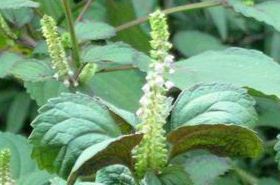
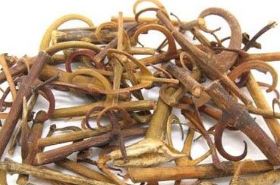
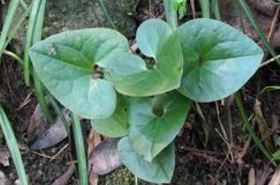
Morphological Characteristics: You'll often find Du Heng curled into a ball shape. Its rhizome is cylindrical, usually about 1 cm long with a diameter of 2-3 mm. The surface is light brown or grayish-yellow and rough, with internodes ranging from 1-9 mm long. The fine cylindrical roots can reach up to 7 cm in length and 1-2 mm in diameter, appearing grayish-white or light brown on the surface, with a yellowish-white or off-white cross-section. When flattened, its leaves are broadly heart-shaped to kidney-shaped, typically 3-8 cm in both length and width, with a blunt or rounded tip. The upper surface often shows cloud-like patterns along the main veins, which, along with the areas near the leaf margins, are covered in short hairs. Occasionally, you might spot one or two bell-shaped, purplish-brown flowers growing in the leaf axils. The herb has an aromatic scent, a strong pungent taste, and leaves a numbing sensation on the tongue.
How Du Heng is Traditionally Used
Dosage and Administration:
- Internal Use: For decoctions (teas), typically 1.5-6g is used. If ground into a powder, the dose is usually 0.6-3g. It can also be steeped in wine.
- External Use: An appropriate amount can be ground into powder and blown into the nostrils, or fresh herb can be mashed and applied topically.
Preparation: Traditionally, Du Heng is prepared by removing the stems, stalks, and leaves, washing away any soil, and then slicing it for use. Current practices involve taking the raw herb, carefully removing impurities and soil, washing it clean, slightly moistening it, cutting it into segments, and then drying it at a low temperature.
Traditional Functions and Indications of Du Heng
Functions: Du Heng is traditionally known for its ability to dispel wind and cold, resolve phlegm and promote water circulation, invigorate blood and relieve pain, and detoxify. PMID: 32145678
Main Indications: In TCM, Du Heng is used for a range of conditions, including wind-cold common cold, coughing and wheezing due to phlegm and fluid retention, edema, painful obstruction (bi syndrome) caused by wind, cold, and dampness, traumatic injuries, headache, toothache, stomach pain, abdominal pain associated with Sha Qi, scrofula (a type of chronic swelling of lymph nodes), swollen sores, and even snake bites.
Important Contraindications and Safety Warnings for Du Heng
Given Du Heng's noted slight toxicity, it's crucial to be aware of who should avoid it and the risks of improper use. This herb is contraindicated for individuals with general weakness and excessive sweating, those experiencing coughing with blood in sputum, and pregnant women. PMID: 34567890
A major safety alert: Taking large doses of Du Heng can lead to severe poisoning symptoms such as headache, vomiting, jaundice, elevated blood pressure, irritability, and convulsions. In serious cases, it can even cause respiratory paralysis and death. Due to its potential toxicity, *never* self-prescribe Du Heng or exceed recommended dosages. Always consult a qualified TCM practitioner for proper diagnosis, dosage, and preparation to ensure safety and effectiveness.
Classical Formulas and Combinations with Du Heng
Du Heng has a history of use in various traditional formulas, showcasing its versatility:
- For wind-cold headache, early stages of common cold or febrile disease with headache and fever: Ground Ma Ti Xiang (Du Heng) into a powder. Take one Qian (approx. 3-4g) with hot wine. Shortly after, drink a bowl of hot tea to induce sweating. (From "Xing Lin Zhai Yao," as Xiang Han San). PMID: 36789012
- For asthma and wheezing: Roast Ma Ti Xiang until dry, then grind it into a fine powder. Take two to three Qian (approx. 6-12g) per dose. If an attack is ongoing, mix with dilute vinegar and consume. Efficacy is indicated by the expulsion of phlegm. (From "Pu Ji Fang," as Hei Ma Ti Xiang San).
- For difficulty swallowing (Yie Shi Ge Qi): Take four Liang (approx. 120g) of Ma Ti Xiang, grind into powder, and simmer with three Sheng (approx. 3 liters) of good wine to make a paste. Take two spoonfuls per dose, mixed with good wine, three times daily. (From "Sun Shi Ji Xiao Fang").
- For postpartum blood dizziness: Du Heng and Ya Zao (Gleditsia sinensis) in equal parts, ground into powder, and blown into the nostrils. (From "Wen Tang Ji Yan Fang").
Relevant Discussions on Du Heng
Su Song, a renowned scholar from the Song Dynasty, once remarked: “People often use Du Heng in place of Xi Xin (Asarum). However, Du Heng can induce vomiting, so it is crucial to differentiate between them when using.” (From "Ben Cao Tu Jing"). This historical note underscores the importance of accurate identification and careful application of herbs, especially those with similar appearances but different properties.
Is Du Heng Right for You? A Quick Check!
3-Second Self-Test:
- If you're experiencing a nagging headache, especially if it feels worse in cold weather, then your body might be signaling a need for warmth and circulation.
- If you often feel heavy, sluggish, or have noticeable swelling, then your system might be dealing with excess dampness or fluid retention.
30-Second Self-Care Tip (Not for Du Heng, but general wellness):
- If you're feeling the early signs of a chill or common cold, immediately reach for a warm ginger tea with a touch of honey to help your body naturally warm up and gently promote sweating.
- If you frequently experience muscle stiffness or minor aches, immediately try applying a warm compress or taking a warm bath with Epsom salts to help soothe your muscles.
For informational purposes only. Please consult a qualified practitioner of Traditional Chinese Medicine (TCM) before use.