Bai Zhi: Your Ancient Ally for Headaches, Colds, and More
Often referred to as Dahurian Angelica Root, Bai Zhi (白芷) is a cornerstone herb in Traditional Chinese Medicine (TCM). Reaching deep into history, this pungent, warm-natured herb is renowned for its profound impact, primarily engaging with the Lung, Spleen, and Stomach meridians. It’s a versatile remedy, especially valued for addressing conditions rooted in external wind-cold and dampness, particularly those affecting the upper body.
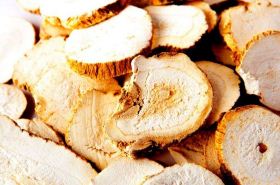
Understanding Bai Zhi
- Aliases: Xue Zhi, Fragrant Angelica
- Flavor & Nature: Pungent (辛), Warm (温)
- Meridian Tropism: Lung, Spleen, Stomach Meridians (meaning it primarily influences the functions of these organ systems in TCM theory)
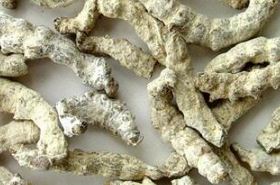
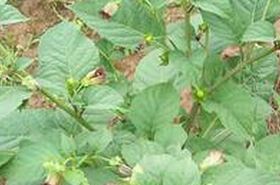
- Medicinal Part: The dried root of the plant Angelica dahurica or Angelica dahurica ‘Hang’, both belonging to the Umbelliferae (carrot) family.
How to Use Bai Zhi
Bai Zhi is incredibly versatile and can be used both internally and externally, depending on the condition.
- Internal Use: It is typically prepared as a decoction (simmered in water). The common dosage ranges from 3 to 10 grams.
- External Use: An appropriate amount of the prepared herb can be used topically.
Preparation (Pao Zhi)
The preparation of Bai Zhi is a meticulous process to ensure its quality and efficacy. First, impurities are carefully picked out. The roots are then washed with water, soaked until they are thoroughly moistened, and subsequently removed and slightly air-dried until their outer skin loses any slippery sensation. After this, they are re-moistened, sliced, and finally dried completely.
The Healing Power of Bai Zhi: Functions & Indications
Bai Zhi is a highly valued herb in the TCM pharmacopeia, recognized for its broad spectrum of therapeutic actions.
- Key Functions: It helps to release the exterior and dispel cold, expel wind and alleviate pain, unblock nasal passages, dry dampness and stop vaginal discharge, reduce swelling and promote pus drainage, and relieve wind-related itching.
- Common Indications: Bai Zhi is traditionally used to address a range of conditions, including:
- Wind-cold common colds
- Headaches, including frontal headaches, and toothaches
- Rheumatic joint pain (often referred to as "Bi Syndrome" in TCM)
- Nasal discharge, congestion, or sinusitis (known as "Bi Yuan")
- Vaginal discharge syndromes ("Dai Xia syndrome")
- External sores, carbuncles, and inflammatory swellings
Modern research has also started to explore the mechanisms behind Bai Zhi's traditional uses. For instance, studies suggest that angelicain, a coumarin compound isolated from Angelica dahurica, may help ameliorate neuropathic pain by inhibiting spinal glial activation. PMID: 32679261
Important Considerations: Bai Zhi Contraindications
While generally safe when used appropriately, Bai Zhi is not suitable for everyone. It is specifically contraindicated for individuals experiencing Yin deficiency and blood-heat conditions. These conditions often present with symptoms such as a feeling of heat in the palms and soles, night sweats, dry mouth, or a flushed complexion. Always consult with a qualified Traditional Chinese Medicine practitioner before incorporating Bai Zhi into your health regimen, especially if you have existing health concerns or are taking other medications.
Bai Zhi in Harmony: Common Herbal Combinations
In TCM, herbs are often combined to create synergistic effects, enhancing their therapeutic power and targeting specific symptoms more precisely.
- For Wind-Cold Colds, Headaches, and Nasal Congestion: It is frequently combined with herbs like Fang Feng (Ledebouriella Root) and Qiang Huo (Notopterygium Root).
- For External Wind-Heat Conditions: Bai Zhi is often used alongside Bo He (Peppermint), Ju Hua (Chrysanthemum Flower), and Man Jing Zi (Vitex Fruit).
- For Toothaches: It can be combined with Shi Gao (Gypsum Fibrosum) and Huang Lian (Coptis Rhizome).
- For Nasal Discharge and Headaches: Combinations often include Cang Er Zi (Xanthium Fruit), Xin Yi (Magnolia Flower Bud), and Bo He (Peppermint). Research suggests compounds like imperatorin, found in Angelica dahurica, can exert inhibitory effects on allergic rhinitis by suppressing mast cell activation and the release of inflammatory mediators. PMID: 32549221
- For Swellings and Carbuncles:
- If there's swelling or a carbuncle without pus formation (e.g., in breast conditions), it may be combined with Pu Gong Ying (Dandelion) and Gua Lou (Trichosanthes Fruit).
- For carbuncles with inadequate pus discharge, it can be combined with Jin Yin Hua (Honeysuckle Flower) and Tian Hua Fen (Trichosanthes Root). The antimicrobial activity of Angelica dahurica root extract and its main components against various skin pathogens has been demonstrated, lending support to its traditional use in skin infections and inflammatory conditions. PMID: 29555198
- For Vaginal Discharge:
- For cold-damp type vaginal discharge, it can be combined with Lu Jiao Shuang (Deer Antler Gelatin), Bai Zhu (Atractylodes Rhizome), and Pao Jiang (Prepared Ginger).
- For damp-heat type vaginal discharge, it may be combined with Che Qian Zi (Plantago Seed) and Huang Bai (Phellodendron Bark).
Insights from Ancient Texts: Related Discussions on Bai Zhi
Classical TCM texts offer invaluable perspectives on the properties and applications of Bai Zhi, showcasing its long-standing significance.
- From Ben Cao Gang Mu (Compendium of Materia Medica): "Bai Zhi, white in color and pungent in flavor, moves through the Hand Yangming (Large Intestine) meridian; its warm nature and potent energy move through the Foot Yangming (Stomach) meridian; its aromatic essence ascends, entering the Hand Taiyin (Lung) meridian. For various ailments of the head, eyes, eyebrows, and teeth, these are often wind-heat conditions of these three meridians. For issues like vaginal bleeding, discharge, carbuncles, and sores, these are often damp-heat conditions of these three meridians. Wind-heat is dispersed by its pungent nature, while damp-heat is eliminated by its warm property. As a principal herb for the Yangming meridians, it can also treat blood disorders and pregnancy-related conditions, draining pus, promoting flesh regeneration, and relieving pain. It treats nasal discharge, toothache, hematuria, supraorbital pain, wind-constipation of the large intestine, dizziness and vertigo due to blood-wind in women, and 'flipping stomach' with vomiting. It also detoxifies arsenic and snake bites, stops nosebleeds, and heals knife wounds and metal trauma."
- From Ben Cao Qiu Zhen (Seeking the Truth in Materia Medica): "Bai Zhi, with its warm energy and potent effect, opens orifices and moves to the exterior, making it a primary herb for expelling wind and dampness from the Foot Yangming meridian. Therefore, it can treat all head and facial disorders related to Yangming, such as dizziness and headache, supraorbital pain, gum and bone pain, and facial blemishes. Furthermore, when wind-heat invades the Lung, it ascends and harms the brain, manifesting as copious nasal discharge; when it moves to the Large Intestine, it can transform into uterine bleeding, amenorrhea, intestinal wind, hemorrhoids, carbuncles, and sores. When wind and damp-heat manifest on the skin, they can cause sores and itchy dryness. Bai Zhi can warmly disperse, resolve, and untie these conditions, clearing all wind from the superficial layers and quietly dissipating stagnant swellings and carbuncles. It is truly an essential agent for expelling wind upwards and dispersing damp-fire."
- From Ben Cao Zheng Yi (Correct Meaning of Materia Medica): "Bai Zhi has a pungent and warm flavor, with a particularly strong aroma, making it highly effective at drying dampness. What Ben Jing (The Divine Farmer's Materia Medica) refers to as 'promoting flesh regeneration and beautifying the complexion' is based on its warming and nourishing properties, not that it universally treats external sores, promoting muscle growth. Yet, Da Ming Ben Cao (Materia Medica of Da Ming) astonishingly claims it treats breast carbuncles, back carbuncles, scrofula, hemorrhoids, sores, scabies, and asserts it 'breaks up old blood, generates new blood, drains pus, and relieves pain.' Jie Gu also stated it treats wind-damp skin numbness and dry itching of the head and face. Even Bin Hu asserted that its white color, pungent flavor, warm nature, and potent energy make it a principal herb for Yangming, and since carbuncles are Yangming damp-heat, and damp-heat is eliminated by warmth, it drains pus, promotes flesh regeneration, and relieves pain. I believe that pungent and warm ascending substances can treat cold-dampness, but certainly not damp-heat. Ulcers, as a disease, are nine out of ten cases of excess damp-heat, and one out of ten cases of insufficient cold-dampness. How can it universally treat carbuncles? This would be like adding fuel to the fire."
Quick Check-in: Is Bai Zhi Right for You?
Ever wonder if this ancient remedy could be your answer? Take a quick self-assessment to see if Bai Zhi might align with your current health needs:
- If you're experiencing a stuffy nose and a throbbing headache from a recent cold, accompanied by chills... Then Bai Zhi, known for clearing nasal passages and easing pain, might offer relief by addressing wind-cold.
- If you have a dull, achy pain in your joints that worsens with cold or damp weather, making you feel heavy or stiff... Then Bai Zhi, with its ability to expel wind and dampness, could be a helpful addition to your wellness routine.
- If you have persistent headaches, especially around your forehead or above your eyebrows (supraorbital pain)... Then Bai Zhi, targeting the Yangming meridians, may help alleviate that discomfort.
Immediately consult a qualified Traditional Chinese Medicine practitioner for a personalized diagnosis and professional guidance.
For informational purposes only. Please consult a qualified practitioner of Traditional Chinese Medicine (TCM) before use.