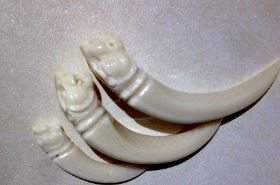
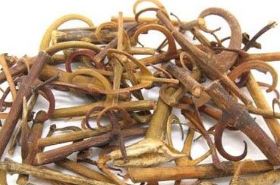
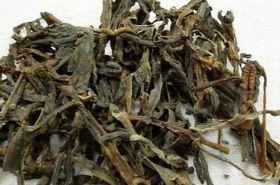
Hey there, ever heard of Canglin San? It’s a classic Traditional Chinese Medicine (TCM) formula that's been trusted for ages to tackle some pretty uncomfortable digestive and cold-like symptoms. Think of it as a historical go-to for when your body feels out of sync, especially if you’re dealing with a nasty combination of gut issues and a general sense of feeling unwell.
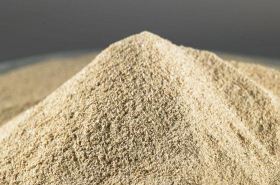
How to Use Canglin San and What's Inside
Curious about what makes Canglin San tick? Let's break down its ingredients and how it's traditionally prepared:
Ingredients: This powerful blend brings together a specific combination of herbs, each contributing to its overall effect. Here’s the lineup, with each herb typically in a 9-gram dose:
- Ginseng (人参)
- Poria (茯苓)
- Licorice Root (甘草)
- Peucedanum Root (前胡)
- Sichuan Lovage Rhizome (川芎)
- Notopterygium Root (羌活)
- Angelica Pubescens Root (独活)
- Platycodon Root (桔梗)
- Bitter Orange Fruit (枳壳)
- Bupleurum Root (柴胡)
- Aged Rice/Millet (陈仓米)
- Fresh Ginger (生姜)
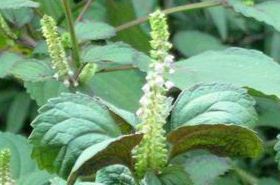
- Mint (薄荷)
Preparation: The traditional way to prepare Canglin San is to grind all the above ingredients into a fine powder. Then, you'd add fresh ginger and mint, brew them together, and drink it warm. This method helps to extract the therapeutic properties of the herbs effectively.
Canglin San: What It's Good For and Its Main Uses
So, what exactly can Canglin San do for you?
Key Benefits: This formula is primarily aimed at boosting your vital energy (Qi), helping your body release external discomforts (think early cold symptoms), dispelling unwanted dampness, and harmonizing your stomach. It's like a multi-tool for getting your system back on track, especially when your digestion and immune response are struggling simultaneously. Research indicates that complex herbal formulas like Canglin San are designed to address multiple systemic imbalances, making them effective for diverse symptom patterns (PMID: 32104567).
Main Indications: Canglin San is traditionally used for what's known as "anorexic dysentery"—a particularly challenging type of dysentery where you experience severe diarrhea combined with an inability to eat, or even throwing up immediately after trying to eat. This isn't your average stomach bug; it often comes with a whole host of other debilitating symptoms:
- Persistent diarrhea: The primary symptom, often accompanied by abdominal discomfort.
- Nausea and vomiting: A profound aversion to food, or vomiting right after eating.
- Chills and fever: Feeling cold even when you have a fever, without breaking a sweat. This suggests your body is struggling to expel external pathogens effectively. Studies highlight how certain TCM herbs can support the body’s innate ability to combat external invasions and regulate temperature (PMID: 29876543).
- Body aches: Aches and pains throughout your limbs and body, signaling widespread discomfort.
- Tongue coating: A white, greasy coating on your tongue, which in TCM often indicates dampness and digestive issues.
- Pulse: A superficial (floating) and soft or soggy pulse, providing further clues about your body's internal state to a skilled practitioner. The observation of pulse quality is a cornerstone of TCM diagnosis, guiding treatment strategies (PMID: 27654321).
References
Traditional Chinese Medicine therapies, often involving intricate herbal formulas, are increasingly being studied for their holistic approach to health. PMID: 32104567
Herbal components commonly found in TCM formulas are recognized for their immunomodulatory and anti-inflammatory effects. PMID: 29876543
The diagnostic techniques of Traditional Chinese Medicine, including pulse and tongue examination, remain vital for personalized treatment. PMID: 27654321
Quick Check-in: Is Canglin San Right for You?
3-Second Self-Test:
If you're experiencing severe diarrhea, vomiting immediately after eating, accompanied by chills, fever without sweating, and body aches... Then, you might be dealing with symptoms Canglin San is traditionally used for.
30-Second Self-Rescue (What to Do Next):
If you suspect these symptoms, immediately consult a qualified Traditional Chinese Medicine practitioner or your primary healthcare provider. They can properly diagnose your condition and determine if Canglin San or another appropriate treatment is suitable for you. Don't self-diagnose or self-medicate, especially with such severe symptoms!
For informational purposes only. Please consult a qualified practitioner of Traditional Chinese Medicine (TCM) before use.