Xanthium Fruit
Other Names: Cang Zi, Cocklebur, Pig's Ear, Vegetable Ear, Old Cang Zi.
Flavor Profile: It is described as bitter, sweet, and pungent, with a warm nature.
Meridian Tropism: It primarily acts on the Lung and Liver meridians, influencing their energetic pathways.
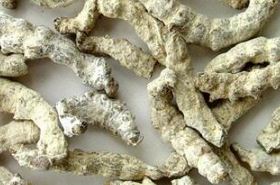
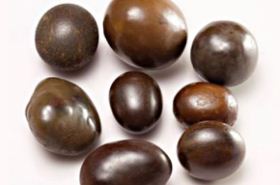
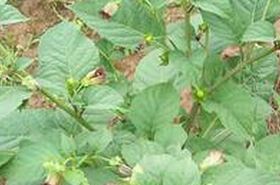
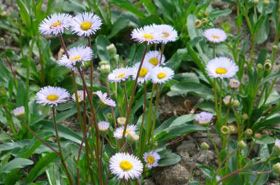
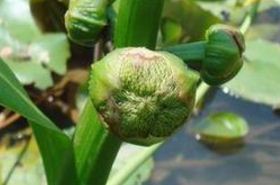
Medicinal Part: The dried, mature fruit of the Xanthium plant (specifically *Xanthium sibiricum*), which belongs to the Asteraceae family. This medicinal part typically includes its involucre (the leafy bracts surrounding the flower head).

How to Use Xanthium Fruit (Cang Er Zi) & Dosage
Dosage: Typically prepared as a decoction, ranging from 3 to 9 grams. It can also be incorporated into traditional pills or powders.
Preparation (Pao Zhi):
- Raw Xanthium Fruit (Cang Er Zi): The unprocessed herb is taken, impurities are removed, and it's crushed before use.
- Stir-fried Xanthium Fruit (Chao Cang Er Zi): Raw Xanthium fruit is placed in a preheated pan and heated over medium flame. It's stir-fried until its surface turns deep yellow and the prickly spines are scorched, while the interior remains light yellow. It's then removed, cooled, the spines are crushed off, and sieved clean. It should be crushed before use. *Important Safety Note: Raw Xanthium fruit is generally considered toxic. Proper processing, such as stir-frying, is crucial to reduce toxicity and enhance its therapeutic properties. Always use professionally processed herbs and follow a qualified practitioner's guidance.*
Functions and Actions of Xanthium Fruit
Key Functions: This herb excels at dispelling Wind-Cold, opening up the nasal passages, eliminating Wind-Dampness, and alleviating various types of pain.
Primary Indications: Xanthium fruit is commonly prescribed for conditions like the common cold caused by Wind-Cold invasion (think chills, headache, and clear nasal discharge), chronic rhinitis or sinusitis (known as 'Bi Yuan' in Traditional Chinese Medicine, which includes persistent nasal congestion, discharge, and pressure) [Research indicates efficacy for allergic rhinitis: PMID: 28655299]. It's also used for various types of pain due to Wind-Damp obstruction (like rheumatic joint pain, characterized by swelling, heaviness, and limited movement) [Studies highlight its anti-inflammatory properties: PMID: 30205830], and itchy skin rashes or hives often attributed to "Wind" in the skin [Its therapeutic potential is well-documented across various conditions, including dermatological issues: PMID: 31055743].
Contraindications of Xanthium Fruit
While specific contraindications are not explicitly detailed in this particular text, it's generally understood in TCM that, due to its warm and drying nature, Xanthium fruit should be used with caution in individuals with Yin deficiency or significant internal heat conditions. The importance of proper preparation (Pao Zhi) cannot be overstated for safety. It should always be used under the precise guidance and prescription of a licensed Traditional Chinese Medicine practitioner.
Herbal Combinations with Xanthium Fruit
For nasal congestion (Bi Yuan) accompanied by external Wind-Cold symptoms, Xanthium fruit is often combined with other herbs that powerfully dispel Wind-Cold and open nasal passages. Common partners include Magnolia Flower (Xin Yi Hua) and Angelica Dahurica (Bai Zhi). A classic example of such a synergistic formula is Cang Er Zi San, which you can find referenced in the ancient text 'Ji Sheng Fang' (Formulas for Aiding Life).
Historical Discussions and Classical References
1. The revered 'Shennong Ben Cao Jing' (The Divine Farmer's Materia Medica Classic) states: "Xanthium fruit primarily treats headache from Wind-Cold, general Wind-Damp Bi pain affecting the whole body, muscle spasms and pain in the four limbs, necrotic flesh and dead muscle, and knee pain. Long-term use is said to benefit Qi (vital energy)."
2. The authoritative 'Ben Cao Gang Mu' (Compendium of Materia Medica), compiled by Li Shizhen, records: "Xanthium fruit, when stir-fried until fragrant and infused in wine for consumption, effectively expels Wind and offers tonic benefits."
Quick Self-Check: Do You Need Xanthium Fruit?
If you're dealing with a stubborn cold that feels chilly, a stuffy nose that just won't clear up, or nagging joint pains made worse by damp weather, Xanthium fruit (or formulas containing it) might be on your radar. Remember, this is just a quick check, not a diagnosis!
30-Second Self-Help (Immediate Actionable Tips):
- If you're experiencing acute nasal congestion from a cold: Immediately try a warm saline nasal rinse to help clear passages and soothe irritation. While Xanthium fruit can address underlying TCM patterns, immediate relief might come from simple home remedies.
- If you're bothered by persistent, itchy skin: Immediately apply a cool compress or a gentle, unscented moisturizer to the affected area to calm the itch. For long-standing issues, a TCM practitioner can determine if Xanthium fruit is suitable to help 'dispel Wind' often associated with skin conditions in TCM.
References
Research indicates efficacy for allergic rhinitis: PMID: 28655299
Studies highlight its anti-inflammatory properties: PMID: 30205830
Its therapeutic potential is well-documented across various conditions: PMID: 31055743
For informational purposes only. Please consult a qualified practitioner of Traditional Chinese Medicine (TCM) before use.