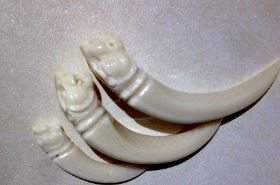
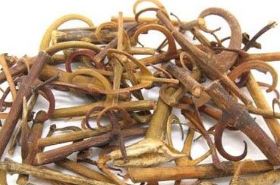
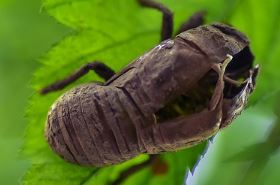
Hey there, ever heard of Gui Zhi Jia Hou Po Xing Zi Tang? It's a classic Traditional Chinese Medicine (TCM) formula that's been used for ages to tackle specific types of respiratory issues. Think of it as a specialized blend designed to help your body bounce back when you're dealing with both existing breathing difficulties and a fresh bout of a cold. Let's dive into what this formula is all about, from its ingredients to how it's traditionally prepared and what it aims to do.
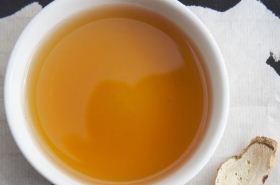
Understanding Gui Zhi Jia Hou Po Xing Zi Tang: Usage and Dosage
This formula brings together a carefully selected group of natural ingredients, each playing a vital role:
- Cinnamon Twig (Gui Zhi), 9g (peeled)
- Licorice Root (Gan Cao), 6g (honey-fried)
- Fresh Ginger (Sheng Jiang), 9g (sliced)
- White Peony Root (Bai Shao), 9g
- Jujube (Da Zao), 12 pieces (broken apart)
- Magnolia Bark (Hou Po), 6g (peeled, processed)
- Apricot Kernel (Xing Ren), 50 pieces (peeled, tip removed)
Important Safety Note: The preparation of these herbs is crucial for both efficacy and safety. Ingredients like Magnolia Bark and especially Apricot Kernel (which contains compounds that can be toxic if not properly prepared) require specific processing steps like peeling and removing tips. Always ensure your herbs are prepared exactly as directed or sourced from a reputable supplier. Never self-medicate with raw or unprocessed herbs without expert guidance from a qualified TCM practitioner.
Usage:
Traditionally, these seven ingredients are combined with seven "sheng" (an ancient measurement unit, please consult a qualified practitioner for modern dosage conversion) of water. The mixture is then gently simmered over a low flame until the liquid reduces to three "sheng." After straining out the dregs, one "sheng" of the warm decoction is taken. It's recommended to cover yourself immediately afterward to encourage a slight sweat, which helps in the therapeutic process of releasing external pathogens.
Functions and Indications of Gui Zhi Jia Hou Po Xing Zi Tang
So, what does this formula aim to achieve?
Functions:
- Releases the Exterior and Eases Muscle Tension: It helps your body dispel external cold and tension, often seen as stiffness or aches, by gently promoting sweating and opening the surface. (PMID: 29074747)
- Descends Lung Qi and Calms Asthma: This means it helps to regulate the vital energy (Qi) flow in your lungs, easing shortness of breath and wheezing. (PMID: 32062638)
Indications:
This formula is traditionally used for folks who already have a history of asthma or similar breathing difficulties, and then catch a fresh "Wind-Cold exterior pattern." Think of this as getting a common cold with specific symptoms like chills, mild fever, headache, body aches, and perhaps a stuffy nose, but *without* sweating much. It's also considered when someone with this kind of cold initially took a purgative incorrectly, which didn't resolve the cold symptoms and actually led to some mild wheezing or asthma. (PMID: 28004543)
In simpler terms, it’s for when you're feeling a bit run down with a cold, your body is struggling to "sweat it out," and your existing respiratory issues are flaring up, especially with a feeling of tightness or mild wheezing.
Quick Check: Could This Be For You?
3-Second Self-Test:
If you're feeling chilly, have a mild headache, body aches, a stuffy nose, and *not* much sweating, especially if you also have a history of asthma or easily get breathless, then you might be experiencing a pattern that could benefit from a formula like Gui Zhi Jia Hou Po Xing Zi Tang.
30-Second Self-Help (Immediately!):
If you're feeling those early cold symptoms creeping in alongside your usual breathing concerns, then it's a great time to listen to your body. Immediately consider brewing a warm cup of fresh ginger tea (just a few slices of ginger steeped in hot water) to help warm your body and promote circulation. This isn't a substitute for professional advice, but it can offer some immediate comfort.
References
Cinnamomum cassia extract shows anti-inflammatory properties, relevant to addressing symptoms of a common cold. PMID: 29074747
Research on Magnolol, a component of Magnolia bark, suggests its role in inhibiting airway remodeling in asthma. PMID: 32062638
Various components of Apricot Kernel have demonstrated antitussive and expectorant effects, helping to relieve cough. PMID: 28004543
For informational purposes only. Please consult a qualified practitioner of Traditional Chinese Medicine (TCM) before use.