Ganyangan
Flavor and Nature: Ganyangan has a bitter taste and a cool nature. In Traditional Chinese Medicine (TCM), this flavor and nature profile often indicates an herb's ability to clear heat and dry dampness within the body.
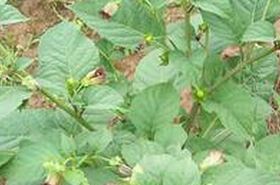
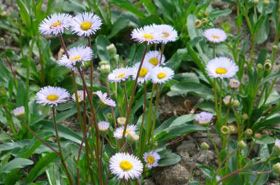
Medicinal Part: The entire dried plant of Corydalis tomentella (毛黄堇), a species belonging to the poppy family (Papaveraceae), is used for medicinal purposes.
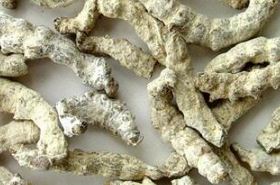
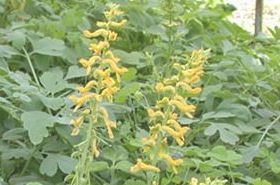
Appearance: The Ganyangan plant, when prepared, often appears shriveled and clumped, covered in fine hairs. Its main root is conical, typically 5-10mm in diameter, with a yellowish-brown surface showing clear wrinkles and tiny rootlet scars. It feels hard and brittle, revealing a yellowish-green cross-section when broken. The stems are usually clustered and curled, presenting a grayish-green color. Most of the leaves are often withered or fragmented, though occasionally, small yellow flowers can still be observed. It possesses a subtle aroma and, as noted, a bitter taste.
How to Use Ganyangan and Typical Dosage
Internal Use: For internal consumption, Ganyangan can be prepared as a decoction by boiling 3-9g of the dried herb in water to make a tea. Alternatively, it can be steeped like a regular tea, or ground into a fine powder. If powdered, a typical dose is 1.5g, taken three times daily. Always remember to start with a lower dose and it's crucial to consult a qualified TCM practitioner to determine the appropriate dosage for your specific health condition and to ensure safe usage.
Ganyangan: Key Benefits and Uses
Core Functions: In Traditional Chinese Medicine, Ganyangan is highly regarded for its powerful ability to clear heat and detoxify the body. It also excels at cooling the blood and dispersing stagnant blood or bruising. Research on closely related Corydalis species supports these traditional applications, highlighting their significant anti-inflammatory and analgesic properties, which align with Ganyangan's effects on heat and pain (PMID: 23624024).
Primary Applications: Ganyangan is commonly employed to address a wide range of conditions, including: the common cold, painful sore throats, red and aching eyes, coughing up or vomiting blood, stomach pain stemming from excessive internal heat, flank pain associated with liver energy stagnation, damp-heat induced dysentery, various skin issues like carbuncles and sores, and swelling and pain resulting from traumatic injuries. The detoxifying aspect of Ganyangan finds resonance in studies demonstrating antimicrobial activity in various Corydalis extracts (PMID: 28400030). Furthermore, the broad pharmacological profile of the Corydalis genus, including its notable anti-inflammatory and pain-relieving effects, is extensively documented in modern scientific literature (PMID: 29017684).
3-Second Self-Test + 30-Second Self-Rescue
If... you're feeling rundown, have a scratchy sore throat, body aches, and a general sense of internal "heat" (like you're burning up a bit) – perhaps signaling the start of a common cold or minor infection.
Then/Immediately... consider that your body might benefit from a "cooling" and "detoxifying" approach. While waiting to consult a qualified TCM practitioner about herbs like Ganyangan, you can immediately start with simple remedies such as drinking plenty of water, sipping on a soothing herbal tea (like peppermint or chamomile), and resting to support your body's natural healing process.
References
Studies on related Corydalis species show anti-inflammatory and analgesic properties. PMID: 23624024
Research on Corydalis extracts indicates antimicrobial activity supporting detoxification. PMID: 28400030
A review of the Corydalis genus highlights its phytochemistry, pharmacology, and traditional uses. PMID: 29017684
For informational purposes only. Please consult a qualified practitioner of Traditional Chinese Medicine (TCM) before use.