Shaoyao Tang: A Traditional Remedy for Damp-Heat Dysentery
Ever wondered about ancient remedies for common digestive issues? Shaoyao Tang, often referred to as Paeonia Decoction, is a renowned Traditional Chinese Medicine (TCM) formula. It's elegantly captured in this traditional verse:
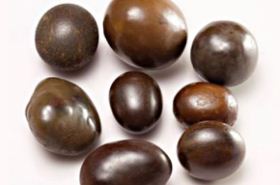
Shaoyao Tang includes Areca Nut and Rhubarb,
Scutellaria, Coptis, Angelica, Cinnamon, Licorice, and Costus.
Its focus is on regulating vital energy and moving blood,
Bringing relief from tenesmus and bloody-pus stools.
Understanding Shaoyao Tang's Rationale
This condition, characterized by dysentery, typically arises from damp-heat accumulating and stagnating within the intestines, leading to an imbalance in the body's vital energy (Qi) and blood circulation. The primary treatment approach involves clearing heat, drying dampness, promoting Qi circulation, and harmonizing blood. When damp-heat descends into the large intestine, it can congeal vital energy and blood, leading to the formation of pus and blood, which manifests as dysentery with mixed red and white discharge. Stagnation of Qi movement in the intestines commonly causes abdominal pain and tenesmus—that urgent, straining sensation during bowel movements. Other tell-tale signs like a burning sensation in the anus, scanty dark-red urine, a yellow greasy tongue coating, and a wiry and rapid pulse all strongly indicate internal damp-heat accumulation.

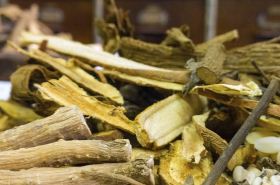
In this powerful formula, **Huang Qin (Scutellaria Root)** and **Huang Lian (Coptis Root)**, both bitter and cold in nature, primarily target the large intestine. They excel at clearing heat, drying dampness, and resolving toxicity, effectively tackling the root cause of the illness and thus serving as the "Chief" herbs. A generous amount of **Shao Yao (Paeonia Root)** is incorporated to nourish blood, harmonize the nutritive Qi (Ying), alleviate spasms, and relieve pain. Paired with **Dang Gui (Angelica Sinensis Root)**, which nourishes and activates blood, this combination beautifully illustrates the TCM principle that "when blood circulates freely, the pus and blood in the stool will heal spontaneously." This also helps mitigate the risk of damp-heat toxins scorching the intestinal collaterals and depleting Yin and Blood. **Mu Xiang (Costus Root)** and **Bing Lang (Areca Nut)** work to promote Qi circulation and guide away stagnation, aligning with the saying, "when Qi is regulated, tenesmus will naturally subside." These four herbs, working in concert, regulate and harmonize vital energy and blood, making them the "Deputy" herbs. **Da Huang (Rhubarb Root)**, with its bitter, cold, and descending properties, becomes a potent ally in clearing heat and drying dampness when combined with Huang Qin and Huang Lian. When paired with Dang Gui and Shao Yao, its ability to activate blood and promote Qi circulation is further amplified. Its purgative action helps to clear accumulated damp-heat and stagnation, allowing it to exit the body through bowel movements—a classic example of the "treating obstruction by promoting evacuation" (or "Tong Yin Tong Yong") approach, where purging helps resolve a blockage that leads to diarrhea. A small quantity of **Rou Gui (Cinnamon Bark)**, with its pungent, hot, and warming nature, not only assists Dang Gui and Shao Yao in promoting blood circulation and harmonizing nutritive Qi but also helps prevent potential nausea or rejection of the medicine, acting as both an "Assistant" and a "Counter-Assistant" herb. Finally, **Zhi Gan Cao (Honey-fried Licorice Root)** harmonizes the middle burner and balances the actions of the other herbs. When combined with Shao Yao, it also helps relieve spasms and pain, functioning as an "Assistant" and "Envoy" herb. Together, all these herbs work synergistically to clear dampness, remove heat, and harmonize vital energy and blood, leading to the resolution of dysentery.
Interestingly, scientific studies suggest that Shaoyao Tang can effectively modulate intestinal flora and suppress inflammation, which is crucial in managing conditions like ulcerative colitis, often exhibiting similar symptoms to damp-heat dysentery (PMID: 32623351). Furthermore, its components have been shown to improve intestinal epithelial barrier function, offering a protective effect on gut health (PMID: 29775399). The broader efficacy of Shaoyao Tang in treating inflammatory bowel diseases further supports its therapeutic potential for similar intestinal inflammatory conditions (PMID: 32694709).
Shaoyao Tang: Dosage and Administration
Ingredients:
- Shao Yao (Paeonia Root) 30g
- Dang Gui (Angelica Sinensis Root) 15g
- Huang Lian (Coptis Root) 15g
- Huang Qin (Scutellaria Root) 15g
- Bing Lang (Areca Nut) 6g
- Mu Xiang (Costus Root) 6g
- Zhi Gan Cao (Honey-fried Licorice Root) 6g
- Da Huang (Rhubarb Root) 9g
- Rou Gui (Cinnamon Bark) 5g
Preparation:
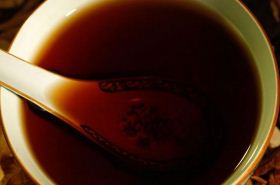
Typically, these herbs are decocted in water. Use two cups of water and simmer until only one cup remains. Drink the warm decoction after meals.
Modifications:
- If you have a yellow and dry tongue coating with severe heat causing fluid depletion, it's advisable to remove Rou Gui and add Wu Mei (Mume Fructus) to lean towards a cooling effect.
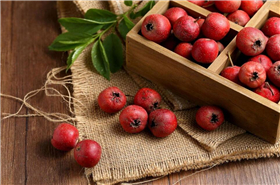
- If your tongue coating is greasy and pulse slippery, along with signs of food stagnation, consider adding Shan Zha (Hawthorn Fruit) and Shen Qu (Medicated Leaven) to aid digestion and guide stagnation.
- For severe heat toxin, incorporating Bai Tou Weng (Pulsatilla Root) and Yin Hua (Honeysuckle Flower) can significantly boost detoxification.
- If dysentery presents with more red than white discharge, or purely bloody stools, Dan Pi (Moutan Bark) and Di Yu (Sanguisorba Root) can be added to cool blood and stop bleeding.
Shaoyao Tang: Actions and Indications
Actions: Clears heat and dries dampness, regulates vital energy and harmonizes blood.
Indications: Primarily treats Damp-Heat Dysentery, characterized by:
- Abdominal pain
- Pus and bloody stools (often mixed red and white discharge)
- Tenesmus (urgent desire to defecate with straining)
- Burning sensation in the anus
- Scanty, dark-red urine
- Yellow greasy tongue coating
- Wiry and rapid pulse
Clinical Application: This formula is specifically designed for damp-heat dysentery. In clinical practice, the key diagnostic indicators for its use include abdominal pain, stools with pus and blood (mixed red and white discharge), tenesmus, a yellow greasy tongue coating, and a wiry and rapid pulse.
Shaoyao Tang: Important Contraindications
This formula is generally not recommended if your dysentery is in its initial stages and accompanied by external symptoms (such as fever, chills, headache, or body aches indicating an external pathogen). Always consult a qualified practitioner to determine suitability for your specific condition.
Shaoyao Tang: Historical Insights
TCM classics offer profound insights into this formula's foundational principles:
① Zhang Bingcheng, from his *Cheng Fang Bian Du*, Volume 1, observed: "Dysentery, though having divisions of cold and heat, is more frequently hot than cold. It invariably stems from pathogenic stagnation and accumulation, leading to obstructed Qi in the intestines and stomach, resulting in the formation of pus and sticky blood. Despite variations in red/white discharge and cold/heat distinctions, the initial treatment principle often involves 'clearing obstruction by promoting evacuation.' Liu Hejian wisely stated: 'When blood circulates freely, the pus in the stool will heal spontaneously; when Qi is regulated, tenesmus will naturally subside.' These two phrases serve as the guiding principles for treating dysentery. This formula employs Da Huang to purge pathogenic stagnation, Mu Xiang and Bing Lang to regulate Qi, and Dang Gui and Rou Gui to activate blood. Since the illness primarily arises from damp-heat, Huang Qin and Huang Lian are used for their bitter and cold properties to dry dampness and clear heat. Shao Yao and Gan Cao are included to relieve spasms and harmonize the Spleen."
② The *Su Wen Bing Ji Qi Yi Bao Ming Ji*, Volume Zhong, states: "For bloody stools, regulate Qi. The Classic says: 'When there is bloody pus in the stool, Qi movement stops blood. When blood circulates freely, the pus in the stool will heal spontaneously; when Qi is regulated, tenesmus will naturally subside.'"
Quick Self-Check & Immediate Steps:
If you're experiencing severe abdominal pain, frequent loose stools with pus or blood, and that uncomfortable urgent straining (tenesmus)...
Then/Immediately focus on staying hydrated, avoid consuming spicy or greasy foods, and seek advice from a qualified Traditional Chinese Medicine practitioner or your primary healthcare provider. They can properly diagnose your specific condition and recommend the best course of action.
For informational purposes only. Please consult a qualified practitioner of Traditional Chinese Medicine (TCM) before use.
References
Supports Shaoyao Tang's immunomodulatory and gut flora-regulating effects in intestinal inflammation. PMID: 32623351
Provides evidence for Shaoyao Tang's role in improving intestinal epithelial barrier function. PMID: 29775399
Discusses the efficacy of Shaoyao Tang in treating inflammatory bowel diseases, highlighting its therapeutic potential. PMID: 32694709