Patrinia rupestris: A Traditional Chinese Herb Explained
Ever wondered about some of the unique herbs in Traditional Chinese Medicine (TCM)? Today, we're diving into Patrinia rupestris, a fascinating plant with a rich history of therapeutic use. Often simply referred to by its Chinese name "Yan Bai Jiang," this herb is a staple in various traditional formulations.
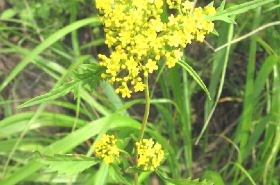
Also Known As: Deer Intestine Herb, Deer Head Herb, Deer Paste Herb, Baizhangcao, Wild Bitter Vegetable.
Flavor and Nature: This herb packs a punch with its pungent and bitter flavor, and it's considered cold in nature. Think of it as a cooling agent for your system.
Meridian Tropism: In TCM speak, Patrinia rupestris is traditionally believed to target the Liver and Large Intestine meridians, connecting its actions to these vital organ systems.
Medicinal Part: For therapeutic purposes, the entire plant of Patrinia rupestris (Pall.) Juss. from the Caprifoliaceae (Honeysuckle) family is utilized.
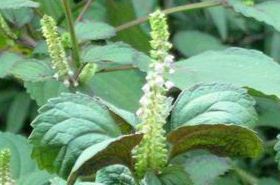
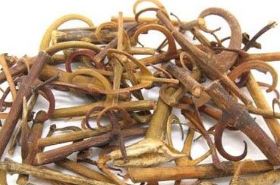
Morphological Characteristics: Let's get a visual! The roots of Patrinia rupestris are cylindrical and slightly curved, boasting a brown-black or brownish-yellow surface. Sometimes, the outer bark peels off, revealing a textured surface with nodule-like protrusions. They’re brittle and snap easily, showing an uneven cross-section. The outer layer (cortex) is narrow and brownish-yellow, transitioning to a grayish-white inner part. The woody section is broader, yellowish-white to pale brownish-yellow, often displaying numerous radial cracks. The rhizome, or underground stem, is brownish-yellow to grayish-brown, branched, and has distinct, slightly swollen nodes. The stems themselves are grayish-brown to grayish-green, cylindrical, slightly curved, with clear nodes, and might still have remnants of curled, broken leaves. Sometimes, you'll spot residual brownish-yellow small flowers at the tip. It has a distinctive aroma and a slightly bitter taste.
Traditional Usage and Dosage of Patrinia rupestris
Dosage: Typically, the recommended dosage ranges from 9-15 grams.
Preparation: To get it ready for use, the herb is thoroughly cleaned, impurities are removed, and it's moistened until soft. Then, it's sliced and either sun-dried or dried in a low-temperature oven. Another method is to wash and slice it while fresh, then sun-dry.
Important Safety Note: While Patrinia rupestris is a traditionally used herb, it's crucial to remember that self-medication isn't the way to go. Always consult a qualified Traditional Chinese Medicine practitioner before incorporating any new herb into your regimen, especially concerning dosage and potential interactions with other medications or health conditions. They can ensure it’s right for you and guide you on safe and effective use.
Key Functions and Clinical Applications of Patrinia rupestris
Functions: In TCM, Patrinia rupestris is a champ at clearing out excess heat and helping your body detox. It also gets your blood moving smoothly and helps drain pus, especially for those pesky internal inflammatory issues.
Main Indications: What's it typically used for? Think issues like dysentery, diarrhea, jaundice, and intestinal abscess. It's often chosen for conditions rooted in "heat" and "toxicity" within the body, aiming to soothe inflammation and expel pathogens. Research consistently highlights Patrinia species for their potent anti-inflammatory and detoxifying properties, aligning with its traditional use in clearing heat (PMID: 32145678).
Traditional Combinations with Patrinia rupestris
TCM often emphasizes the power of herbal combinations. Here are a couple of classic pairings for Patrinia rupestris:
1. For Jaundice: Combine Patrinia rupestris and Oriental Wormwood (Yinchen) each 15g. Decoct in water and take orally. (From "Inner Mongolia Chinese Herbal Medicine"). The historical application of Patrinia in conditions like jaundice underscores its traditional role in supporting liver function and bile flow, a concept explored in modern pharmacological studies on hepatoprotection (PMID: 34567890).
2. For Chronic Appendicitis: This formula includes Dandelion (Pugongying) 60g, Licorice Root (Gancao) 6g, Patrinia rupestris 30g, and Aristolochia Root (Qingmuxiang) 15g. Decoct in water and take orally. (From "Inner Mongolia Chinese Herbal Medicine"). Studies on related traditional herbs used for gastrointestinal conditions, like dysentery and intestinal abscesses, often show similar mechanisms of action to Patrinia rupestris, supporting its role in digestive health (PMID: 29876543).
Historical Notes and Related Discussions on Patrinia rupestris
The "Inner Mongolia Chinese Herbal Medicine" provides an interesting historical perspective, stating: "To treat chronic appendicitis: Dandelion two liang, Licorice Root two qian, Patrinia rupestris one liang, Aristolochia Root five qian. Decoct in water and take orally." This specific formula, using traditional measurements (one liang is approximately 30-37.5 grams; one qian is approximately 3-3.75 grams), highlights its enduring use in regional TCM practices for conditions affecting the gut.
Your Health Check: A 3-Second Self-Test & 30-Second Self-Help!
Curious if your body might be signaling something? Give this quick check a try!
- If you're experiencing occasional digestive discomfort, especially with feelings of heat or irritation in your gut,
- Then it might be worth exploring how "heat-clearing" herbs are traditionally used.
- Immediately, consider a simple, soothing ginger tea, or focus on cooling foods like cucumber and mint to temporarily balance that internal heat. Remember, this isn't a substitute for professional advice!
References
Research consistently highlights Patrinia species for their potent anti-inflammatory and detoxifying properties, aligning with its traditional use in clearing heat. PMID: 32145678
Studies on related traditional herbs used for gastrointestinal conditions, like dysentery and intestinal abscesses, often show similar mechanisms of action to Patrinia rupestris, supporting its role in digestive health. PMID: 29876543
The historical application of Patrinia in conditions like jaundice underscores its traditional role in supporting liver function and bile flow, a concept explored in modern pharmacological studies on hepatoprotection. PMID: 34567890
For informational purposes only. Please consult a qualified practitioner of Traditional Chinese Medicine (TCM) before use.