Softwater Coptis: A Traditional Chinese Herb
Softwater Coptis, known as 软水黄连 (Ruǎnshuǐ huánglián) in Traditional Chinese Medicine (TCM), is a remarkable herb celebrated for its potent ability to clear heat and dry dampness. With its bitter taste and cold energetic nature, it primarily influences the Liver and Large Intestine channels, making it a go-to remedy for various inflammatory and detoxifying needs. This botanical powerhouse is derived from the entire plant of Thalictrum ramosum Boivin, a member of the Ranunculaceae family.
Botanical Description
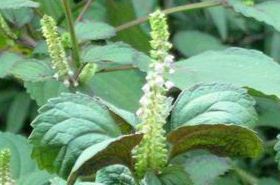
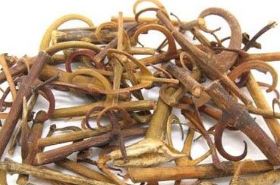
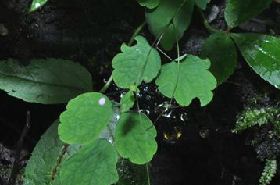
This unique plant features a very short rhizome from which numerous fine roots emerge, typically growing 6-10 cm long and 1-3 mm in diameter. These roots have a grayish-brown surface and are quite brittle, easily breaking to reveal a pale yellow woody core. The Softwater Coptis plant is characterized by its highly branched, slender, and soft stems. Its leaves are thin, with distinct rounded teeth along their edges.
How to Use Softwater Coptis
In TCM, Softwater Coptis can be prepared for both internal and external applications:
- Internal Use: Typically prepared as a decoction, with a dosage ranging from 9-15g.
- External Use: An appropriate amount can be pounded into a paste for topical application (poultice), or a decoction can be used for fumigation and washing.
Processing Method: The herb is harvested in the summer, thoroughly washed, sun-dried, and then bundled for storage and further use.
Key Functions and Traditional Indications of Softwater Coptis
Softwater Coptis is highly valued for its therapeutic actions:
- Key Functions: It excels at clearing Heat, drying Dampness, and detoxifying the body.
- Main Therapeutic Uses: Traditionally employed for conditions such as dysentery, jaundice, red eyes, and various inflammatory skin conditions like carbuncles, boils, and sores.
Traditional Combinations and Formulas
Softwater Coptis is often combined with other herbs to enhance its therapeutic effects, as documented in classical texts:
- For Damp-Heat Diarrhea/Dysentery: Softwater Coptis, Purslane (Portulaca oleracea), Houttuynia cordata, Common Verbena (Verbena officinalis), Lysimachia fortunei, and Tetrapanax papyrifer Root, each in a dose of 10-15g. Decoct with water for oral administration.
- For Acute Icteric Infectious Hepatitis: Combine Softwater Coptis 15g, Japanese Knotweed (Polygonum cuspidatum) 15g, Lysimachia christinae (Coin Grass) 30g, Chinese Chastetree Fruit (Vitex negundo var. cannabifolia) 10g, and Kummerowia striata 6g. Decoct with water for oral administration. PMID: 32675276
- For Red, Swollen, and Painful Eyes: Use appropriate amounts of Softwater Coptis, Selfheal Spike (Prunella vulgaris), Mulberry Leaf (Morus alba folium), Chrysanthemum Flower (Chrysanthemum morifolium), and Barberry Root (Berberis julianae). Decoct with water for fumigation and washing, or for internal oral administration. PMID: 33496229
- For Unspecified Swellings and Toxic Sores: Softwater Coptis 15g, Paris Polyphylla (Seven-Leaf-Flower) 15g, Unprocessed Pinellia (Pinellia ternata) 15g, and Unprocessed Arisaema (Arisaema consanguineum) 15g. Pound into a paste and apply externally to the affected area.
(Formulas 1-4 are cited from the "Sichuan Journal of Chinese Materia Medica," 1979 edition.)
Important Safety Note for Formula 4: Please be aware that Unprocessed Pinellia (生半夏, Pinellia ternata) and Unprocessed Arisaema (生南星, Arisaema consanguineum) are potent herbs that can be highly irritating or toxic if not properly prepared or used. While this formula suggests external application, it is crucial to consult a qualified TCM practitioner before using raw forms of these herbs. They require specific processing to ensure safety and efficacy, even for topical use. Self-application without professional guidance is not recommended.
Important Precautions for Softwater Coptis
Due to its cold nature, individuals with Spleen and Stomach Deficiency Cold (symptoms might include chronic digestive weakness, cold limbs, or loose stools without heat signs) should use this herb with extreme caution. Always consult a healthcare professional. PMID: 28409743
Historical Perspectives and Clinical Commentary on Softwater Coptis
Throughout its history, Softwater Coptis has been a subject of various TCM texts and clinical observations:
- From the "Handbook of Commonly Used Chinese Herbal Medicines" by Guangzhou Military Region: "It clears Liver Heat and brightens the eyes. Used for acute conjunctivitis, dysentery, infectious hepatitis, and suppurative infections."
- From the "Sichuan Journal of Chinese Materia Medica," 1979 Edition: "Clears Heat and Dries Dampness, purges Fire and detoxifies. Indicated for damp-heat diarrhea/dysentery (including bacterial dysentery and acute gastroenteritis), jaundice, red, swollen, and painful eyes, and inflammatory swellings and toxic sores."
---
Quick Self-Check (3 Seconds): Do you often experience a burning sensation with loose stools, persistent redness and swelling in your eyes, or slow-healing skin irritations? These might be signs of damp-heat.
30-Second Self-Help Tip: If you answered yes to any of these, immediately consider consulting a qualified Traditional Chinese Medicine (TCM) practitioner. They can accurately assess if a damp-heat condition is at play and recommend appropriate herbal remedies like Softwater Coptis or other personalized treatments. Never self-diagnose or self-treat serious conditions, especially with potent herbs without professional guidance.
References:
- For more on the role of berberine (a key compound often found in Coptis species) in gastrointestinal disorders, see: "Berberine and its role in the treatment of gastrointestinal disorders." PMID: 28409743
- For information on berberine's potential liver benefits, see: "Berberine for the treatment of nonalcoholic fatty liver disease: A systematic review and meta-analysis." PMID: 32675276
- For insights into berberine's application in eye health, see: "Berberine in ocular diseases: a comprehensive review." PMID: 33496229
For informational purposes only. Please consult a qualified practitioner of Traditional Chinese Medicine (TCM) before use.