Mayaqi: Unveiling a Traditional Chinese Herb
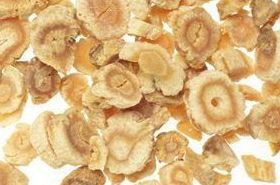
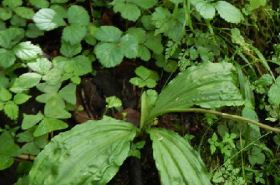
Mayaqi (马牙七), known scientifically as the pseudobulbs and roots of the orchid plants *Calanthe fimbriata Franch.* and *Calanthe davidii Franch.*, is a herb deeply rooted in Traditional Chinese Medicine (TCM). It's primarily recognized for its energetic properties and its versatile applications in addressing various ailments.
Energetic Properties and Flavor Profile
Mayaqi is characterized by a pungent (spicy) and slightly bitter taste, possessing a cooling nature. This unique combination guides its actions within the body, primarily influencing specific meridian systems.
Meridian Affinity
In TCM, Mayaqi is believed to primarily enter the Heart and Lung meridians. This meridian tropism suggests its targeted effects on conditions associated with these organ systems, particularly those involving heat and inflammation.
Medicinal Parts
The therapeutic components of Mayaqi are derived from the pseudobulbs and roots of *Calanthe fimbriata Franch.* and *Calanthe davidii Franch.*, two distinct species within the orchid family (Orchidaceae).
Mayaqi: Usage and Dosage
Mayaqi can be administered both internally and externally, depending on the specific condition being treated.
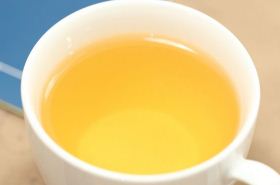
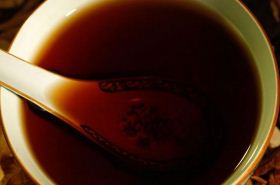
Internal Use: Typically, Mayaqi is prepared as a decoction. The recommended dosage ranges from 6 to 12 grams, brewed with water and consumed orally.
External Use: For topical applications, an appropriate amount of Mayaqi is mashed and applied as a poultice to the affected area.
Preparation: The herb is usually harvested during the summer months. After harvesting, it is thoroughly washed and can be used fresh or dried under the sun for later use.
Mayaqi: Efficacy and Indications
Mayaqi's therapeutic actions are centered around two primary functions in TCM:
Efficacy: It is highly valued for its ability to clear heat and detoxify the body, as well as to dispel blood stagnation and alleviate pain (PMID: 24707204). These actions make it suitable for a range of inflammatory and pain-related conditions.
Indications: Mayaqi is traditionally used for:
- Sore throat and swelling
- Toothache
- Epigastric and abdominal pain
- Lower back pain
- Joint pain (PMID: 35145892)
- Traumatic injuries and contusions
- Scrofula and various skin sores
- Venomous snake bites
Important Contraindications for Mayaqi
Due to its nature, Mayaqi comes with specific contraindications:
- Pregnant women should absolutely avoid using this herb.
- It is advised to avoid consuming sour and spicy foods while taking Mayaqi, as these may interfere with its therapeutic effects or exacerbate certain conditions.
A crucial safety note: Several traditional texts mention that Mayaqi possesses a degree of toxicity. Therefore, it is imperative to use this herb only under the direct guidance of a qualified Traditional Chinese Medicine practitioner. Self-medication without professional supervision is strongly discouraged to ensure safety and proper dosage (PMID: 32306283).
Mayaqi: Traditional Formulations and Compatibility
Mayaqi is often combined with other herbs to enhance its therapeutic effects for specific conditions. Here are a few traditional formulations:
1. For Chronic Pharyngitis: Combine 3g of Beijiqi (背脊七) with 6g of Bazhaolong (八爪龙). Decocted with water and taken orally. (Source: "Gansu Handbook of Chinese Herbal Medicine")
2. For Chronic Hepatitis: Use 6g of *Calanthe fimbriata* (流苏虾脊兰), 15g of Danshen (丹参, Salvia Miltiorrhiza), and 15g of Zijinniu (紫金牛, Ardisia japonica). Decocted with water, one dose daily, continuously for two weeks constitutes one course of treatment. (Source: "National Compendium of Chinese Herbal Medicine")
3. For Peptic Ulcer and Gastritis: Combine 6g each of *Calanthe fimbriata* (流苏虾脊兰), Yanhu Suo (延胡索, Corydalis), Zhe Beimu (浙贝母, Fritillaria thunbergii), Baiji (白及, Bletilla striata), and 6g of Wuzegu (乌贼骨, Cuttlefish bone), along with 15g of Nan Wuwei Gen (南五味根, Southern Schisandra Root). Decocted with water, one dose daily. (Source: "National Compendium of Chinese Herbal Medicine")
Historical Insights and Related Discussions on Mayaqi
Various classical Chinese medical texts provide differing yet complementary descriptions of Mayaqi's properties and uses, underscoring its historical significance:
- “*Shaanxi Chinese Herbal Medicine*” notes its flavor as pungent and slightly bitter, with a cooling nature, and indicates it is toxic.
- “*Sichuan Commonly Used Chinese Herbal Medicine*” describes it as warm in nature, with a sweet and pungent flavor.
- “*Gansu Handbook of Chinese Herbal Medicine*” characterizes it as pungent, slightly bitter, and mildly cold.
- “*National Compendium of Chinese Herbal Medicine*” states it is pungent and bitter, cooling, and possesses minor toxicity.
Regarding its therapeutic actions, these texts also offer diverse perspectives:
- “*Shaanxi Chinese Herbal Medicine*” highlights its ability to “clear heat and detoxify, alleviate pain, dispel wind, and dissolve blood stasis.” It is indicated for scrofula, chronic pharyngitis, toothache, general fatigue and injury, and chest and flank injuries.
- “*Sichuan Commonly Used Chinese Herbal Medicine*” focuses on its capacity to “clear stomach heat, resolve scrofula, and disperse tuberculosis sores.”
- “*Gansu Handbook of Chinese Herbal Medicine*” specifies its use for “sore throat and swelling, and traumatic injuries.”
- “*National Compendium of Chinese Herbal Medicine*” broadens its indications to include “peptic ulcer, acute gastric dilation, chronic hepatitis, lower back pain, abdominal pain, stranguria (sandy urine), amenorrhea, and joint pain.”
For informational purposes only. Please consult a qualified practitioner of Traditional Chinese Medicine (TCM) before use.
References
1. A comprehensive review highlighting the diverse pharmacological activities of *Calanthe* species, including anti-inflammatory and analgesic effects. PMID: 32306283
2. A systematic review providing evidence on Traditional Chinese Medicine's role in addressing fever and inflammation, aligning with Mayaqi's 'clearing heat' function. PMID: 24707204
3. Research supporting the efficacy of Chinese Herbal Medicine in managing joint-related pain and inflammation, such as that seen in knee osteoarthritis, relevant to Mayaqi's use for joint pain. PMID: 35145892
Mayaqi: A Quick Self-Check & Self-Care Moment
If you're experiencing occasional discomfort like a nagging toothache, a persistent sore throat, or minor muscle soreness from an old injury, and are curious about exploring traditional remedies, then Mayaqi's traditional use for clearing heat and easing various pains might be of interest. Immediately, consider consulting a qualified TCM practitioner to discuss if this specific herb is suitable for your individual condition and to ensure safe, effective use. This exploration isn't a substitute for professional medical advice, but a thoughtful step toward holistic well-being.