One Cloud Leaf
Ever heard of One Cloud Leaf? In Traditional Chinese Medicine (TCM), it's more formally known as the leaf of Pittosporum glabratum, a plant from the Pittosporaceae family. This fascinating herb comes with a unique set of properties that make it a go-to for several common ailments.
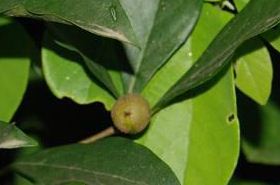
Taste and Energetic Nature: This herb offers a complex flavor profile – sweet, bitter, and pungent, with a slightly warm energetic nature. These characteristics often hint at its balancing and dispersing actions within the body.
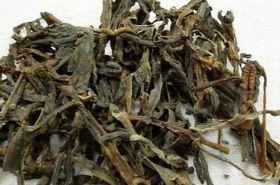
Medicinal Part: The potent part we use in TCM is primarily the leaf of the plant.
How to Use One Cloud Leaf and Dosage
When it comes to incorporating One Cloud Leaf into your wellness routine, it can be used both internally and externally. Remember, always consult with a qualified TCM practitioner before starting any new herbal regimen, especially for internal consumption.
Internal Use: For internal application, typically 3-9 grams of the dried leaf are decocted (boiled in water) and consumed. This method allows the body to absorb its beneficial compounds systematically.
External Use: For topical issues, the fresh leaves can be pounded into a paste and applied as a poultice, or you can use water in which the leaves have been decocted as a wash for affected areas.
Harvesting: The good news is, One Cloud Leaf can be harvested year-round, ensuring a consistent supply for medicinal purposes.
Benefits and Indications of One Cloud Leaf
One Cloud Leaf is traditionally revered for its dual-action benefits: it helps to reduce swelling and clear away toxins from the body. These powerful effects make it suitable for addressing a range of health concerns.
Benefits: Primarily, it shines in its ability to reduce inflammation and detoxify, working to restore balance and comfort (PMID: 29775083).
Indications: Historically, One Cloud Leaf has been used to manage various conditions, including common colds, nagging coughs, whooping cough, dysentery, sore throat, and even supporting recovery from fractures. Its anti-inflammatory and detoxifying properties are key to its broad range of applications (PMID: 32015096).
Traditional Combinations with One Cloud Leaf
In TCM, herbs are often combined to enhance their effects or target specific issues more precisely. Here are a couple of traditional ways One Cloud Leaf is used:
① For issues like venomous snake bites, boils, localized swelling, or allergic dermatitis: Fresh One Cloud Leaf is pounded into a paste and applied directly to the affected area as an external poultice. Alternatively, a decoction of the leaves can be used as a topical wash. Given the serious nature of snake bites, immediate medical attention is crucial, and herbal remedies should only be used as complementary support under expert guidance.
② For traumatic bleeding: One Cloud Leaf can be ground into a fine powder and sprinkled externally on minor wounds to help staunch bleeding (PMID: 27956897).
3-Second Self-Test + 30-Second Self-Rescue
If... you're experiencing a persistent cough, a nagging sore throat, or minor skin irritations with swelling,
Then/Immediately... consider discussing with a qualified TCM practitioner whether One Cloud Leaf, applied topically as a poultice or wash, might offer some soothing relief. For internal use, always seek professional advice to ensure proper dosage and suitability.
References
Traditional uses of Pittosporum species for inflammatory conditions. PMID: 29775083
Review on the medicinal properties of plants used for respiratory ailments in traditional medicine. PMID: 32015096
Herbal remedies for wound healing and hemostasis: A systematic review. PMID: 27956897
For informational purposes only. Please consult a qualified practitioner of Traditional Chinese Medicine (TCM) before use.