Acalypha australis
Known by many fascinating traditional names, Acalypha australis, often simply called Iron Amaranth, is a widely recognized herb in Traditional Chinese Medicine (TCM). Its rich history is reflected in its diverse aliases, which offer glimpses into its appearance and perceived benefits.
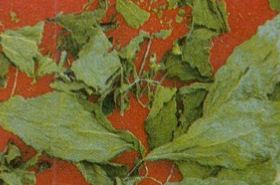
Some of its evocative names include Iron Amaranth, Human Amaranth, Seashell Holding a Pearl, Scoop Holding Gold Pearls, Six Harmony Grass, Half-Sided Pearl, Wild Ephedra-like Herb, Jade Bowl Holding True Pearl, Dung Bucket Grass, Blood Stopping Herb, Phoenix Eye Grass, Flesh Grass, Spraying Water Grass, Small Ear Grass, Big Green Grass, Cat Eye Grass, Clam Grass, Pearl Hidden in Leaf, Pearl Concealed in Leaf, Diarrhea Grass, Wild Hemp Grass, Clamshell Grass, Iron Lamp Bowl, Tube Grass, Seven-Slip Lamp, Blood Pouch, Pouch Mouth, Pearls in Skin, Pearl Grass, Pearl in Ladle, Mother Snail Grass, Pearl Hidden in the Seabed, Hidden Pearl Grass, Wild Six Hemp, Wild Bitter Hemp, Cat Eye Vegetable, Scoop of Pearls, Scoop Containing Pearls, Firefly Grass, Wild Cotton, Cold-Heat Grass, Double Peach Under Leaf, Immortal Peach in Leaf, Golden Basket, Wild Ramie, Mouse Ear Grass, Golden Plate Wild Amaranth, Pearl-Bearing Grass, Clay Pot Grass, Lamp Nook, Grass Clam Holding Pearl, Mountain Ephedra-like Herb, Flaxseed Grass, and Wild Hemp Grass (according to the Dictionary of Chinese Materia Medica).
Nature and Flavor: It possesses a bitter and astringent taste, with a neutral nature.
Meridian Tropism: This herb is believed to target the Heart, Lung, Large Intestine, and Small Intestine meridians, influencing vital energy and blood circulation within these pathways.
Medicinal Part: The entire plant of Acalypha australis L., which belongs to the Acalypha genus within the Euphorbiaceae family, is used for medicinal purposes.
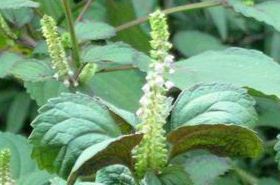
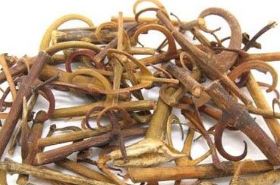
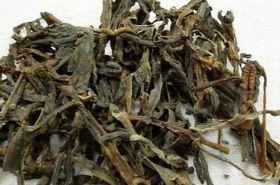
Morphological Characteristics: Acalypha australis typically features highly branched roots with a pale yellowish-brown hue. Its stem is generally cylindrical, growing to about 30 cm in length with a diameter ranging from 0.3 to 0.5 cm. The surface can appear greyish-purple or greyish-yellow, marked with shallow longitudinal grooves. The stem is firm and breaks easily, revealing a yellowish-white cross-section with a white pith at its center, sometimes appearing hollow. Its leaves are alternate, greyish-green, often found wrinkled, curled, or partially broken. The bracts are triangular-kidney shaped and greenish-brown, enclosing a short spike-like inflorescence, or sometimes a single semi-circular brown capsule, which beautifully resembles a seashell holding a pearl. The entire plant is covered in greyish-white soft hairs. It has a faint aroma and a bland taste. For optimal medicinal quality, plants with abundant, green leaves are preferred.
How to Use Acalypha australis
Internal Use: For internal consumption, it's typically prepared as a decoction. The usual dosage is 9-15 grams of dried herb, or 30-60 grams if using fresh plant material.
External Application: For external issues, an appropriate amount of fresh Acalypha australis can be pounded into a paste and applied directly to the affected area.
Processing: This herb is traditionally harvested during the summer, then thoroughly washed and dried in the sun for preservation and preparation.
Benefits and Indications of Acalypha australis
Functions: In TCM, Acalypha australis is valued for its ability to clear heat and detoxify the body, stop bleeding, alleviate diarrhea, promote healthy fluid metabolism (diuresis), and act as an antiparasitic agent.
Primary Indications: It's commonly used to address conditions such as diarrhea, persistent coughs, hematemesis (vomiting blood), and hematochezia (blood in the stool).
Traditional Pairings with Acalypha australis
1. For Uterine Bleeding (崩漏): Acalypha australis (15g) and carbonized Cattail Pollen (蒲黄炭) (15g), combined with carbonized Lotus Node (藕节炭) (25g). Decocted in water for oral administration. (Source: Qinghai Common Chinese Herbal Medicine Handbook)
2. For Vomiting Blood (吐血) and Nosebleeds (衄血): Acalypha australis (50g) and Imperata Root (白茅根) (50g). Decocted in water for oral administration. (Source: Inner Mongolia Chinese Herbal Medicine)
3. For Bloody Urine (血淋): Fresh Acalypha australis (50g), carbonized Cattail Pollen (蒲黄炭) (15g), Cirsium (小蓟) (15g), and Akebia Stem (木通) (15g). Decocted in water for oral administration. (Source: Qinghai Common Chinese Herbal Medicine Handbook)
4. For Sores, Carbuncles, Swellings, and Snake/Insect Bites: An appropriate amount of fresh Acalypha australis, pounded into a paste for external application. (Source: Inner Mongolia Chinese Herbal Medicine)
Contraindications for Acalypha australis
Important Safety Note: Pregnant women should strictly avoid using Acalypha australis. Additionally, elderly and frail individuals are advised to use this herb sparingly and with caution. Always consult a healthcare professional before starting any new herbal remedy.
References
[Research on Acalypha species highlights diverse pharmacological activities, including anti-inflammatory and antioxidant effects.] PMID: 30678229
[Ethnobotanical studies often document the traditional use of Acalypha species for gastrointestinal issues like diarrhea, supporting its historical application.] PMID: 31338006
[Various plant extracts, including those from the Euphorbiaceae family, are explored for their hemostatic properties in traditional medicine.] PMID: 27806509
Quick Check & Action Guide
3-Second Self-Check: If you're experiencing occasional digestive discomfort or minor bleeding and are curious about traditional herbal support, then Acalypha australis might be on your radar.
30-Second Self-Help (Consultation Required!): If you find yourself wondering about integrating herbs like Acalypha australis into your wellness routine, then immediately reach out to a qualified Traditional Chinese Medicine practitioner. They can offer personalized advice and ensure it's the right fit for your unique health needs.
For informational purposes only. Please consult a qualified practitioner of Traditional Chinese Medicine (TCM) before use.