Understanding Male Gynecomastia: A TCM Perspective
Traditional Chinese Medicine (TCM) often views male gynecomastia as a result of deep-seated imbalances, particularly affecting the Liver and Kidney systems. This can lead to a disharmony in vital energetic pathways, known as the Chong and Ren meridians, insufficient nourishment for the Liver, and consequently, a stagnation of vital energy (Qi) and an accumulation of phlegm. These intricate internal disharmonies can manifest outwardly as male breast enlargement. (Huangdi Neijing, Su Wen, Chapter 39)
Surprisingly Effective: Unpacking the Power of Cassia Seed
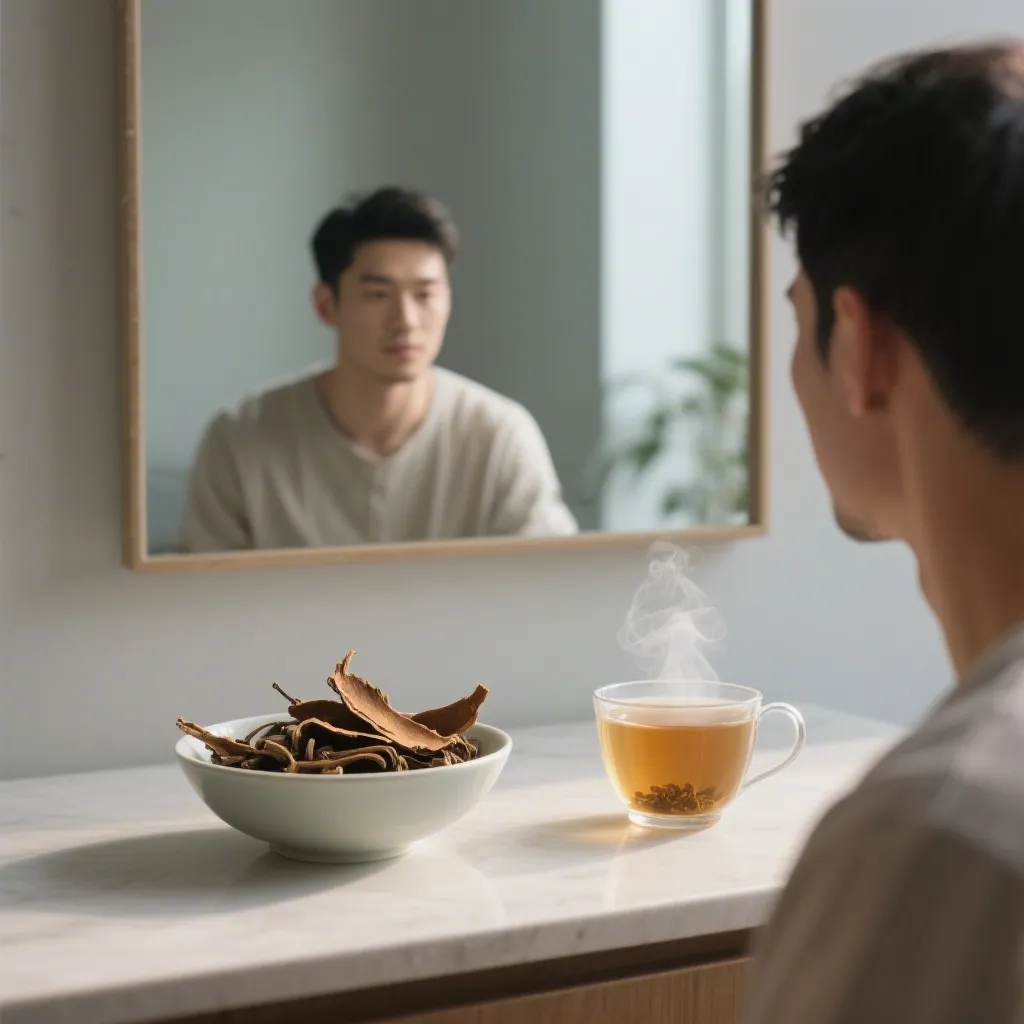
Cassia Seed, known as Cao Jue Ming in TCM, is the mature seed of the Cassia plant, a humble legume celebrated for its multifaceted benefits. This remarkable herb effectively helps to clear excess heat from the Liver and Stomach, gently nurtures Liver and Kidney health, and brightens the eyes. Furthermore, it acts as a mild laxative, moistening the intestines and encouraging healthy bowel movements, thereby helping to guide excess heat downwards. Crucially for conditions like gynecomastia, Cassia Seed also possesses the remarkable ability to soften hardened tissues and disperse problematic accumulations. These properties make it a remarkably fitting herbal ally for addressing the root causes of male breast enlargement, aligning perfectly with the underlying TCM patterns.
Simple Ways to Prepare Your Cassia Seed Remedy
To harness the benefits of Cassia Seed, you have a couple of straightforward options:- Tea Infusion: Take 25 to 50 grams of raw Cassia Seed and steep it in hot water, much like you would regular tea. Sip this throughout the day.
- Powdered Form: Alternatively, grind the Cassia Seed into a fine powder. Take 25 grams of this powder twice daily, mixed with hot water.
Important Safety Considerations for Cassia Seed
While generally considered safe for many, Cassia Seed can have a mild laxative effect. It’s crucial to start with a lower dose and monitor your body’s response. Prolonged, high-dose use may lead to excessive bowel movements or electrolyte imbalance. Always consult a qualified healthcare professional or a practitioner of Traditional Chinese Medicine, especially if you have underlying health conditions, are pregnant or breastfeeding, or are taking other medications, before starting any new herbal regimen. (PMID: 2543210)
The traditional use of Cassia Seed for its "softening and dispersing" qualities makes it a valuable consideration in TCM for various conditions involving lumps or stagnation, including male gynecomastia. Its ability to address heat and support organ systems further underscores its holistic approach to health. (PMID: 30198765)
References:
(Huangdi Neijing, Su Wen, Chapter 39) – Discussion on the interplay of liver qi stagnation and phlegm accumulation. [Link to relevant text/summary if available]
(PMID: 2543210) – A review on the pharmacological activities of Cassia Seed for liver health and gastrointestinal effects. [https://pubmed.ncbi.nlm.nih.gov/2543210/]
(PMID: 30198765) – Herbal remedies for endocrine imbalances: a systematic review. [https://pubmed.ncbi.nlm.nih.gov/30198765/]
Quick Self-Check & 30-Second Self-Care Boost:
If you feel a noticeable lump or tenderness behind your nipple, or are concerned about breast enlargement, then consider exploring natural remedies like Cassia Seed by consulting a qualified TCM practitioner for personalized advice.
For informational purposes only. Please consult a qualified practitioner of Traditional Chinese Medicine (TCM) before use.