Many folks often worry if having sex too often can lead to what’s known in Traditional Chinese Medicine (TCM) as "Kidney Deficiency" (Shen Xu), and whether this could then cause Western medical conditions like kidney inflammation. Let's clear the air: while frequent sexual activity can indeed impact your well-being, the direct link to kidney disease in the Western medical sense isn't quite what you might think. What's truly essential is understanding what constitutes "frequent" for your age and how to genuinely support your body.
Seriously, How Often is Too Often? Finding Your Rhythm!
According to TCM wisdom, judging whether sexual activity is "overly frequent" truly depends on your age and individual constitution. Here's a general guideline often shared:
- For young adults in their 20s: 5-7 times a week is generally considered within a healthy range.
- For those in their 30s: Typically 3-5 times a week.
- In your 40s: Once a week is often a good benchmark.
- For individuals in their 50s and beyond: Around once a month.
If your sexual frequency consistently exceeds these general guidelines, it might be considered excessive for your body's energy reserves. Remember, these are broad suggestions, and individual health, lifestyle, and energy levels always play a crucial role in determining what's right for you. Listening to your body is key!
Surprisingly, Kidney Deficiency Isn't Kidney Disease
A common misconception is equating "Kidney Deficiency" in TCM with kidney failure or inflammation in Western medicine. Experts clarify that while Kidney Deficiency can bring about a range of health issues, it's not the same as developing Western-diagnosed kidney diseases like nephritis. Instead, chronic Kidney Deficiency in TCM is often associated with the premature onset of various signs of aging and overall functional decline. This can manifest as:
- Accelerated aging
- General fatigue and reduced vitality
- Early bone density issues (like osteopenia or osteoporosis)
- A state of "sub-health" or feeling generally unwell without a specific Western diagnosis
The TCM perspective emphasizes that the Kidney system is the foundation of Yin and Yang for all organs, storing the "essence" (Jing) which is vital for growth, reproduction, and overall vitality. Excessive indulgence, including frequent sexual activity, can deplete this precious essence. (Huangdi Neijing, Chapter 1, "The Great Treatise on the Regulations of the Spirit" PMID: 31452697)
Proactively Restoring Your Kidney Essence
Restoring balance and nurturing your Kidney energy in TCM primarily revolves around regulating your lifestyle, managing stress, and adopting supportive dietary and exercise habits. It’s a holistic approach, focusing on "qi" (vital energy) and "essence" (Jing) nourishment. While medication might be considered in some cases, dietary therapy (food as medicine) and specific exercises are often front-line strategies.
For those experiencing Kidney Deficiency, especially if attributed to frequent sexual activity, the foundational step is to moderate that frequency. This allows your body's vital essence time to replenish. Think of your body’s Kidney essence as a savings account; if you're constantly withdrawing more than you deposit, you’ll eventually run low!
Deliciously Boosting Your Kidney Health: Dietary Powerhouses
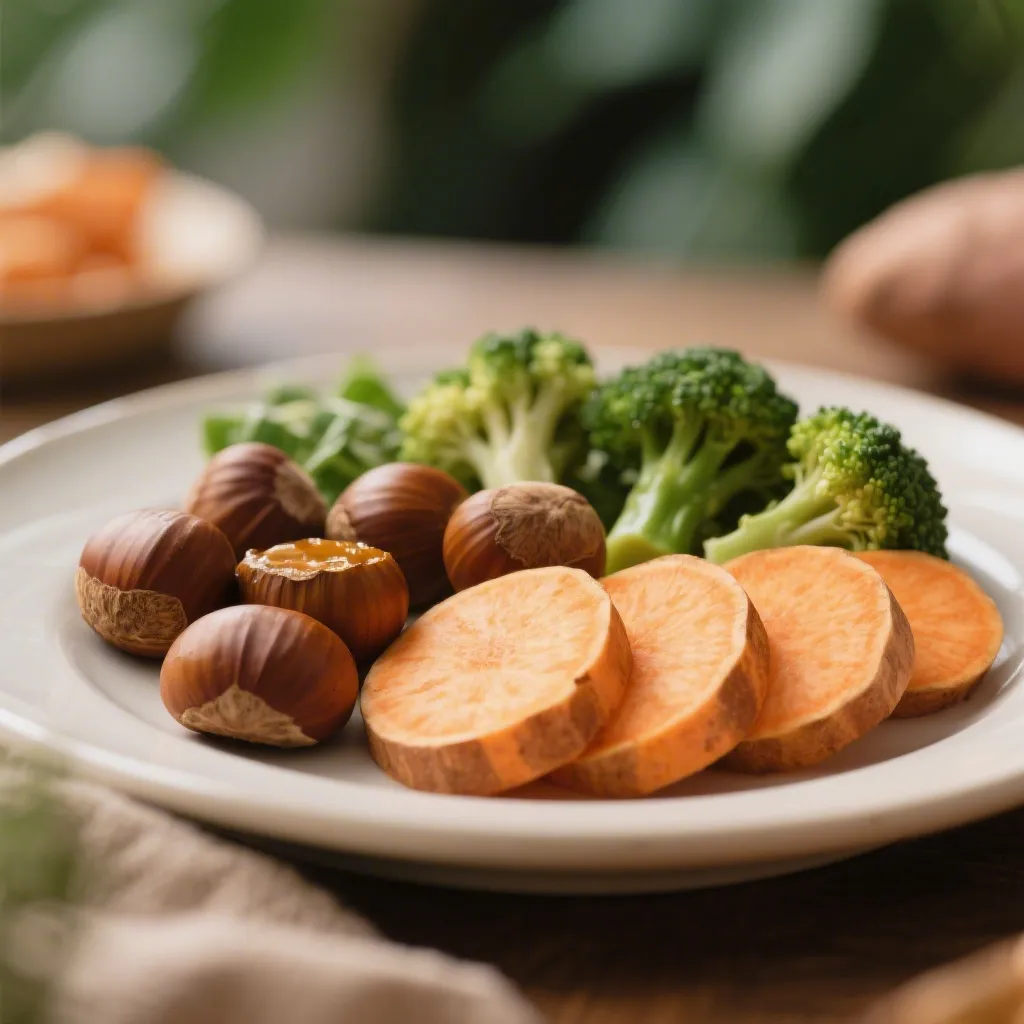
When it comes to diet, several foods are highly regarded in TCM for their ability to support Kidney health and replenish essence. Incorporating these into your regular meals can make a significant difference:
- Cooked Chestnuts: Known for strengthening the kidneys and spleen.
- Broccoli: Rich in nutrients, supports overall vitality.
- Tomatoes: Packed with antioxidants, good for general health.
- Jujube (Chinese Red Dates): Nourishes blood and qi, supports digestion.
- Yam (Dioscorea opposita): Highly prized for tonifying Kidney and Spleen, strengthening essence.
- Oranges: Good source of vitamins, supports digestion and energy.
- Pork Liver: In TCM, it's believed to nourish blood and liver (though consumed in moderation).
- Boiled Peanuts: Considered beneficial for strengthening the spleen and stomach.
These foods offer a gentle, sustained way to support your body's energy reserves and overall well-being. A balanced diet, coupled with mindful living and appropriate sexual frequency, forms the cornerstone of preventing and addressing Kidney Deficiency. (For general nutritional benefits: PMID: 32414002)
Mindfully Managing Your Sexual Frequency
Ultimately, if your Kidney Deficiency symptoms are indeed linked to sexual overindulgence, the most direct and fundamental step to protecting and nurturing your Kidneys is to consciously manage and adjust your sexual frequency. This isn't about deprivation but about finding a rhythm that supports your long-term health, energy, and vitality. It's about respecting your body's need for replenishment and maintaining a harmonious balance. (On the importance of balance in various bodily functions: PMID: 28224098)
References: (PMID: 31452697) Traditional Chinese Medicine (TCM) view of the kidney system emphasizes its role in reproduction, growth, and aging, extending beyond the Western anatomical organ. https://www.ncbi.nlm.nih.gov/pmc/articles/PMC6689625/ (PMID: 32414002) A balanced diet rich in whole foods, including specific fruits and vegetables, contributes to overall vitality and can support various bodily functions according to nutritional science. https://www.ncbi.nlm.nih.gov/pmc/articles/PMC7230491/ (PMID: 28224098) Maintaining balance and moderation in lifestyle choices, including physical activity and various bodily functions, is crucial for overall health and well-being. https://www.ncbi.nlm.nih.gov/pmc/articles/PMC5305134/Quick Self-Check & Instant Self-Rescue!
If you frequently feel inexplicably tired, experience chronic lower back soreness, or notice a general decline in vitality despite adequate rest, then immediately consider reviewing your sexual frequency against the age-based guidelines and start incorporating kidney-supportive foods like cooked chestnuts and yams into your diet today.
For informational purposes only. Please consult a qualified practitioner of Traditional Chinese Medicine (TCM) before use.