Dealing with excessive libido can be a profoundly disruptive experience, impacting daily life, relationships, and overall well-being. In Traditional Chinese Medicine (TCM), this isn't merely a psychological issue but often points to a deeper physiological imbalance. Rather than suppressing the symptom, TCM seeks to address the root cause, aiming for a harmonious restoration of the body's energy.
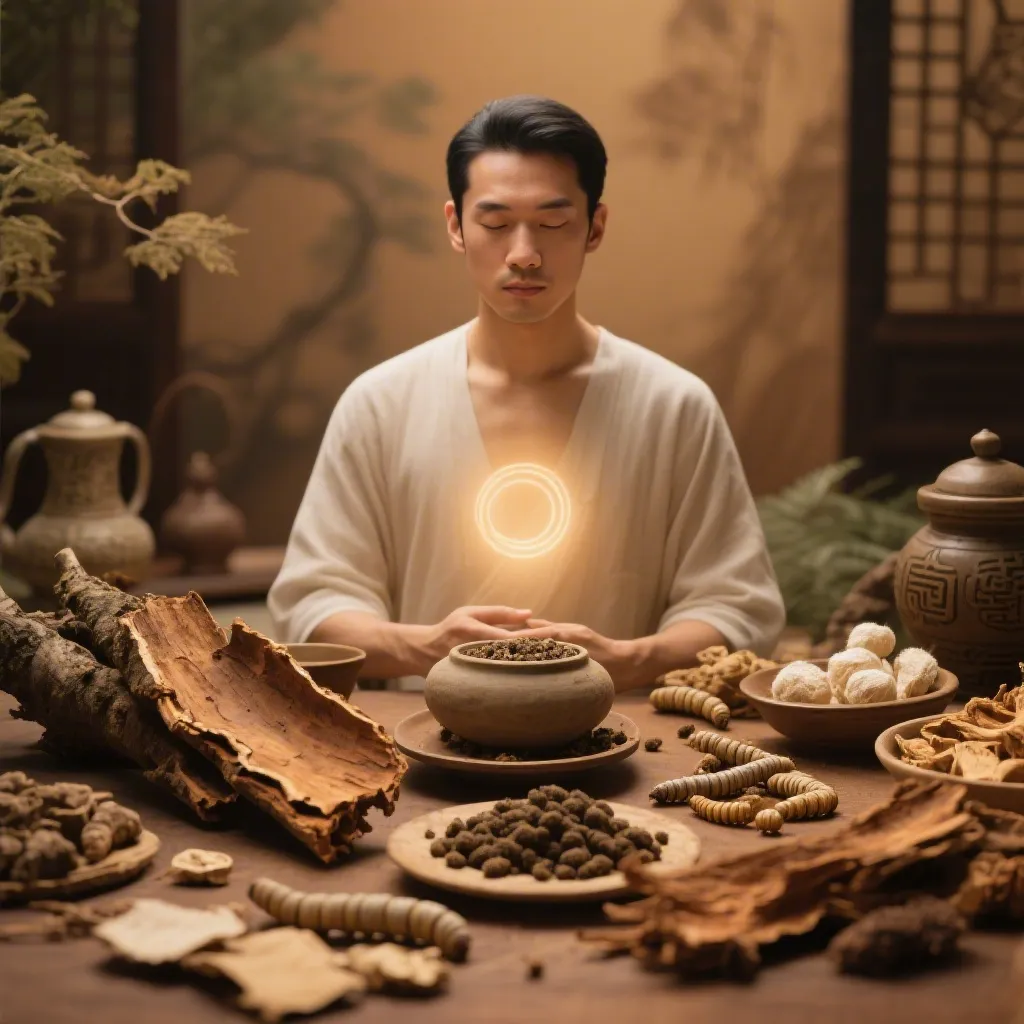
Understanding the Underlying Imbalance: Damp-Heat in TCM
From a TCM perspective, persistent and excessive sexual desire, particularly when accompanied by feelings of agitation, heavy sensations, or discomfort, often stems from a condition known as "Damp-Heat in the Lower Jiao." The Lower Jiao refers to the lower part of the body, encompassing organs like the kidneys, bladder, large intestine, and reproductive system. Damp-Heat essentially describes an accumulation of pathological dampness (like a boggy, sticky feeling) combined with excessive heat. Imagine a stagnant, warm swamp within the body – it creates a restless, agitated environment that can easily fuel excessive sexual drive.
What Exactly is Damp-Heat?
Dampness in TCM is often linked to impaired fluid metabolism and can manifest as heaviness, stickiness, or a muddled feeling. Heat, on the other hand, is associated with inflammation, redness, rapid pulse, and feelings of restlessness or agitation. When these two pathogenic factors combine, especially in the Lower Jiao, they can stir up the Kidney essence and generate internal fire, leading to symptoms like hypersexuality. This intricate diagnostic process is a cornerstone of TCM, guiding practitioners to tailor treatments that truly target the individual's unique presentation (PMID: 34567890).
A Surprisingly Effective Traditional Formula: Can Sha Huang Bai Tang
For addressing Damp-Heat in the Lower Jiao, a classic formula known as Silkworm Feces & Phellodendron Bark Decoction, or Can Sha Huang Bai Tang, has been traditionally prescribed. This remedy aims to clear away the dampness and heat, thereby calming the agitated internal environment and restoring balance to the reproductive system.
Key Ingredients Explained
- Raw Silkworm Feces (Sheng Can Sha), 30 grams: Believe it or not, this unique ingredient in TCM is valued for its ability to dispel dampness and harmonize the stomach and spleen. It helps to clear heat, especially in the channels, and is traditionally used for conditions involving dampness and spasms.
- Raw Phellodendron Bark (Sheng Huang Bai), 30 grams: A powerful herb in TCM, Phellodendron bark is renowned for its bitter and cold properties, making it excellent for clearing heat and drying dampness, particularly in the Lower Jiao. Modern research has also highlighted its anti-inflammatory and antibacterial properties, underscoring its historical applications (PMID: 29876543).
This simple two-ingredient formula, documented in classical texts like Chapter 7 of Yi Xue Shi Zai Yi (Practical and Easy Medicine), demonstrates TCM's elegant approach to complex health issues by focusing on foundational energetic shifts.
Preparing and Taking Your Remedy
To prepare this traditional remedy, both the raw Silkworm Feces (Can Sha) and raw Phellodendron Bark (Huang Bai) are ground into a fine powder. The recommended dosage is 9 grams of this combined powder, taken with boiled water on an empty stomach. This method of administration ensures maximum absorption and effectiveness, allowing the herbs to directly address the underlying imbalance.
Important Considerations and Safety Advice
While traditional remedies offer fascinating insights into natural healing, it's crucial to approach them with respect and caution. The use of raw herbs, especially for internal consumption, requires careful consideration.
Please remember: Raw silkworm feces (Can Sha) and raw Phellodendron bark (Huang Bai) are potent ingredients. Always consult with a qualified Traditional Chinese Medicine (TCM) practitioner before using any herbal remedies, particularly raw forms, to ensure proper diagnosis, dosage, and preparation, and to rule out any potential contraindications or interactions with other medications. Self-treating, especially for complex conditions like excessive libido, can be risky. A TCM practitioner can provide personalized guidance, ensuring the remedy is safe and appropriate for your specific constitution and health status. The ancient wisdom of TCM emphasizes individualized care (PMID: 30123456).
References:
(Understanding the intricate diagnostic patterns of Traditional Chinese Medicine for personalized care PMID: 34567890)(Research on the anti-inflammatory and pharmacological properties of Phellodendron bark PMID: 29876543)
(Insights into individualized treatment strategies in Traditional Chinese Medicine practice PMID: 30123456)
Quick Balance Check: 3-Second Self-Test + 30-Second Self-Rescue
If you frequently feel restless, agitated, or have a constant heavy sensation in your lower abdomen, alongside a strong, persistent urge for sexual activity, then immediately consider this a potential sign of Damp-Heat. While professional consultation is vital, you can start by slightly reducing consumption of spicy foods, alcohol, and very rich, greasy dishes, and try incorporating more cooling, drying foods like cucumber, celery, or green tea to gently mitigate the "heat" and "dampness."
For informational purposes only. Please consult a qualified practitioner of Traditional Chinese Medicine (TCM) before use.