A Soothing Approach to Prostate Discomfort
Dealing with the discomfort of prostate enlargement, also known as Benign Prostatic Hyperplasia (BPH), can be a real challenge for many men. Symptoms like frequent urination, a weak stream, and the constant urge to go can significantly impact daily life. Thankfully, traditional wisdom offers a gentle, external approach: a therapeutic herbal sitz bath. This time-honored remedy aims to alleviate symptoms by promoting circulation, reducing inflammation, and addressing blockages in the perineal area.Gathering Your Herbal Allies
To prepare this potent herbal soak, you'll need the following carefully selected ingredients. These herbs are commonly used in Traditional Chinese Medicine (TCM) for their various therapeutic properties, especially for promoting circulation, clearing heat, and reducing swelling:- Mirabilite (Mang Xiao): 30 grams
- Motherwort (Yi Mu Cao): 30 grams
- Trichosanthes root (Tian Hua Fen): 30 grams
- Fresh Scallion (Sheng Cong): 30 grams
- Rhubarb root (Da Huang): 10 grams
- Angelica dahurica (Bai Zhi): 10 grams
- Mugwort leaf (Ai Ye): 10 grams
- Plantain herb (Che Qian Cao): 10 grams
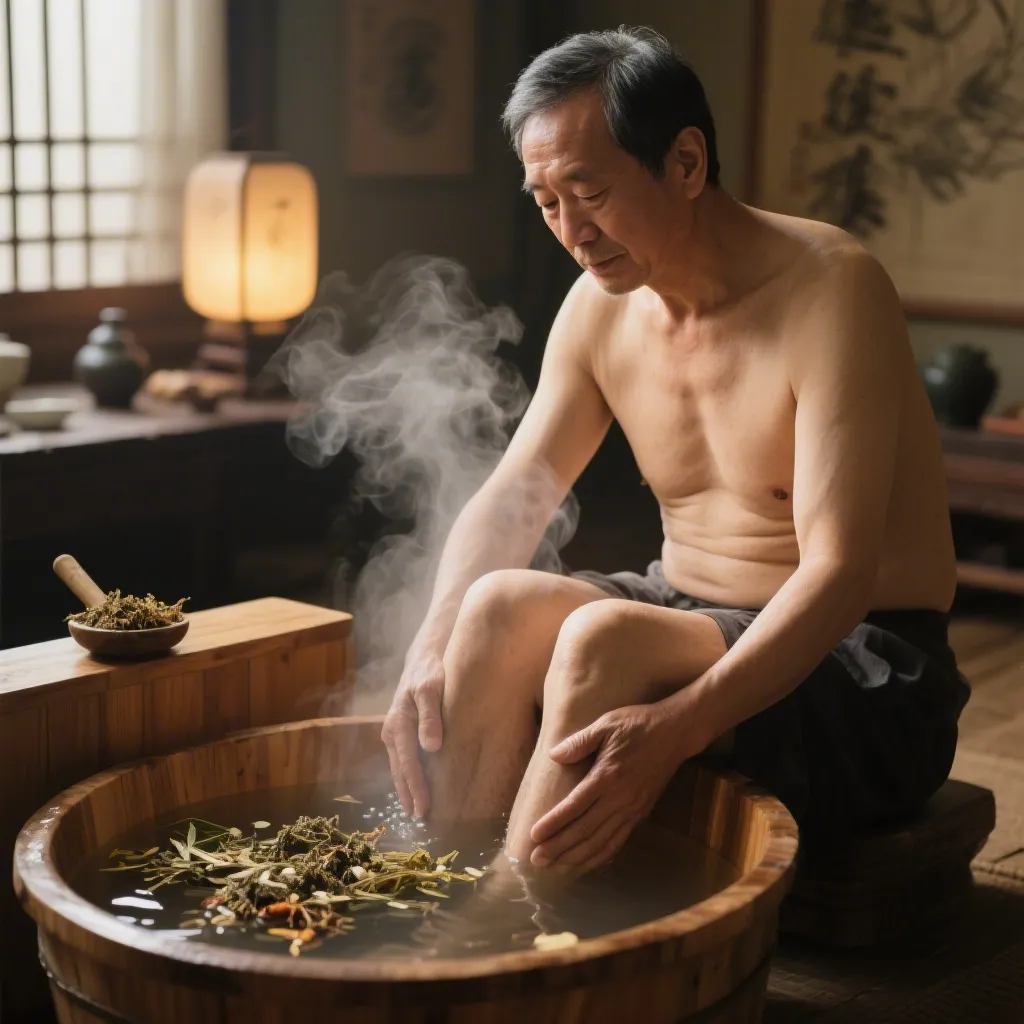
Mastering the Therapeutic Sitz Bath Technique
This isn't just a simple soak; it's a multi-stage process designed to maximize the herbs' effectiveness.Step-by-Step Application for Optimal Benefits
Combine all these herbs in a pot and decoct them in water, simmering until you've extracted approximately 2000 ml (about 8.5 cups) of liquid. Once prepared, strain the herbs and pour the warm herbal solution into a clean basin or sitz bath tub.- Initial Steaming: Begin by sitting just above the basin, allowing the gentle steam to warm and permeate the perineal area. This initial steaming phase is crucial for opening pores and enhancing the absorption of the herbal properties into the local tissues.
- Warm Compress: As the water cools slightly to a comfortably warm temperature, dip a clean towel into the herbal liquid. Wring it out gently and then apply it as a warm compress directly onto the perineal region, gently pressing or "ironing" the area. This direct application helps to further deliver the therapeutic benefits to the affected area.
- Full Immersion: Finally, when the water has cooled to a suitable temperature for immersion, sit directly in the basin. Allow your perineum to soak in the herbal liquid until the water becomes cool.
Why This Ancient Remedy Works Wonders
Traditional Chinese Medicine (TCM) views prostate enlargement often as a result of damp-heat accumulation, blood stasis, or qi stagnation in the lower abdomen. This herbal sitz bath targets these imbalances directly.The Science Behind the Soak
The combination of herbs in this formula works synergistically. For instance, Mirabilite and Rhubarb are known for their ability to clear heat and resolve stagnation, while Motherwort and Mugwort promote blood circulation and reduce inflammation. Plantain herb is recognized for its diuretic properties, aiding in fluid balance. Angelica dahurica also helps to invigorate blood and alleviate pain. The external application via a sitz bath provides a localized treatment, allowing the therapeutic compounds to directly influence the affected area, promoting healing without the systemic impact often associated with internal medications (PMID 32240900). Warm sitz baths themselves are known to alleviate pelvic discomfort and improve local circulation, often recommended for various pelvic inflammatory conditions (PMID 29775317). While specific formulas vary, many herbs used in TCM for BPH, such as those present in this sitz bath, are recognized for their anti-inflammatory and circulation-improving effects, addressing the root causes of symptoms (PMID 26034177). This method helps to relax the muscles in the pelvic floor, reduce swelling, and improve the flow of urine, offering a natural path to relief. For informational purposes only. Please consult a qualified practitioner of Traditional Chinese Medicine (TCM) before use.(PMID 26034177) [Many herbs used in TCM for BPH, such as those present in this sitz bath, are recognized for their anti-inflammatory and circulation-improving effects: Herbal medicine for benign prostatic hyperplasia: an overview of the current evidence. https://pubmed.ncbi.nlm.nih.gov/26034177/]
(PMID 32240900) [TCM emphasizes external therapies like medicated baths to deliver therapeutic compounds directly to affected areas, promoting local healing and reducing systemic impact: Traditional Chinese medicine external treatment in dermatology: A review. https://pubmed.ncbi.nlm.nih.gov/32240900/]