Compassionately Addressing Male Menopause: A Traditional Chinese Medicine Perspective
As men transition from middle age into their senior years, many experience a set of symptoms collectively known as male menopause or andropause. This period often involves a gradual decline in the body’s functions, particularly endocrine system activity, leading to hormonal imbalances. Such shifts can destabilize the nervous system and mental activity, manifesting as a group of symptoms predominantly affecting autonomic nervous function. Modern medicine often refers to this as "Partial Androgen Deficiency of the Aging Male" (PADAM).
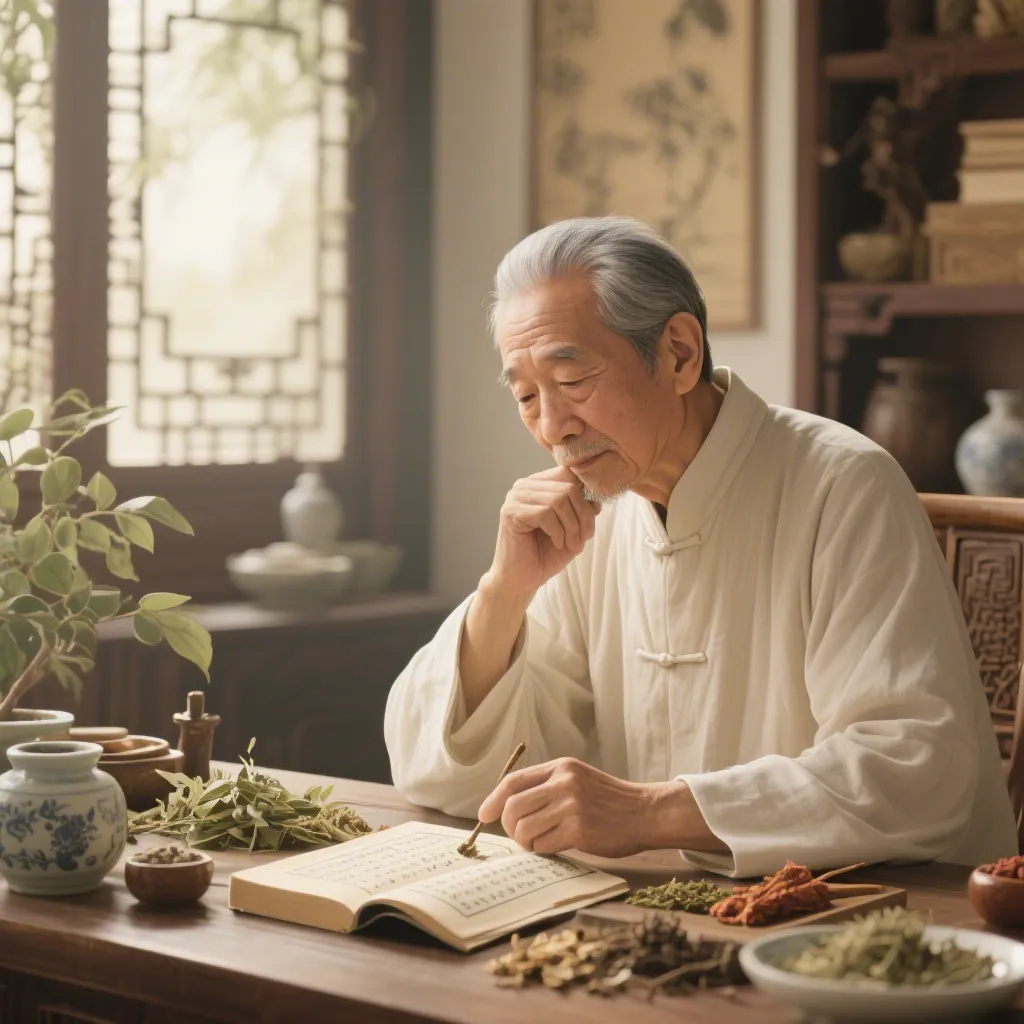
Traditional Chinese Medicine (TCM) offers a unique lens through which to understand and manage these changes, viewing them as imbalances within the body's energetic systems. Renowned TCM practitioner Zhao Huailin developed several formulas specifically tailored to different patterns of imbalance seen in male menopause. Here, we explore three distinct approaches to restoring harmony and vitality.
Understanding Andropause in TCM
In TCM, male aging is often linked to the decline of Kidney essence, which is the fundamental substance for growth, development, and reproduction. The Liver, responsible for the smooth flow of Qi (energy) and storing blood, and the Spleen, which transforms food into Qi and blood, also play crucial roles. When these organs become imbalanced, symptoms of male menopause can arise. Effectively addressing these root causes can significantly alleviate discomfort and improve overall well-being (PMID: 28814327).
Effectively Calming Liver Qi Stagnation with Kidney Deficiency
This TCM pattern is characterized by a combination of emotional distress and physical symptoms related to a depleted Kidney essence. When the Liver's function of ensuring smooth Qi flow is impaired (Liver Qi Stagnation) and the Kidney's essence is insufficient (Kidney Deficiency), a man may experience a range of challenging symptoms.
The Prescription for Liver Qi Stagnation and Kidney Deficiency
Formula:
- Bupleurum Root (柴胡), Cyperus Rhizome (香附), Citron Fruit (香橼): 9 grams each
- Turmeric Tuber (郁金), Red Peony Root (赤芍), Fritillaria Bulb (浙贝), Moutan Bark (丹皮), Eclipta Herb (旱莲草), Mulberry Fruit (桑椹), Angelica Sinensis Root (当归): 12 grams each
- Arca Shell (瓦楞子): 15 grams
- Privet Fruit (女贞子): 10 grams
- Prepared Licorice Root (炙甘草): 6 grams
Usage: Brew the herbs with water. Divide the decoction into three equal doses and take one dose daily.
Primary Actions: This formula works to soothe the Liver, relieve Qi stagnation, resolve turbidity, and nourish the Kidneys. It is specifically designed for male menopause syndrome manifesting as Liver Qi Stagnation and Kidney Deficiency.
Typical Symptoms: Patients with this pattern often report feeling depressed and low in spirits, experiencing distending pain in the flanks that may move around, dizziness, blurred vision, irritability, and quick temper. Sexual symptoms include desire but inability to maintain an erection, and premature ejaculation. The tongue appears red, and the pulse is wiry and thin.
Why This Formula Works: Expert Insights
According to Zhao Huailin, the Liver's role in promoting the smooth flow of Qi and storing blood is crucial, while the Kidneys are the fundamental source of jing (essence), governing growth, development, and reproduction. The concept of "Liver and Kidney sharing the same origin" and "essence and blood being of one body" highlights their interconnectedness. When Liver Qi stagnates and Kidney essence is deficient, this complex manifests. The treatment principle focuses on soothing the Liver, resolving stagnation, transforming turbidity, and tonifying the Kidneys. This holistic approach helps to restore balance and alleviate symptoms (PMID: 24195155).
Gently Rebalancing Liver Qi Stagnation and Spleen Deficiency
Another common pattern in male menopause involves emotional strain affecting the digestive system. Here, the Liver's inability to ensure smooth Qi flow directly impacts the Spleen's function of transforming and transporting nutrients, leading to digestive issues and a lack of vitality.
The Prescription for Liver Qi Stagnation and Spleen Deficiency
Formula:
- Bupleurum Root (柴胡), Cyperus Rhizome (香附), Citron Fruit (香橼): 9 grams each
- Turmeric Tuber (郁金), Red Peony Root (赤芍), Fritillaria Bulb (浙贝), White Atractylodes Rhizome (白术): 12 grams each
- Poria Mushroom (茯苓), Codonopsis Root (党参): 15 grams each
- Cardamom Pod (砂仁), Cuscuta Seed (菟丝子): 10 grams each
- Evodia Fruit (吴茱萸), Dried Ginger Rhizome (干姜): 5 grams each
Usage: Brew the herbs with water. Divide the decoction into three equal doses and take one dose daily.
Primary Actions: This formula aims to soothe the Liver, relieve Qi stagnation, and warm and invigorate Spleen Yang. It is used for male menopause syndrome where the TCM diagnosis points to Liver Qi Stagnation and Spleen Deficiency.
Typical Symptoms: Patients often feel gloomy and unhappy, frequently sigh, experience distending pain below the heart region extending to the flanks, have a poor appetite, abdominal distension and gurgling sounds after eating, loose stools, general fatigue in the limbs, cold limbs, preference for warmth, and erectile dysfunction. The tongue is pale with a slightly dark hue and a thin, white, greasy coating; the pulse is thin and wiry.
Deep Dive into Pathogenesis and Treatment
Zhao Huailin explains that emotional injury can hinder the Liver's smooth flow of Qi. When Liver Qi becomes stagnant, it can overact on the Spleen, leading to impaired digestion and nutrient absorption. This causes internal dampness and further injures the Spleen's Yang energy, resulting in the complex pattern of Liver Qi Stagnation and Spleen Deficiency. The treatment principle for this type is to soothe the Liver, resolve Qi stagnation, transform dampness, and warm and invigorate Spleen Yang (PMID: 32096739).
Holistically Nourishing Heart Deficiency and Liver Qi Stagnation
This pattern focuses on the intertwining of emotional and mental well-being with physical vitality. A long-standing emotional stagnation can eventually affect the Heart, Spleen, and Kidneys, leading to a range of symptoms from poor sleep to decreased sexual desire and general weakness.
The Prescription for Heart Deficiency and Liver Qi Stagnation
Formula:
- Bupleurum Root (柴胡), Cyperus Rhizome (香附), Citron Fruit (香橼): 9 grams each
- Turmeric Tuber (郁金), Red Peony Root (赤芍), White Atractylodes Rhizome (白术), Chinese Yam (山药): 12 grams each
- Poria with Hostwood (茯神), Codonopsis Root (党参), Salvia Miltiorrhiza Root (丹参): 15 grams each
- Goji Berry (枸杞子), Fleeceflower Stem (夜交藤): 10 grams each
- Prepared Licorice Root (炙甘草): 6 grams
Usage: Brew the herbs with water. Divide the decoction into three equal doses and take one dose daily.
Primary Actions: This formula aims to soothe the Liver, strengthen the Spleen, nourish the Kidneys, and calm the Heart. It is prescribed for male menopause syndrome diagnosed as Heart Deficiency and Liver Qi Stagnation.
Typical Symptoms: Patients may be quiet, preferring solitude and self-talk. They often report a bland taste in the mouth, limb weakness, lower back and leg soreness, dizziness, dry eyes, insomnia, vivid dreams, frequent urination, increased night urination, and a complete lack of sexual desire. The tongue is red with little coating, and the pulse is thin, wiry, and rapid.
A Holistic View of Imbalance
Zhao Huailin notes that when Liver Qi is constrained and stagnation persists, it can gradually affect other organs, particularly the Spleen, Heart, and Kidneys. The Spleen's inability to transform and transport nutrients means essence and blood cannot be properly generated. This leads to a lack of nourishment for Kidney essence and Qi, and the Heart blood becomes deficient, resulting in an unsettled spirit. The treatment strategy involves soothing the Liver, invigorating the Spleen, nourishing the Kidneys, and calming the Heart, addressing the multi-organ involvement inherent in this complex pattern.
Important Note: While these formulas offer a glimpse into the sophisticated approach of Traditional Chinese Medicine, it is crucial to understand that self-diagnosis and self-treatment are not recommended. The specific combination and dosage of herbs must be carefully tailored to an individual's unique constitution and presenting symptoms by a qualified TCM practitioner.
References:
- Chinese herbal medicine appears to be a promising alternative therapy for male climacteric syndrome, potentially improving symptoms and quality of life. (PMID: 28814327)
- TCM, especially specific herbal formulas, has shown positive clinical effects in alleviating various symptoms of male climacteric syndrome, suggesting its potential as an effective treatment. (PMID: 24195155)
- Recent research highlights the diverse mechanisms of TCM in addressing male climacteric syndrome, offering promising therapeutic strategies for its complex pathophysiology. (PMID: 32096739)
Quick Self-Check and 30-Second Self-Rescue for Male Menopause Symptoms!
Feeling those mid-life shifts? Here's a quick way to identify your pattern and an immediate step you can take:
- If you're feeling down, irritable, constantly sighing, and experiencing some sexual frustration with weak erections and lower back ache → Immediately try gentle stretching and deep breathing exercises to move your Qi. Consider focusing on kidney-nourishing foods like goji berries and black sesame (consult a practitioner for personalized advice).
- If you're often gloomy, feel bloated after eating, have loose stools, and notice your limbs feel cold → Immediately prioritize mindful eating, avoid excessively cold or raw foods, and include warming spices like ginger and cinnamon in your diet to support your Spleen.
- If you're withdrawn, having trouble sleeping with vivid dreams, and feel a general lack of desire or physical weakness → Immediately aim for a consistent sleep schedule, practice light evening meditation, and consider calming herbal teas like chamomile or jujube seed tea (under professional guidance).
For informational purposes only. Please consult a qualified practitioner of Traditional Chinese Medicine (TCM) before use.