Dealing with anal inflammation, discomfort, or hemorrhoids can be incredibly challenging, affecting your daily life and comfort. Many seek gentle yet effective solutions. Traditional Chinese Medicine (TCM) offers time-honored remedies that focus on holistic healing and symptom relief. Among these, Jade Dew Cream stands out as a formulation specifically designed to address anorectal irritation and swelling, providing a natural pathway to relief. This article will delve into the soothing properties of Jade Dew Cream and also touch upon a complementary herbal wash for skin conditions like seborrheic dermatitis.
Discovering the Soothing Power of Jade Dew Cream
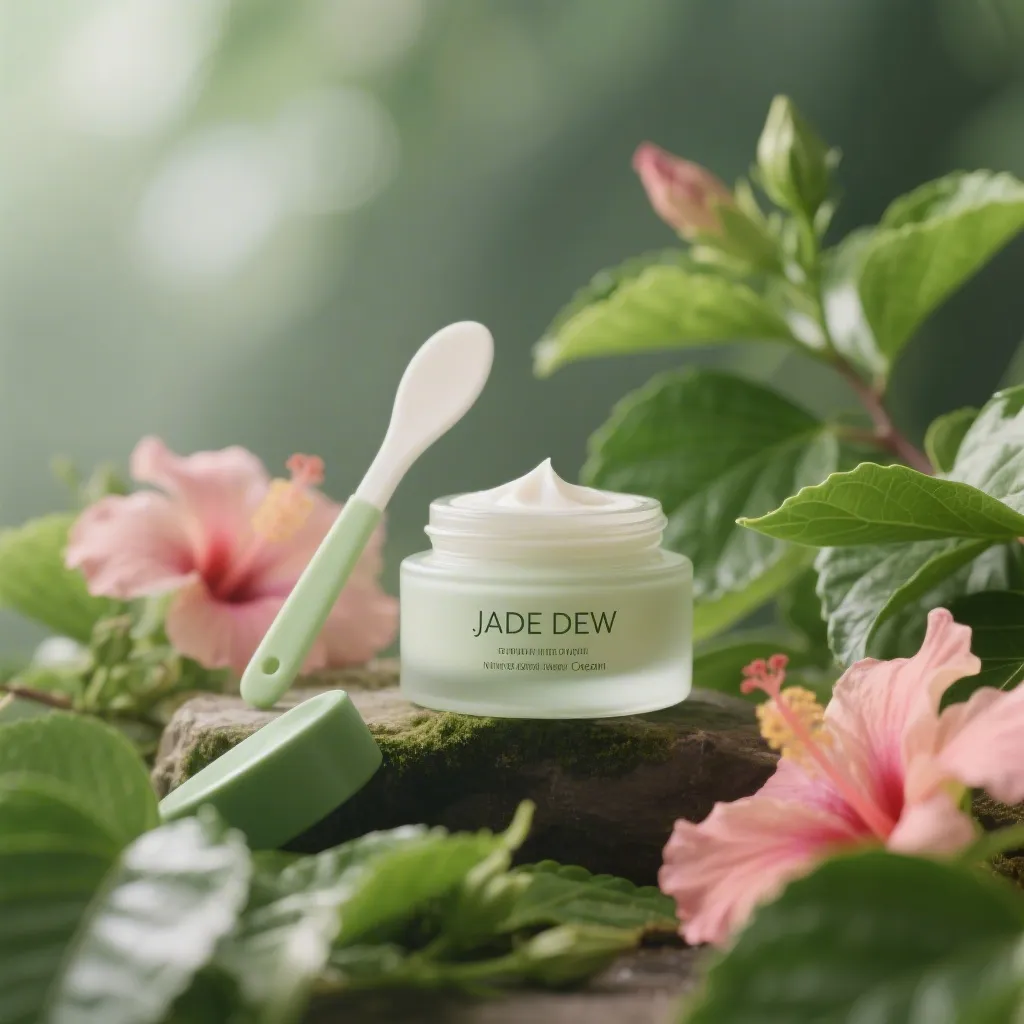
Jade Dew Cream, or "Yu Lu Gao" in Chinese, is a topical preparation rooted in TCM principles. It’s formulated to alleviate discomfort, swelling, and inflammation in the sensitive anorectal area, offering a traditional yet surprisingly effective solution.
What is Jade Dew Cream?
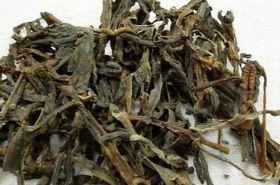
The primary ingredient in Jade Dew Cream is the dried and finely ground leaf of the hibiscus flower (芙蓉花叶), expertly blended with a Vaseline ointment base. This simple yet potent combination is designed to work externally to provide targeted relief. In TCM, hibiscus is valued for its ability to clear heat, cool the blood, and reduce swelling, making it ideal for conditions characterized by inflammation and discomfort.
Composition: Dried hibiscus leaf powder, combined with Vaseline ointment.
Traditional Functions: Clears heat, cools blood, and reduces swelling.
Key Indications: Anorectal inflammation, swollen and painful hemorrhoids, and associated fluid retention or edema.
Usage Instructions: The herbal powder is formulated with Vaseline to create a 20% ointment, applied externally to the affected area. Always ensure the area is clean and dry before application.
How Does Jade Dew Cream Remarkably Work?
The effectiveness of Jade Dew Cream lies in its targeted TCM functions. When applied, the active compounds from the hibiscus leaf are believed to penetrate the skin, working to calm localized heat and inflammation. This action helps to reduce swelling and ease pain, offering significant relief from the burning and itching often associated with anorectal conditions. Modern research has begun to explore the anti-inflammatory properties of plants like hibiscus, aligning with its traditional uses (PMID: 27956461).
Additionally, a Herbal Wash for Pesky Seborrheic Dermatitis
Beyond anorectal concerns, TCM also provides effective external solutions for various skin conditions. One such formulation is a traditional herbal wash specifically designed to address seborrheic dermatitis, a common skin condition characterized by flaky patches, redness, and itching, particularly on the scalp, face, and chest.
Understanding the Herbal Wash Ingredients
This powerful external wash combines several well-known TCM herbs, each contributing to its overall efficacy in managing seborrheic dermatitis. The synergy of these ingredients helps to clear dampness, eliminate toxins, and soothe the skin, addressing the root causes and symptoms of the condition.
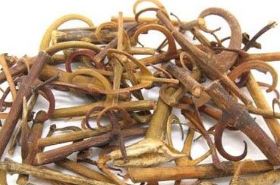
Composition: Sophora flavescens (苦参), Phellodendron chinense (黄柏), Alum (明矾), and Cnidium monnieri (蛇床子), each 15 grams, along with Sulfur (硫黄), 5 grams.
Preparation and Usage: The herbs are decocted in water to create a liquid. This solution is then used as an external wash on the affected areas of the skin. Regular application can help to reduce inflammation, control oiliness, and relieve itching.
Key Indications: Seborrheic dermatitis.
Why This Herbal Wash Matters for Skin Health
Each ingredient in this herbal wash plays a crucial role. Sophora flavescens (Ku Shen) is widely recognized in TCM for its anti-inflammatory, anti-pruritic, and anti-allergic properties, making it excellent for various skin diseases (PMID: 35056976). Phellodendron chinense (Huang Bai) also possesses strong anti-inflammatory and antibacterial effects, which are beneficial for inflamed skin (PMID: 25166299). Alum (Ming Fan) is known for its astringent and antiseptic qualities, helping to dry dampness and reduce exudation. Cnidium monnieri (She Chuang Zi) further contributes with its anti-pruritic and antifungal actions. Sulfur (Liu Huang) is a classic dermatological agent known for its keratolytic and antiseptic properties, helping to shed dead skin cells and combat microbial growth. Together, these ingredients provide comprehensive care for irritated and inflamed skin, offering relief from the persistent symptoms of seborrheic dermatitis.
Always remember that while these traditional remedies offer promising avenues for relief, individual responses can vary. Consulting a qualified TCM practitioner is always recommended to ensure the most appropriate and safe treatment plan for your specific condition.
For informational purposes only. Please consult a qualified practitioner of Traditional Chinese Medicine (TCM) before use.
Feeling Uncomfortable? Here’s a Quick Check and Relief Combo!
If you’re experiencing:
1. Persistent anal itching or discomfort:
→ Immediately: Consider a warm sitz bath for 10-15 minutes to soothe the area.
2. Swelling or pain around the anus:
→ Immediately: Gently cleanse the area with mild soap and water, pat dry, then apply a thin layer of Jade Dew Cream.
3. Flaky, red, or itchy patches on your skin, especially on the face or scalp:
→ Immediately: Prepare a cool compress or a gentle herbal wash (like the one described above) for temporary relief.
For sustained relief and personalized guidance, please consult a qualified Traditional Chinese Medicine practitioner.