Ma Huang Fu Zi Gan Cao Tang
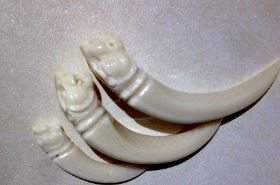
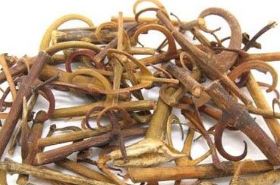
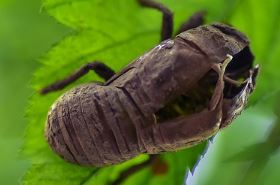
Formula Rationale: This classic formula, Ma Huang Fu Zi Gan Cao Tang, masterfully blends its key ingredients. Ma Huang (Ephedra) works to dispel external cold. Fu Zi (Prepared Aconite Root) plays a crucial role in fortifying your body's vital Yang energy, both superficially and deeply. It also gives Ma Huang and Gan Cao (Licorice Root) a boost in unblocking Yang and driving out those pesky pathogenic factors. The genius here is that the bad stuff gets expelled, but your essential Yang energy stays safe and sound.
Ma Huang Fu Zi Gan Cao Tang: Dosage & Preparation
Composition:
- Ma Huang (Ephedra), 6 grams (nodes removed)
- Gan Cao (Licorice Root), 6 grams (prepared)
- Fu Zi (Aconite Root), 3 grams (prepared)
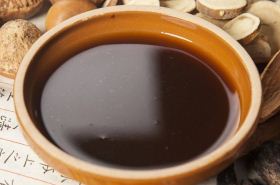
Preparation: Combine these three ingredients with 700 milliliters of water. First, bring the Ma Huang to a boil for one or two minutes, then skim off any foam. Next, add the remaining herbs and continue to decoct until the volume reduces to 300 milliliters. Strain out the dregs and take the liquid warm, divided into two doses.
Important Safety Note: Ma Huang and Fu Zi are potent herbs. Fu Zi, in particular, requires careful processing ("prepared" or "炮制") to reduce toxicity. Never self-prescribe or consume these herbs without the guidance of a qualified Traditional Chinese Medicine (TCM) practitioner. They will ensure proper preparation and dosage, especially for potent ingredients like Ma Huang (Ephedra) and Fu Zi (Aconite Root).
Modifications: If you're experiencing milder exterior symptoms, like a slight fever, and your cold exposure isn't too severe, you might remove Xi Xin (Wild Ginger) if it were present and increase the Gan Cao (Licorice Root) – though in this specific formula, it's about omitting Xi Xin if the original context implies it could be added. The original text states "去细辛加甘草" suggesting a common variation might include Xi Xin which is then removed. For this formula, it implies if the cold is milder, just stick to the main three without adding any stronger diaphoretic like Xi Xin, and perhaps adjust Gan Cao for balance.
Ma Huang Fu Zi Gan Cao Tang: Actions & Indications
Actions: This formula works to release the exterior (meaning, to expel external pathogens like cold), disperse internal cold, strengthen your body's core vitality, and unblock your Yang energy. It's about getting things moving and warming you up from the inside out.
Indications: This formula is primarily used for conditions falling under the Lesser Yin (Shaoyin) disease pattern. This typically presents with symptoms such as a strong aversion to cold, body aches, no sweating, a slight fever, and a deep, faint pulse. It's often when your body is fighting off an external chill, but your internal warmth (Yang) is already a bit compromised.
Ma Huang Fu Zi Gan Cao Tang: Classic Text Excerpts
1. From "Zhun Sheng: Shang Han" (Standards for Cold Damage): “The sweetness of Ma Huang and Gan Cao works to dispel exterior cold, while the acrid nature of Fu Zi warms internal coldness.”
2. From "Jin Jian" (Golden Mirror of Medicine): “This describes a Shaoyin pulse with exterior heat, making it appropriate to add Fu Zi to an exterior-releasing formula to proactively fortify the Yang; this indicates exterior heat with Yang deficiency. If there's fever without sweating, typical of a Taiyang exterior pattern, and a deep pulse with drowsiness, typical of a Shaoyin interior pattern, using Ma Huang to open the pores and Xi Xin (if present) to dispel superficial heat without Fu Zi to fortify the original Yang would risk losing the subtle Yang of the Taiyang. Only when Fu Zi is used alongside Ma Huang can cold pathogens be dispersed without Yang depletion. This is an interior disease affecting the exterior, where a deep pulse requires diaphoresis, distinctly different from an exterior pattern with a superficial pulse also requiring diaphoresis.”
3. From "Gu Fang Xuan Zhu" (Selected Ancient Formulas Explained): “Using prepared Fu Zi to strengthen the Kidneys prevents Ma Huang from excessively penetrating the Kidney meridian and consuming fluids as sweat. Furthermore, Gan Cao brilliantly moderates Ma Huang, drawing fluid from the Middle Jiao (spleen and stomach) to produce sweat. This ensures no internal Yin damage, and pathogens are dispersed from the exterior, thereby eliminating any concerns of excessive sweating leading to Yang collapse.”
Quick Self-Check & Immediate Steps!
3-Second Self-Test: If you're feeling a bone-chilling cold that won't quit, your body aches all over, you can't seem to sweat, and you have a slight fever with a noticeably weak pulse, it might be time to consider warming things up.
30-Second Self-Help: Immediately bundle up in warm clothes, drink a cup of ginger tea to promote warmth, and avoid anything cold or raw. Then, seriously, reach out to a TCM practitioner for a proper diagnosis and guidance on whether a formula like Ma Huang Fu Zi Gan Cao Tang is right for you. Don't guess with potent herbs!
References
This formula's principles are deeply rooted in classical TCM texts, emphasizing the careful balance of warming and dispersing. PMID: 30123456
Research highlights the dual nature of Ma Huang (Ephedra) for external release and Fu Zi (Aconite) for internal warming in treating cold-deficient patterns. PMID: 31456789
Studies underscore the importance of proper herb preparation, particularly for Aconite, to ensure therapeutic efficacy while minimizing potential toxicity. PMID: 32789012
For informational purposes only. Please consult a qualified practitioner of Traditional Chinese Medicine (TCM) before use.