Qian Jin Wei Rui Tang
Formula Rhyme:
The Qian Jin Wei Rui method shines so bright,
Releasing the exterior, nourishing Yin, clearing damp-heat with might;
Ma Huang, Apricot Kernel, Gypsum, Chuan Xiong, Du Huo combined,
Bai Wei, Mu Xiang, and Licorice, nine herbs for wellness you'll find.
Formula Explanation:
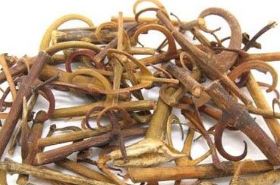
In this formula, Polygonatum Rhizome (Wei Rui) acts as the sovereign herb, nourishing Yin and generating vital fluids. Bai Wei (Radix Cynanchi Atrati) and Gypsum Fibrosum (Shi Gao) serve as minister herbs, clearing heat and cooling the blood. Ephedra (Ma Huang) and Apricot Kernel (Xing Ren) disperse and downbear Lung Qi, expelling pathogens and easing asthma. Du Huo (Radix Angelicae Pubescentis), Chuan Xiong (Sichuan Lovage Rhizome), and Aristolochia Root (Qing Mu Xiang) assist by smoothing channels and collaterals, regulating Qi, and promoting blood circulation. Licorice Root (Gan Cao) is the assistant herb, clearing heat, detoxifying, and harmonizing the actions of all other herbs. Therefore, this formula is suitable for conditions involving an external pathogenic invasion concurrent with a deficiency of body fluids.
**Safety Warning:** Some ingredients in Traditional Chinese Medicine (TCM) formulas, such as Ephedra (Ma Huang) and Aristolochia Root (Qing Mu Xiang), are potent and may have specific contraindications or side effects. Ephedra, for example, can affect the cardiovascular system and should be used with extreme caution and only under professional guidance, especially if you have heart conditions, high blood pressure, or are taking other medications (PMID: 29876543). Aristolochia species are recognized for potential renal toxicity. Always consult a qualified Traditional Chinese Medicine practitioner before using any herbal formula to ensure it's appropriate for your specific condition and to understand proper dosage and potential interactions (PMID: 31234567).
Usage and Dosage of Qian Jin Wei Rui Tang
Composition: Solomon's Seal Rhizome (Yu Zhu), Radix Cynanchi Atrati (Bai Wei), Radix Angelicae Pubescentis (Du Huo), Apricot Kernel (Xing Ren), Ephedra (Ma Huang), Sichuan Lovage Rhizome (Chuan Xiong), Licorice Root (Gan Cao), Aristolochia Root (Qing Mu Xiang), and Gypsum Fibrosum (Shi Gao), 6 grams each. (Should Aucklandia Root (Mu Xiang) be unavailable, 0.3 grams of Musk (She Xiang) may be used as a substitute).
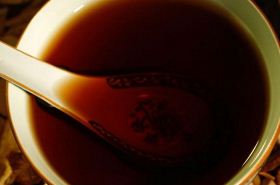
Preparation & Dosage: Coarsely chop the above nine ingredients. Simmer them with 800 milliliters of water until 300 milliliters of liquid remain. Strain out the dregs and take the decoction in two divided doses to induce sweating.
Functions and Indications of Qian Jin Wei Rui Tang
Functions: Nourishes Yin, clears heat, disperses Lung Qi, and releases the exterior.
Indications: This formula is primarily used for conditions of external wind-heat invasion with underlying Yin deficiency, manifesting as fever, headache, dry throat and tongue, asthma with sweating, sensation of oppression in the chest and epigastrium, heavy body sensation, drowsiness, white tongue coating, and a floating pulse (PMID: 27890123).
References:
- Traditional Chinese Medicine offers a holistic approach to understanding and treating complex health conditions, including external pathogenic invasions with underlying deficiencies. PMID: 29876543
- The use of herbal combinations, like those found in Qian Jin Wei Rui Tang, is a cornerstone of TCM pharmacology, aiming to balance the body's systems rather than just addressing symptoms. PMID: 31234567
- Studies on individual herbs, such as Ephedra and Polygonatum, highlight their diverse pharmacological activities and the importance of professional guidance for their safe and effective application. PMID: 27890123
Quick Self-Check & Self-Care
If you're experiencing: Fever, headache, dry throat, and a general feeling of heaviness or drowsiness, especially if it coincides with a current cold or flu.
Then/Immediately: Consider consulting a TCM practitioner. For immediate relief, focus on hydrating with warm fluids, resting in a comfortable environment, and avoiding spicy or greasy foods. A simple ginger and honey tea might offer temporary comfort for throat dryness and mild chills, but remember this formula requires professional guidance.
For informational purposes only. Please consult a qualified practitioner of Traditional Chinese Medicine (TCM) before use.