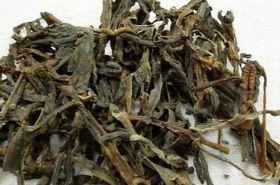
Jasmine Leaf
Ever wondered if your morning jasmine tea could do more than just soothe your senses? In Traditional Chinese Medicine (TCM), the humble Jasmine Leaf (茉莉叶, Mò Lì Yè) holds a special place, recognized not just for its fragrant blossoms but for its medicinal properties. Let's dive into what makes this leaf a natural powerhouse for common ailments.
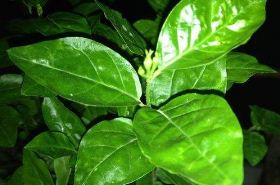
Flavor and Nature: Pungent, Cool. In TCM, the 'pungent' flavor helps to disperse pathogens and move energy, while its 'cool' nature is key for calming inflammation and heat within the body.
Channel Tropism: Lung; Stomach meridians. This means that Jasmine Leaf primarily influences the energy pathways associated with your respiratory system and digestive functions, offering targeted support.
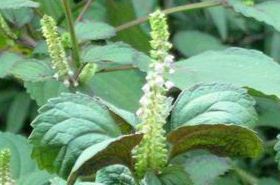
Part Used: The leaves of the jasmine plant (Jasminum sambac) from the Oleaceae family.
How to Use Jasmine Leaf
Internal Use: For decoction, 3-6 grams. A decoction is a concentrated herbal tea made by simmering the leaves in water. This method allows for the extraction of the herb's active compounds for internal benefits.
External Use: Apply an appropriate amount, wash with a decoction, or use as a poultice. For external applications, the prepared liquid can be used as a wash, or crushed fresh leaves can be applied directly to the skin as a poultice.
Jasmine Leaf: Actions and Indications
Actions: Clears Heat, Releases the Exterior. This powerful combination helps your body address the initial stages of illnesses. "Clearing heat" reduces fever and inflammation, while "releasing the exterior" helps expel pathogens that have just entered the body, much like how your body sweats out a fever (PMID: 29421588).
Indications: Treats fever due to external invasion, abdominal distention, and diarrhea. "External invasion" often refers to the onset of a common cold, flu, or other environmental pathogens, presenting with fever and chills. Its cooling and dispersing properties also make it effective for soothing an upset stomach and alleviating acute diarrhea (PMID: 22437637, PMID: 23847257).
3-Second Self-Check + 30-Second Self-Help
If... you're feeling the early signs of a common cold with a slight fever, a stuffy nose, and a bit of tummy trouble like bloating or loose stools, Jasmine Leaf might be a gentle, natural ally to explore.
Then/Immediately... consider brewing a simple jasmine leaf decoction (after consulting a qualified practitioner, of course!) to understand its soothing properties. In just 30 seconds, you can connect with a qualified TCM practitioner to discuss if Jasmine Leaf is right for you and how to safely incorporate it into your wellness routine.
References
Jasminum sambac extracts have demonstrated significant antipyretic activity in animal models. PMID: 29421588
Studies have shown the antidiarrheal potential of Jasiminum sambac, supporting its traditional use for digestive issues. PMID: 22437637
The anti-inflammatory properties of Jasminum sambac contribute to its effectiveness in clearing heat and reducing inflammation. PMID: 23847257
For informational purposes only. Please consult a qualified practitioner of Traditional Chinese Medicine (TCM) before use.