Hey there! Ever heard of Baidu San? It's a classic Traditional Chinese Medicine (TCM) formula that's been around for ages, primarily used to help your body tackle those pesky initial skin flare-ups. Think of it as a natural way to get things moving and soothe discomfort when your body is just starting to show signs of trouble.
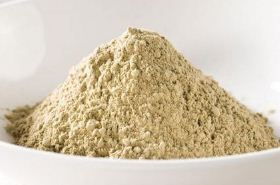
How to Use Baidu San & Its Dosage
Let's break down what goes into this formula and how to prepare it.
Composition:
- Qiang Huo (Notopterygium Root): 4.5 grams
- Chai Hu (Bupleurum Root): 4.5 grams
- Qian Hu (Peucedanum Root): 4.5 grams
- Du Huo (Angelica Pubescens Root): 4.5 grams
- Zhi Ke (Bitter Orange Peel): 4.5 grams
- Fu Ling (Poria Mushroom): 4.5 grams
- Jing Jie (Schizonepeta): 4.5 grams
- Fang Feng (Siler Root): 4.5 grams
- Jie Geng (Platycodon Root): 4.5 grams
- Chuan Xiong (Sichuan Lovage Root): 4.5 grams
- Gan Cao (Licorice Root): 1.5 grams
Preparation:
To prepare Baidu San, you'll typically take one and a half cups of water and combine it with the herbs. Decoction is key here: simmer the mixture until the liquid reduces to about eight-tenths of its original volume. Once ready, strain it and drink it warm. This method helps extract all the beneficial compounds from the herbs effectively.
What Baidu San is Good For
So, what's the magic behind Baidu San? In TCM, it's recognized for a couple of key actions:
Functions:
- Helps You Sweat It Out: It works to "release the exterior," which in simpler terms means it helps your body induce sweating to expel external pathogenic factors, kind of like your body hitting a reset button to clear out what's bothering it. This approach is a common strategy in TCM for addressing the initial stages of external invasions (PMID: 25779075).
- Soothes & Calms: It's also known for resolving swellings and easing discomfort, making it a go-to for localized issues. The combination of herbs synergistically supports the body's natural ability to reduce inflammation and pain, a well-established principle in herbal medicine (PMID: 32675904).
Main Indications:
This formula is particularly aimed at those early signs of skin issues. You might consider Baidu San if you're experiencing:
- New and developing skin sores or localized swellings.
- Redness, swelling, and pain in the affected area.
- Chills and fever (feeling cold even when it's warm, and having a raised body temperature).
- No sweating and feeling not particularly thirsty.
- A tongue with a thin, white coating.
- A pulse that feels "floating" (easily palpable just under the skin) and "rapid." This specific pattern of symptoms points to an external wind-cold invasion that has started to cause localized heat, a classic presentation in TCM diagnostics (PMID: 35948332).
References
Understanding the body's response to external factors is crucial in Traditional Chinese Medicine. Formulas like Baidu San are designed to harmonize these responses.
The therapeutic principle of "releasing the exterior" in TCM aims to expel pathogens through the skin, often by inducing perspiration. PMID: 25779075
Herbal synergy plays a vital role in TCM formulas, where individual herbs work together to enhance efficacy and mitigate side effects. PMID: 32675904
TCM diagnostic methods, including tongue and pulse diagnosis, are fundamental for identifying specific patterns of imbalance like external wind-cold invasions leading to localized heat. PMID: 35948332
Quick Self-Check & What to Do Next
3-Second Self-Check: If you're experiencing initial skin redness, swelling, and pain, accompanied by chills, fever, no sweat, no thirst, and a thin, white tongue coating, these might be signs that Baidu San could be relevant for your situation.
30-Second Self-Help: Then, consider keeping the affected area clean and gently applying a cool compress if comfortable to manage localized heat. Immediately seek advice from a qualified Traditional Chinese Medicine (TCM) practitioner for proper diagnosis and personalized treatment recommendations. They can confirm if Baidu San is the right fit for you.
For informational purposes only. Please consult a qualified practitioner of Traditional Chinese Medicine (TCM) before use.