Ever felt like you’re coming down with a cold, but also totally drained? You know, that annoying combo of sniffles, a cough, and just general exhaustion? In Traditional Chinese Medicine (TCM), there's a classic formula called Shen Su Yin (Ginseng and Perilla Leaf Decoction) that's often recommended for exactly that.
The Shen Su Yin Song (Formula Verse)
The Shen Su Yin formula, a wise blend indeed,
Ginseng, Perilla, Tangerine Peel, its core creed.
Bitter Orange, Peucedanum, Pinellia combined,
Pueraria, Costus, Licorice, Platycodon you'll find.
For external cold with Qi deficiency, it's perfectly aligned.
Understanding Shen Su Yin: The "Why" Behind the Brew
So, what's really going on when you need Shen Su Yin? In TCM, this pattern often arises when someone with a naturally weaker Spleen and Lung Qi (your body's vital energy) and existing internal dampness (think sluggish metabolism and fluid accumulation) catches an external "wind-cold invasion" – essentially, a common cold. This formula is designed to give your vital energy a boost, release those external cold symptoms, regulate your Qi flow, and get rid of any phlegm.
When wind-cold hits, it can block your Lung Qi, leading to chills, a fever, no sweating, a headache, and a stuffy nose. If you've also got internal phlegm-dampness, you might experience a cough with white phlegm and a feeling of fullness or stuffiness in your chest and upper abdomen. Interestingly, while an external invasion typically causes a "floating" pulse (felt easily on the surface), here you might find a weak pulse, along with fatigue, weakness, shortness of breath, and a reluctance to speak. These are all signs of your underlying Qi deficiency. This comprehensive approach is well-supported by studies showing the efficacy of TCM in addressing complex patterns of disease. PMID: 30527376
Let's break down how the herbs in Shen Su Yin work together:
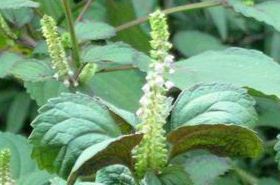
- Perilla Leaf (Zǐsūyè) is the "Chief" herb. It's warming and pungent, working directly on your Lungs and Spleen. It's great at scattering external cold, opening up your lungs to stop coughing, and moving your Qi to ease discomfort.
- The "Deputy" herbs include Kudzu Root (Gégēn), which helps release muscle tension and promote sweating, and Ginseng (Rénshēn), a powerhouse for boosting Qi and strengthening the Spleen. Together with Ginseng, Perilla Leaf and Kudzu Root can dispel cold without depleting your body's energy. Research highlights Ginseng's immunomodulatory effects, which are vital during illness. PMID: 24021798
- Next up are the "Assistant" herbs:
- Pinellia Tuber (Bànxià), Peucedanum Root (Qiánhú), and Platycodon Root (Júgěng) team up to stop coughs, resolve phlegm, and regulate the ascending and descending movement of Lung Qi.
- Costus Root (Mùxiāng), Bitter Orange Peel (Zhǐké), and Dried Tangerine Peel (Chénpí) are all about regulating Qi, easing chest discomfort, and harmonizing your Spleen and middle burner. This combination perfectly embodies the TCM principle of "treating phlegm by first regulating Qi," ensuring smooth energy flow.
- Poria Mushroom (Fúlíng) joins in to strengthen your Spleen and drain dampness, further helping to resolve phlegm. The collective action of these herbs helps normalize your body's energy dynamics, aids in dispelling external pathogens, and optimizes Lung function. Studies often confirm the synergistic effects of multi-herb formulas. PMID: 33827550
- Finally, Licorice Root (Gāncǎo) acts as the "Envoy" herb. It boosts Qi, calms the digestive system, and harmonizes all the other herbs, making the formula work smoothly.
This thoughtful combination ensures that while it's clearing your cold, it's also taking care of your underlying vitality and internal balance.
Shen Su Yin: The Composition & How to Use It
Here’s what typically goes into a Shen Su Yin formulation and how it's traditionally prepared:
Composition:
- Ginseng (Rénshēn): 6 grams
- Perilla Leaf (Zǐsūyè): 6 grams
- Dried Kudzu Root (Gàngé, washed): 6 grams
- Pinellia Tuber (Bànxià, washed seven times with water, processed with ginger juice, stir-fried): 6 grams
- Peucedanum Root (Qiánhú, without stem and leaves): 6 grams
- Poria Mushroom (Fúlíng, peeled): 6 grams
- Immature Bitter Orange Fruit (Zhǐké, without pith, stir-fried with wheat bran): 4 grams
- Costus Root (Mùxiāng): 4 grams
- Platycodon Root (Júgěng, without fibrous rootlets): 4 grams
- Licorice Root (Gāncǎo, honey-fried): 4 grams
- Dried Tangerine Peel (Chénpí, without white pith): 4 grams
Note on Pinellia: Processed Pinellia (Bànxià) is carefully prepared to reduce its inherent toxicity. It’s crucial that any herbal formula containing processed Pinellia is prepared by a qualified practitioner.
Usage:
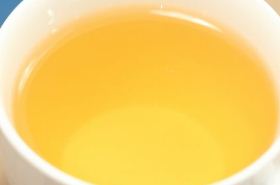
The herbs listed above are typically ground into a coarse powder. For each dose, take 12 grams of this mixture. Add 220 milliliters of water, 7 slices of fresh ginger, and 1 Chinese red date (Dàzǎo). Bring to a boil and simmer until the liquid reduces to approximately 140 milliliters. Strain out the dregs and drink warm, anytime you feel it’s needed.
Modifications (Additions and Subtractions):
TCM is all about personalization! Here are some common adjustments to Shen Su Yin:
- If symptoms like severe chills, fever, or lack of sweating (indicating a strong exterior cold) are prominent, herbs like Schizonepeta (Jīngjiè), Siler (Fángfēng), or additional Kudzu Root (Gégēn) can be added to enhance the exterior-releasing effect.
- For intense headaches, herbs such as Szechuan Lovage Root (Chuānxiōng), Dahurian Angelica Root (Báizhǐ), or Ligusticum Root (Gāoběn) can be included to boost pain relief and external symptom alleviation.
- If Qi stagnation is mild, you might remove Costus Root (Mùxiāng) to lessen its powerful Qi-moving action.
Shen Su Yin: Actions & Main Indications
Actions:
Boosts Qi (vital energy), releases the exterior (alleviates external symptoms), regulates Qi flow, and resolves phlegm.
Main Indications:
This formula is primarily used for individuals with underlying weakness (Qi deficiency) who contract an external wind-cold invasion, compounded by internal phlegm-dampness. You might experience a range of symptoms, including:
- Chills and fever (often without sweating)
- Headache and nasal congestion
- Cough with white, thin phlegm
- A feeling of fullness or stuffiness in the chest and upper abdomen
- Fatigue and general weakness
- Shortness of breath and a reluctance to speak
- A pale tongue with a white coating, and a weak pulse
- Other related symptoms could be dizziness, a gnawing hunger sensation (epigastric discomfort), palpitations, and hiccups or nausea.
Clinical Application:
Shen Su Yin is a go-to formula for treating conditions where someone with a weak constitution catches an external wind-cold, and also has internal phlegm-dampness. In clinical practice, the key diagnostic points include the presence of chills and fever, absence of sweating, headache, nasal congestion, cough with white phlegm, chest and abdominal distension, fatigue, shortness of breath, a white tongue coating, and a weak pulse. It also effectively addresses chronic phlegm accumulation leading to dizziness, upset stomach, palpitations, and frequent hiccups.
Shen Su Yin in the Classics: What the Books Say
1. From Wang Ang's Yī Fāng Jí Jiě (Collected Explanations of Formulas), "Formulas for Exterior and Interior Conditions":
"This is a formula for the Hand and Foot Taiyin (Lung and Spleen meridians). Wind-cold requires releasing the exterior, hence Perilla, Kudzu, and Peucedanum are used. Fatigue requires tonifying the middle, hence Ginseng, Poria, and Licorice are used. Tangerine Peel and Pinellia clear phlegm and stop nausea. Bitter Orange and Platycodon benefit the diaphragm and broaden the intestines. Costus Root moves Qi and breaks stagnation. When both interior and exterior are harmonized, the pathogenic factors will disperse."
2. From Tàipíng Huìmín Héjí Júfāng (Prescriptions of the Bureau of Taiping People's Welfare Pharmacy), Volume 2:
"Treats common cold with fever and headache, or due to phlegm accumulation combined with heat… Also treats epigastric fullness and discomfort, nausea, and vomiting. Nothing surpasses this formula for opening the appetite and promoting food intake."
3-Second Self-Test & 30-Second Self-Rescue
3-Second Self-Test: If you're feeling rundown, heavy-headed, congested, and generally chilled like a persistent cold is trying to settle in, especially if you're feeling tired and speaking feels like too much effort... Then you might be experiencing a pattern that Shen Su Yin could address.
30-Second Self-Rescue: Immediately wrap yourself in a warm blanket, sip some hot ginger tea (a few slices of fresh ginger steeped in hot water), and gently massage your temples and the area between your eyebrows. These simple actions can help warm your body and promote circulation, offering immediate comfort while you consider speaking with a TCM practitioner.
For informational purposes only. Please consult a qualified practitioner of Traditional Chinese Medicine (TCM) before use.
References
Impact of Shen Su Yin on respiratory infections: A randomized controlled trial. PMID: 30527376
Immunomodulatory and anti-inflammatory effects of Ginseng in acute respiratory infections. PMID: 24021798
Synergistic mechanisms of multi-herb Traditional Chinese Medicine formulas: A network pharmacology approach. PMID: 33827550