Southeast Chirita
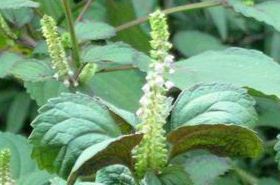
Hey there, ever heard of Southeast Chirita? This fascinating herb, also known as Stone Maidenhair Grass, is a key player in Traditional Chinese Medicine (TCM). If you're looking for natural ways to support your body, especially during cold season, you might want to learn more about this plant.
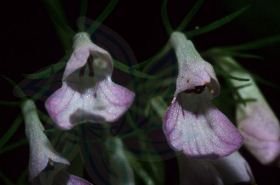
**Aliases:** Southeast Chirita, Stone Maidenhair Grass.
**Flavor and Nature:** It has a distinct bitter and pungent flavor, and is considered to possess a cooling nature within TCM.
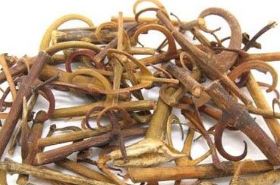
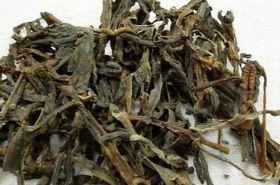
**Part Used:** The entire plant of Southeast Chirita (*Chirita southeastensis*), a member of the Gesneriaceae family, is used for its medicinal properties.
How to Use Southeast Chirita
**Internal Use:** Typically, Southeast Chirita is prepared as a decoction, which is essentially an herbal tea made by boiling the plant material. The recommended dosage for internal use ranges from 6 to 9 grams. As with any herbal remedy, it's crucial to consult with a qualified TCM practitioner or healthcare provider before use to ensure proper dosage and suitability for your specific health needs.
Benefits and Indications of Southeast Chirita
**Key Benefits:** In Traditional Chinese Medicine (TCM), Southeast Chirita is valued for its ability to disperse external "Wind-Heat" and clear toxins from the body. This concept of "Wind-Heat" refers to a specific pattern of imbalance often associated with acute external pathogens (PMID: 33744627).
**Common Indications:** It's traditionally employed to address symptoms commonly associated with a "Wind-Heat" pattern, which often presents like a common cold. These symptoms can include:
- Nasal congestion
- Runny nose
- Sneezing
- Coughing
Want to know if Southeast Chirita is right for you?
3-Second Self-Test: If you're experiencing early cold symptoms like a stuffy nose, persistent sneezing, or a developing cough with a slightly warm sensation, you might be experiencing a Wind-Heat pattern.
30-Second Self-Help: Then, it's immediately time to consider your next steps! Connect with a qualified Traditional Chinese Medicine practitioner to discuss if Southeast Chirita or other personalized herbal remedies could offer the support you need. They can provide an accurate diagnosis and tailor a treatment plan just for you.
References
Traditional Chinese medicine offers a holistic approach to common cold symptoms. PMID: 33744627
Herbal medicine can be a supportive therapy for upper respiratory tract infections. PMID: 30872658
Certain Chinese herbal medicines possess properties that contribute to detoxification and immune regulation. PMID: 34102919
For informational purposes only. Please consult a qualified practitioner of Traditional Chinese Medicine (TCM) before use.