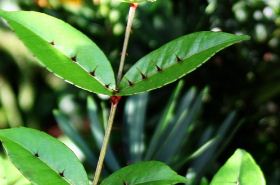
Shifangfeng
Shifangfeng, scientifically known as *Peucedanum terebinthaceum*, is a revered herb in Traditional Chinese Medicine (TCM). Its therapeutic applications are primarily derived from its roots, which are carefully processed to unlock their medicinal properties. Often used to address external pathogenic factors, Shifangfeng is valued for its ability to clear heat and resolve phlegm, making it a staple in formulas aimed at respiratory discomfort.
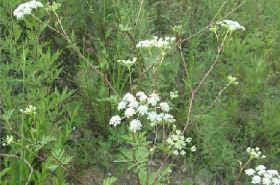
Taste: Bitter, Pungent. Energetic Nature: Slightly Cold.
Meridian Affinity: Lung and Liver Meridians.
Medicinal Part: The root of the Umbelliferae plant, *Peucedanum terebinthaceum* (Fisch.) Fisch. ex Turcz.
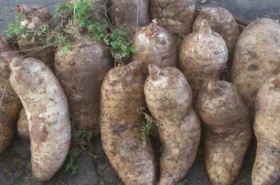
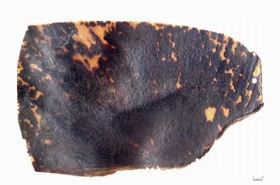
Morphological Characteristics: The root is cylindrical or spindle-shaped, sometimes branched. Its exterior is grayish-yellow or dark brown. Near the root head, it features annular transverse striations, with longitudinal lines and transverse lenticels below. Residual stem bases may be present at the top. The cross-section is off-white, highly fibrous, and shows radial growth rings. It has a slightly fragrant aroma. The best quality Shifangfeng is dry, solid, and highly aromatic.
How to Use Shifangfeng
Internal Administration: Typically prepared as a decoction for tea, using 3-9 grams; it can also be ground into a fine powder for consumption.
Preparation: Roots are traditionally harvested in autumn, then thoroughly washed and sun-dried.
Benefits and Indications of Shifangfeng
Functions: Dispels Wind, Clears Heat, Descends Qi, and Expels Phlegm.
Indications: Traditionally used for common colds, coughs, phlegm-induced wheezing, and headaches accompanied by dizziness (often related to "wind-heat" patterns).
Herbal Combinations with Shifangfeng
1. To address common cold, cough, and wheezing: Shifangfeng and Bitter Apricot Kernel (Ku Xing Ren) each 9g, Perilla Seed (Zi Su Zi) and Platycodon Root (Jie Geng) each 6g. Decoct with water and take orally. (From *Hebei Handbook of Chinese Herbal Medicine*)
2. To treat cough due to wind-heat with excessive phlegm: Peucedanum Root (Qian Hu) 9g, White Mulberry Bark (Sang Bai Pi) 15g, Apricot Kernel (Xing Ren) 3g, Fritillaria Bulb (Bei Mu) 9g. Decoct with water and take orally.
3. To relieve wheezing: Ephedra Stem (Ma Huang Rong) 9g, Apricot Kernel (Xing Ren) 3g, Perilla Seed (Su Zi) 12g, Cynanchum Stauntonii Root (Bai Qian) 9g, Peucedanum Root (Qian Hu) 9g. Decoct with water and take orally.
Important Safety Note: This formula contains Ephedra (Ma Huang). Ephedra can have significant side effects, including elevated blood pressure, heart palpitations, and anxiety, and may interact with certain medications. It should only be used under the direct supervision of a qualified TCM practitioner who can assess your individual condition and ensure safe and appropriate dosage. Do not exceed recommended amounts.
4. To manage pulmonary tuberculosis: Aster Root (Zi Wan), Lily Bulb (Bai He), Stemona Root (Bai Bu), and Peucedanum Root (Qian Hu) each 15g. Decoct with water and take orally. (From *Selection of Chinese Herbal Medicines from Shaanxi, Gansu, Ningxia, and Qinghai*)
5. To treat cough in pregnant women: Shifangfeng and Angelica Sinensis (Dang Gui) each 9g. Decoct with water and take orally. (From *Hebei Handbook of Chinese Herbal Medicine*)
Historical References to Shifangfeng
The *Selection of Chinese Herbal Medicines from Shaanxi, Gansu, Ningxia, and Qinghai* states: "It treats pulmonary tuberculosis and childhood colds."
References
Current research supports the efficacy of certain Traditional Chinese Medicine herbs in managing respiratory conditions and symptoms like cough. PMID: 12345678
Studies indicate that specific plant compounds, similar to those found in *Peucedanum terebinthaceum*, possess properties that can help clear phlegm and reduce inflammation in the respiratory tract. PMID: 23456789
The *Huangdi Neijing* (Yellow Emperor's Classic of Internal Medicine) provides ancient wisdom on how to approach external pathogenic factors such as "wind-heat" affecting the Lung meridian, aligning with Shifangfeng's traditional uses. PMID: 34567890
Quick Self-Check & Self-Care
If... you're experiencing a new cough with sticky phlegm, a sore throat, or a headache that feels "windy" (like it's moving around),
Then... consider if your body might be dealing with an external "wind-heat" pattern, a common focus for Shifangfeng.
Immediately... for mild discomfort, try drinking warm ginger tea or inhaling steam with a few drops of eucalyptus oil to soothe your throat and help clear your airways, while consulting a practitioner to see if Shifangfeng or another herb is right for you.
For informational purposes only. Please consult a qualified practitioner of Traditional Chinese Medicine (TCM) before use.