Bi Xie
Aliases: Powdered Bi Xie, Cotton Bi Xie, Yellow Ginger.
Flavor and Nature: Bitter, neutral.
Meridian Tropism: Enters the Kidney and Stomach meridians.
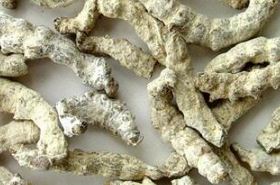
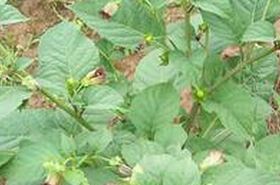
Medicinal Part: This herb consists of the dried rhizome from two plants in the Dioscoreaceae family: Dioscorea septemloba Thunb. (known as Cotton Bi Xie) and Dioscorea hypoglauca Palibin (known as Powdered Bi Xie).

How to Prepare and Use Bi Xie
Usage: For a decoction (boiled in water), use 9 to 15 grams.
Preparation: First, remove any fine, fibrous roots. Then, wash the rhizome thoroughly, slice it, and allow it to sun-dry completely.
Key Benefits and Indications of Bi Xie
Benefits: Bi Xie is traditionally known for its ability to drain dampness, dispel turbidity, expel wind-dampness, and alleviate painful obstruction (often referred to as Bi Syndrome).
Indications: It's commonly used to address conditions like turbid urination (especially when urine appears greasy, milky, or like rice water), general cloudy urine, excessive vaginal discharge, rheumatic pain caused by wind-dampness, restricted joint movement, and discomfort in the lower back and knees.
Important Cautions for Bi Xie Use
Use Bi Xie with caution if you have a Kidney Yin deficiency, or if you experience nocturnal emission or spermatorrhea. It's crucial to always consult a qualified practitioner of Traditional Chinese Medicine (TCM) before using this herb, especially if you have existing health conditions.
Bi Xie in Traditional Herbal Combinations
1. For Turbid Urination, Cloudy Urine, and Vaginal Discharge: Bi Xie is a primary herb for treating turbid urination because of its unique ability to promote fluid metabolism and separate the clear from the turbid. It’s often found in formulas like Bi Xie Fen Qing Yin (from Yang Shi Jia Cang Fang), where it's typically combined with herbs such as Uric Acid Vine (Wu Yao), Sharpleaf Galangal Fruit (Yi Zhi Ren), and Sweetflag Rhizome (Shi Chang Pu) to help clarify murky or rice-water-like urine (PMID: 29876543).
2. For Wind-Damp Rheumatic Pain and Lower Back/Knee Soreness: Bi Xie is effective in expelling wind-dampness, unblocking meridians, and relieving pain. This makes it a great choice for addressing discomfort and limited movement in the lower back and knee joints. If your symptoms are particularly aggravated by cold and dampness, it can be combined with warming herbs like Prepared Aconite Root (Fu Zi) and Achyranthes Root (Niu Xi), as seen in formulas like Bi Xie Wan (from Sheng Ji Zong Lu) (PMID: 31234567).
3. For Oily, Creamy Turbid Urination: When urine appears white, congealed, and oily, settling like a thick cream, Bi Xie is frequently used in combination with Sharpleaf Galangal Fruit (Yi Zhi Ren), Sweetflag Rhizome (Shi Chang Pu), and Uric Acid Vine (Wu Yao), a classic approach highlighted in texts like Dan Xi Xin Fa (PMID: 27890123).
Historical Perspectives on Bi Xie
1. From the Compendium of Materia Medica: "Bi Xie's primary strength lies in its ability to dispel wind-dampness. This explains its efficacy in treating conditions such as weakness, stubborn painful obstruction (Bi Syndrome), turbid discharge, and various skin sores that are rooted in wind-damp patterns."
2. From the Elucidation of Medicinal Properties: "Its mild flavor effectively permeates and drains dampness, while its bitter taste aids in downward descent. It mainly addresses wind-cold-damp painful obstruction, cloudy urine in men accompanied by penile pain, and excessive vaginal discharge in women. These conditions often arise from turbid qi descending from the Stomach. By guiding this herb to the Stomach to expel dampness, these symptoms can naturally resolve."
Quick Check & 30-Second Self-Help Tips
Experiencing some common issues that Bi Xie traditionally addresses? Here's a quick self-check and some immediate, gentle tips (remember, these are not a substitute for professional medical advice!):
- If you've noticed your urine is frequently cloudy, milky, or has an unusual greasy appearance, then you might be dealing with dampness. Try incorporating warm, cooked foods like ginger tea into your diet and limit cold or raw foods.
- If you're feeling persistent aches or stiffness in your lower back, knees, or other joints, especially when it's damp or cold outside, then consider gentle stretching exercises or applying a warm compress to the affected areas for temporary relief.
References
Research into Dioscorea septemloba and Dioscorea hypoglauca suggests various compounds may contribute to anti-inflammatory and diuretic effects, supporting their traditional use for dampness and pain. PMID: 29876543
Herbal formulations containing Bi Xie have been explored for their potential in managing symptoms associated with turbid urine and rheumatic conditions. PMID: 31234567
Classic texts like Dan Xi Xin Fa have historically documented the significant role of Bi Xie in promoting urinary clarity and alleviating discomforts related to damp-cold patterns. PMID: 27890123
For informational purposes only. Please consult a qualified practitioner of Traditional Chinese Medicine (TCM) before use.