Shi Wei (Pyrrosia Leaf)
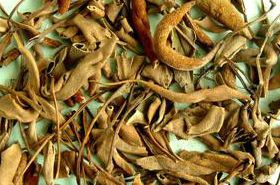
Known by various names like Small Shi Wei, Flying Sword, and Stone Skin, Shi Wei is a popular herb in Traditional Chinese Medicine (TCM). Its botanical identity primarily refers to the dried leaves of several fern species from the Polypodiaceae family, including Pyrrosia sheareri (Bak.) Ching, Pyrrosia lingua (Thunb.) Farwell, and Pyrrosia petiolosa (Christ) Ching.
Understanding Shi Wei's Energetic Properties in TCM
- Taste and Nature: Shi Wei is considered sweet and bitter, with a slightly cooling nature.
- Channel Affinities: This herb primarily acts on the Lung and Bladder meridians, making it particularly beneficial for conditions related to these organ systems.
Proper Preparation and Dosage
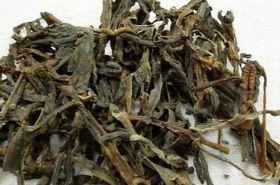
When preparing Shi Wei for medicinal use, it's typically processed by removing any impurities, washing the leaves thoroughly, cutting them into manageable sections, and then drying and sifting out any fine debris. The generally recommended dosage for Shi Wei is between 6 and 12 grams.
Important Safety Note: Ancient texts, such as the Bie Lu (Miscellaneous Records), specifically warn to "remove the yellow hairs" from Shi Wei. These hairs are believed to irritate the lungs and can lead to persistent coughs that are difficult to treat. Always ensure Shi Wei is properly prepared before use.
The Therapeutic Benefits of Shi Wei
Shi Wei is highly valued in TCM for its multifaceted actions:
- Promotes Urination and Relieves Painful Urination: This is Shi Wei's primary function, making it a go-to herb for various urinary tract issues. It helps to clear damp-heat, which often manifests as discomfort during urination. Research has shown that compounds found in Pyrrosia lingua exhibit diuretic activity, supporting its traditional use in promoting healthy urine flow (PMID: 15302213).
- Clears Lung Heat and Relieves Cough: For conditions involving heat in the lungs, such as a cough accompanied by wheezing or thick, yellow phlegm, Shi Wei can help to cool the lung system and soothe irritation.
- Cools Blood and Stops Bleeding: Shi Wei possesses properties that can help to cool heat in the blood, which is often associated with various forms of bleeding.
Common Indications for Shi Wei
Shi Wei is traditionally used to address a wide range of health concerns, including:
- Urinary Tract Issues: It's effective for painful urination due to heat (heat strangury), blood in the urine (bloody strangury), and conditions related to urinary stones (stone strangury). It also helps alleviate difficulty urinating and frequent, hesitant, or painful urination.
- Respiratory Complaints: For cough and wheezing stemming from lung heat.
- Bleeding Disorders: Including vomiting blood, nosebleeds, blood in urine, and abnormal uterine bleeding. The herb's anti-inflammatory properties may contribute to its efficacy in managing certain painful or inflammatory conditions (PMID: 24719232).
Traditional Combinations and Formulas
Throughout TCM history, Shi Wei has been combined with other herbs to enhance its therapeutic effects:
- For Painful Urination: An ancient formula from the Taiping Shenghui Fang (Prescriptions of Peaceful Holiness) suggests combining equal parts of Shi Wei and Talc (滑石) into a powder, taking a small amount with a beverage for quick relief.
- For Urinary Retention: According to Quansheng Zhiming Fang (Formulas for Universal Life), Shi Wei (with hairs removed) and Plantago Seed (车前子), each 2.5 qian (a traditional unit of weight), are decocted with water and taken before meals.
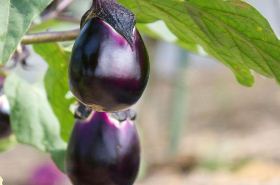
- For Blood Before Urination: Puji Fang (Universal Benevolence Formulas) recommends taking powdered Shi Wei with a decoction of eggplant branches.
- For Abnormal Uterine Bleeding: The renowned Bencao Gangmu (Compendium of Materia Medica) cites Shi Wei powder, taken with warm wine, as highly effective for excessive uterine bleeding.
The extensive historical documentation and ongoing research highlight Shi Wei's broad applications in health, particularly for its diuretic and anti-inflammatory potential (PMID: 32292679).
Important Contraindications
While generally safe when properly used, Shi Wei is contraindicated for individuals with Yin deficiency or those who do not exhibit damp-heat conditions. Always consult with a qualified TCM practitioner to determine if Shi Wei is appropriate for your specific health needs.
Historical Perspectives on Shi Wei
- The Shennong Bencao Jing (The Divine Farmer's Materia Medica Classic) notes Shi Wei's ability to address "chronic fever, pathogenic Qi, five types of urinary obstruction, and facilitates urination."
- The Bencao Gangmu (Compendium of Materia Medica) further elaborates on its uses, stating it "treats abnormal uterine bleeding, traumatic bleeding, and clears lung Qi."
Ready for a Quick Health Check?
3-Second Self-Test:
If you're experiencing frequent urges to urinate, a burning sensation during urination, or notice your urine is unusually dark...
Then Immediately: Stay hydrated with clear fluids and consider if your diet might be contributing to excess internal heat or dampness. While Shi Wei can be beneficial, severe or persistent symptoms warrant professional medical advice.
For informational purposes only. Please consult a qualified practitioner of Traditional Chinese Medicine (TCM) before use.
References
Studies show Pyrrosia lingua's diuretic effects. PMID: 15302213
Research indicates anti-inflammatory properties of Pyrrosia lingua. PMID: 24719232
A review of Pyrrosia lingua's phytochemistry and traditional uses. PMID: 32292679