Jiegumu (Bone-Setting Wood)
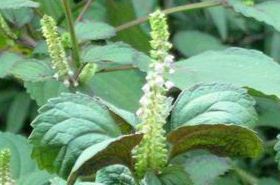
Jiegumu, commonly known as Bone-Setting Wood, is a traditional Chinese herb revered for its remarkable healing properties, especially concerning bones and tendons. Its botanical identity is often associated with species like *Sambucus adnata* or *Sambucus chinensis* in the Western scientific literature, part of the well-known elderberry family. This potent herb has been a cornerstone in traditional remedies for centuries, with its efficacy documented across various classical texts.
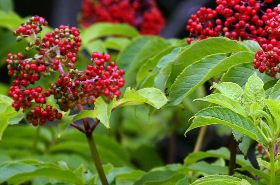
Jiegumu is known by several other fascinating names reflecting its traditional uses and characteristics. These include Bone-Setting Grass (*Jiegucao*), Bone-Mending Wood (*Xugumu*), and Penetrating Bone Herb (*Tougucao*). Historically, it has also been called Wood Sambucus, Live Cuttings, Seven-Leaf Chaste Tree, Coral Match, Iron Bone Powder, and Bone-Setting Elixir, as documented in various classic texts such as the *Tang Ben Cao* and *Ben Cao Gang Mu*.
Energetic Properties
Nature and Flavor: Sweet and bitter, with a neutral energetic temperature.
Meridian Tropism: Primarily enters the Liver Meridian, reflecting its action on tendons, ligaments, and the musculoskeletal system according to TCM principles.
Jiegumu (Bone-Setting Wood): Dosage and Administration
Internal Use: Typically prepared as a decoction, with a dosage of 15-30 grams. It can also be incorporated into traditional pills or powders.
External Use: An appropriate amount can be pounded into a fresh poultice for topical application. Alternatively, it can be used as a decoction for fumigation and washing, or ground into a fine powder and sprinkled onto the affected area.
Jiegumu (Bone-Setting Wood): Functions and Indications
Functions: Jiegumu is primarily celebrated for its ability to mend bones and reconnect tendons, support healthy blood circulation to relieve pain, and clear away "wind" and "dampness" pathogens from the body.
Indications: Traditionally used for bone fractures, traumatic injuries (such as sprains and contusions), rheumatic arthritis, gout, Kashin-Beck disease, and both acute and chronic nephritis. When applied externally, it's effective for managing traumatic bleeding.
Jiegumu (Bone-Setting Wood): Contraindications and Cautions
Important Safety Note: Jiegumu is contraindicated for pregnant women. Furthermore, as noted in the ancient text *Pin Hui Jing Yao*, excessive consumption may induce vomiting. Always adhere to recommended dosages and consult a healthcare professional, especially during pregnancy or if you have pre-existing health conditions.
Jiegumu (Bone-Setting Wood): Traditional Formulas
Here are some classical applications of Jiegumu in traditional formulas:
1. For Traumatic Bone and Tendon Injuries: Combine 15g Jiegumu, 1.5g Frankincense (*Ru Xiang*), and 30g each of Red Peony Root (*Chi Shao Yao*), Szechuan Angelica Root (*Chuan Dang Gui*), Szechuan Lovage Root (*Chuan Xiong*), and Pyrite (*Zi Ran Tong*). Grind all ingredients into a fine powder. Melt 120g yellow beeswax and mix thoroughly with the herbal powder. While still warm and pliable, roll into pills the size of large longans. For unbearable pain from injuries to tendons, bones, or sprains, dissolve one pill in a cup of good aged wine, then drink it warm. The pain should subside completely. (From *Xu Ben Shi Fang*)
2. For Nephritis with Edema: Prepare a decoction of 9-15g of Jiegumu, and take it orally. (From *Shanghai Commonly Used Chinese Herbal Medicine*)
3. For Traumatic Bleeding: Grind Jiegumu into a powder and apply externally to the wound. (From *Shanghai Commonly Used Chinese Herbal Medicine*)
4. For Lacquer Dermatitis: Prepare a decoction from 120g of Jiegumu stems and leaves. Let it cool, then use it to wash the affected area. (From *Shanxi Chinese Herbal Medicine*)
5. For Postpartum Syncope due to Blood Loss: Take a handful of Jiegumu fragments, add 1 liter of water, and decoct until 0.5 liter remains. Drink in divided doses.
Classical Commentary on Jiegumu (Bone-Setting Wood)
From the *Ben Cao Xin Bian* (New Compendium of Materia Medica): "Jiegumu enters the joints, specializing in mending tendons and bones. For fractures, it can be taken with wine; for wind-damp itching, it can be used in a medicated bath. While its standalone power to mend bones and joints is truly remarkable, its bone-mending effects are even more extraordinary when used in combination with herbs that nourish and invigorate blood. It is most effective when used fresh. When dried, its potency is reduced by half, and stir-frying it further diminishes its power by another half."
Quick Check & Immediate Steps: Empowering Your Well-being
- If you're experiencing minor aches from a recent sprain or muscle bruise and are curious about natural remedies, then consider exploring Jiegumu's topical applications for temporary relief.
- If you suspect a serious injury like a fracture, or are experiencing severe, persistent pain, fever, or swelling, immediately seek professional medical evaluation. Your health and safety come first!
References
- *Sambucus chinensis* extracts show potential for alleviating pain and inflammation, supporting its traditional use in injury recovery. PMID: 29505809
- Various *Sambucus* species, including some traditionally associated with Jiegumu, have demonstrated diuretic properties, aligning with its use for edema and kidney support. PMID: 27179069
- *Sambucus* extracts have shown wound healing capabilities, contributing to the herb's overall traditional efficacy in mending tissues. PMID: 25175652
For informational purposes only. Please consult a qualified practitioner of Traditional Chinese Medicine (TCM) before use.