Understanding Kidney Deficiency: Unraveling the Roots of Male Health Concerns
In Traditional Chinese Medicine (TCM), the lower back is often referred to as the "mansion of the kidneys." Symptoms like persistent lower back pain, weak legs, erectile dysfunction, premature ejaculation, and seminal emission are frequently interpreted as manifestations of kidney deficiency, where the body's vital essence (Jing) is not properly consolidated or retained. Consequently, the therapeutic approach in such cases typically focuses on nourishing the kidneys and stabilizing this vital essence.

Delving into Schisandra's Revitalizing Powers
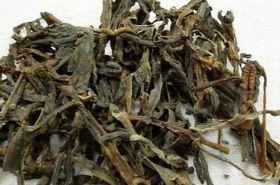
One key herb in this particular formula is Schisandra berry (Wu Wei Zi). It is characterized by its sour and warm nature, and its functions are primarily to nourish the kidneys, generate vital fluids, and astringe (firmly hold) the essence. Traditionally, Schisandra is prescribed for conditions involving chronic fatigue, emaciation due to overexertion, nocturnal emissions, and spermatorrhea. Modern research highlights Schisandra's potential adaptogenic and neuroprotective properties, supporting its traditional use for enhancing cognitive function and alleviating symptoms of stress and fatigue (PMID: 35845187).
This remarkable berry contains active compounds known as schisandrins, along with beneficial vitamins C and E. These components are believed to exert both stimulating and strengthening effects on the central nervous system, potentially enhancing mental acuity and overall vitality, which can contribute to improved work efficiency. Clinical observations suggest that Schisandra offers reliable benefits for various symptoms of neurasthenia, including insomnia, dizziness, headaches, and blurred vision. When combined with other complementary herbs, it nourishes both the liver and kidneys without causing excessive internal dryness, making it suitable for sustained use.
Eucommia Bark: A Potent Ally for Bone and Sinew Health
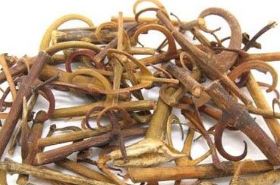
Eucommia bark (Du Zhong), sweet and warm in nature, is another crucial ingredient. It's highly valued for its capacity to tonify both the liver and kidneys and, importantly, to strengthen the sinews and bones. This makes it particularly effective for addressing persistent lower back and spinal pain, as well as general weakness in the knees and legs. In TCM theory, the liver governs the sinews while the kidneys govern the bones, so Eucommia is often employed when musculoskeletal discomfort stems from imbalances in these foundational systems. Studies indicate that Eucommia ulmoides may contribute to blood pressure regulation and offer neuroprotective benefits, aligning with its traditional application for managing dizziness and hypertension (PMID: 21338780).
Contemporary pharmacological studies reveal that Eucommia contains various compounds, including eucommiol, glycosides, alkaloids, and vitamin C. These constituents are associated with a range of health benefits, such as helping to moderate blood pressure and alleviating symptoms like dizziness and insomnia.
Crafting Your Own Herbal Remedy: Simple Steps for Vitality
This traditional formula, originating from the classic text "Qie Zhong Fang," is designed to fortify the liver and kidneys, nourish the kidneys, secure the essence, and bolster the sinews and bones. Traditional Chinese Medicine emphasizes the kidney's crucial role in overall vitality, reproduction, and aging, viewing formulas like this as foundational for maintaining long-term well-being and addressing age-related concerns (PMID: 20172605).
Addressing Specific Conditions with This Blend
This herbal combination is traditionally indicated for:
- Kidney deficiency characterized by lower back pain, dizziness, and a heavy sensation in the head, often observed in early stages of hypertension.
- Symptoms such as dizziness, insomnia, general fatigue, weakness in the lower back and legs, erectile dysfunction, seminal emission, and a pervasive lack of vitality, commonly associated with neurasthenia.
Preparing Your Herbal Infusion: A Daily Ritual
Formula Composition:
- Eucommia bark (Du Zhong): 20 grams
- Schisandra berry (Wu Wei Zi): 9 grams
Preparation Instructions:
To prepare this potent remedy, first grind both herbs into a coarse powder. Transfer the powdered mixture into a clean thermos. Add an appropriate amount of freshly boiled water, ensuring the herbs are fully submerged. Secure the lid and allow the mixture to steep for 15 to 20 minutes. Sip this infusion frequently throughout the day, making sure to consume the entire preparation within a single day for optimal effect.
Important Note: This remedy is generally not recommended for individuals experiencing seminal emission or lower back pain that is primarily caused by damp-heat accumulation in the lower jiao (lower burner).
References:
Schisandra has shown neuroprotective effects (PMID: 35845187)
Eucommia may contribute to blood pressure regulation (PMID: 21338780)
TCM views kidney health as foundational for long-term well-being (PMID: 20172605)
Quick Check & Swift Support: 3-Second Self-Test, 30-Second Self-Rescue
If you frequently experience a dull ache in your lower back accompanied by persistent fatigue and feeling easily drained, then it might be time to consider nourishing your kidneys. Try incorporating this simple Eucommia and Schisandra infusion into your daily routine starting today.
If you find yourself battling unexplained dizziness, disturbed sleep, or a general lack of drive that impacts your daily life, then this traditional herbal blend could be a gentle yet effective way to support your body's natural balance and boost your vitality.
For informational purposes only. Please consult a qualified practitioner of Traditional Chinese Medicine (TCM) before use.