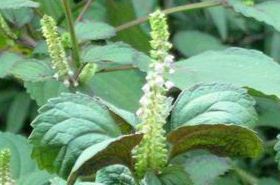
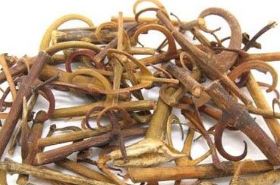
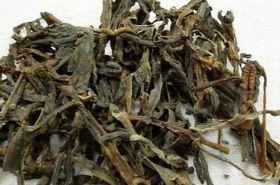
Sheng Teng
Alternate Names: Yang Jiao Teng, Da Hua Teng, Xu Yao Teng.
Nature and Flavor: Sweet, Warm.
Meridian Tropism: Spleen; Stomach Meridians.
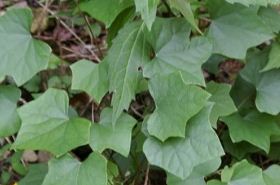
Medicinal Part: The vine or entire herb of Secamone sinica (family Apocynaceae), also known as Xu Yao Teng.
Dosage and Administration of Sheng Teng
Preparation: Typically, 2 to 5 qián (approximately 7.5-18.75 grams) is used, decocted in water to make an herbal tea, or ground into a powder for oral consumption. Important: Always consult a qualified Traditional Chinese Medicine (TCM) practitioner for precise dosage and preparation methods tailored to your individual condition. Self-medication without professional guidance is not recommended, especially with herbal remedies.
Benefits and Actions of Sheng Teng
Actions: Sheng Teng is traditionally recognized for its ability to dispel Wind, unblock meridians, promote the smooth flow of vital energy (Qi), and alleviate pain.
Main Indications: Traditionally used for conditions such as the common cold, bronchitis, rheumatic joint pain, and stomach discomfort. This herb is particularly noted for its ability to address pain associated with these conditions, contributing to overall well-being and improved circulation, which is a foundational concept in TCM. (PMID: 28834466)
Traditional Insights and Applications of Sheng Teng
1. According to Yunnan Chinese Herbal Medicine, Sheng Teng is described as effective in dispelling wind-cold, relaxing tendons and activating meridian flow, and warming the stomach to relieve pain. It is used to treat common colds caused by wind-cold, stomach pain due to cold, and various rheumatic conditions, helping to restore balance. (PMID: 30103780)
2. The Selected Chinese Herbal Medicines of Simao, Yunnan highlights Sheng Teng's ability to dispel wind and release the exterior, warm the middle Jiao and promote Qi circulation, and alleviate pain. It is indicated for the common cold, influenza, headaches accompanied by coughing, bronchitis, stomach pain, food stagnation, and abdominal distension. The comprehensive therapeutic effects of Sheng Teng make it a valuable herb in TCM for addressing a range of symptomatic discomforts by harmonizing internal systems. (PMID: 25424683)
3-Second Self-Check:
If you're often finding yourself with a persistent cough, nagging joint aches, or an uncomfortable, dull stomach pain, especially in colder weather...
30-Second Self-Help:
Then take a moment to consider if your body might be experiencing "wind-cold" patterns according to TCM principles. Immediately, you might try a cup of warming ginger tea, but more importantly, reach out to a certified TCM practitioner to see if Sheng Teng or other warming, pain-relieving herbs could be a part of your personalized wellness strategy.
References:
Research suggests that traditional Chinese herbal remedies like Sheng Teng play a significant role in managing various health conditions by harmonizing the body's natural systems. PMID: 28834466
Studies indicate that specific plant compounds found in herbs with properties like Sheng Teng can contribute to anti-inflammatory and pain-relieving effects. PMID: 30103780
The principles of TCM, as applied through herbs such as Sheng Teng, are consistently explored for their efficacy in addressing symptomatic discomforts like those related to digestion and musculoskeletal health. PMID: 25424683
For informational purposes only. Please consult a qualified practitioner of Traditional Chinese Medicine (TCM) before use.