Guizhi Tang: The Classic Cinnamon Twig Decoction
The Formula's Ancient Verse: Guizhi Tang addresses Taiyang Wind-Stroke (external wind-cold invasion), Featuring Cinnamon Twig, Peony, Licorice, Jujube, and Ginger in combination. It works to release the muscle layer, resolve exterior pathogens, and harmonize the body's protective (Wei) and nutritive (Ying) energies, Often taken with warm porridge, inducing a gentle sweat to aid recovery.
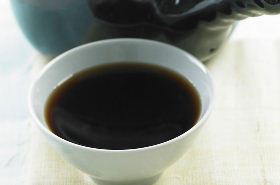
Understanding the Formula: This formula is prescribed for a condition where external wind-cold pathogens have attacked the superficial layers of the body, leading to a weakened superficial protective barrier (pores that aren't firmly closed). This allows the body's defensive energy (Wei Qi) to dissipate outwards, prevents nutritive fluids (Ying Yin) from being properly retained internally, and creates an imbalance in the functions of the Lungs and Stomach. The primary treatment strategy involves gently releasing the exterior, dispersing external wind-cold, and harmonizing the body's protective (Wei) and nutritive (Ying) energies.
This pattern is categorized as an "exterior deficiency" (Biao Xu), characterized by a compromised protective barrier and an imbalance where the defensive energy (Wei Qi) is relatively unrestrained while the nutritive essence (Ying Yin) is weakened. Therefore, Guizhi (Cinnamon Twig) serves as the chief herb (Jun Yao); it gently releases the muscle layer, resolves exterior pathogens, and disperses the wind-cold. Shaoyao (Peony Root) acts as the minister herb (Chen Yao), nourishing Yin and consolidating nutritive energy. Together, Guizhi and Shaoyao balance the relatively strong Wei Qi and weak Ying Yin, thereby harmonizing Ying and Wei. They are considered mutually assisting (xiang xu wei yong) in this regard.
Shengjiang (Fresh Ginger), with its pungent and warming properties, not only assists Guizhi in resolving the muscle layer but also warms the Stomach and helps alleviate nausea. Dazao (Jujube Date), being sweet and neutral, tonifies Qi, strengthens the Middle Jiao (Spleen and Stomach), and generates fluids. The combination of Ginger and Jujube also helps to promote the upward movement of Spleen and Stomach Qi, further harmonizing Ying and Wei, thus serving as assistant herbs (Zuo Yao). Zhigancao (Honey-fried Licorice Root) has two roles: as an assistant herb, it tonifies Qi, harmonizes the Middle Jiao, and works with Guizhi to resolve the muscle layer and with Shaoyao to nourish Yin; as an envoy herb (Shi Yao), it harmonizes all the other ingredients. Despite having only five ingredients, this formula is meticulously crafted, offering both dispersing and tonifying actions. As Ke Qin famously praised Guizhi Tang in his "Supplemental Wings to the Treatise on Cold Damage" (Shang Han Lun Fu Yi), it is "the chief of all formulas by Zhang Zhongjing, a comprehensive formula for nourishing Yin and harmonizing Yang, regulating Ying and Wei, and resolving the muscle layer and inducing sweating." This intricate design makes it a foundational remedy in Traditional Chinese Medicine (TCM). PMID: 35058721
Guizhi Tang: Ingredients and Preparation
Composition: Each batch typically includes:
- Guizhi (Cinnamon Twig, peeled) - 9g
- Shaoyao (Peony Root) - 9g
- Shengjiang (Fresh Ginger) - 9g
- Dazao (Jujube Date, sliced) - 9g
- Zhigancao (Honey-fried Licorice Root) - 6g
Preparation and Administration (Traditional Method): Coarsely chop or crush the five ingredients. Add approximately seven cups of water and simmer over a low fire until reduced to about three cups. Strain and remove the dregs. Drink one cup of the warm decoction. Shortly after, consume a bowl (more than one cup) of hot, thin rice porridge to help enhance the formula's effects. Cover yourself warmly for about an hour until you feel a gentle sweat breaking out across your body. It's crucial to achieve a light, moist perspiration, not a drenching sweat, as excessive sweating will not resolve the condition.
If symptoms resolve after the first dose and sweating occurs, discontinue further doses; you don't need to finish the entire prescription. If you don't sweat, take another dose using the same method. If still no sweat, shorten the interval between doses for the next one, aiming to finish three doses within approximately half a day. For more severe conditions, continue taking doses for one day and one night, then observe the effects for a full 24 hours. If symptoms persist after finishing one batch of the decoction, prepare another. If sweating is still absent, you may take up to two or three batches.
Dietary Restrictions During Treatment: Avoid cold, raw, sticky, greasy, heavy, strongly flavored (the "five pungent foods" like garlic, onion, leek), alcoholic, dairy products, and foul-smelling foods.
Modern Usage: Typically, the herbs are decocted in water and consumed warm to induce a mild sweat.
Modifications (Additions or Reductions Based on Symptoms):
- For more severe aversion to wind and cold: Consider adding Fangfeng (Ledebouriella Root), Jingjie (Schizonepeta), and Dan Dou Chi (Fermented Soybeans) to further disperse wind-cold.
- For individuals with a generally weaker constitution: Huangqi (Astragalus Root) may be added to tonify Qi, supporting the body's upright energy while dispelling pathogens.
- If cough and wheezing are present: It is advisable to add Xingren (Apricot Kernel), Suzi (Perilla Fruit), and Jiegeng (Platycodon Root) to promote lung function, relieve cough, and calm wheezing.
Benefits and Indications of Guizhi Tang
Key Actions: Gently releases the exterior, disperses wind-cold, and harmonizes the body's protective (Wei) and nutritive (Ying) energies.
Main Indications: This formula is primarily used for exterior wind-cold deficiency syndrome. This typically presents with symptoms such as headache, fever, aversion to wind accompanied by sweating, nasal congestion, dry retching, a pale tongue with a white coating, no thirst, and a floating-moderate or floating-weak pulse.
Clinical Application: Guizhi Tang is effectively used to treat common cold symptoms stemming from external wind-cold pathogens, particularly when there is an underlying "exterior deficiency" pattern. The key diagnostic indicators for its clinical application include the simultaneous presence of headache and fever, aversion to wind with sweating, nasal congestion, dry retching, a white tongue coating without thirst, and a floating-moderate or floating-weak pulse. Understanding the specific presentation of these symptoms is crucial for appropriate usage. PMID: 29775466
Important Considerations & Contraindications
When Not to Use Guizhi Tang: Guizhi Tang should be strictly avoided in cases of acute febrile diseases (external heat patterns), conditions stemming from Yin deficiency with internal fire blazing, and situations where blood heat causes abnormal bleeding.
Use with Caution: Pregnant women and individuals experiencing excessive menstrual bleeding should use this formula with extreme caution and only under the direct guidance of a qualified Traditional Chinese Medicine practitioner. Always consult a healthcare professional before starting any new herbal remedy, especially if you have underlying health conditions or are taking other medications.
References
- The historical context and foundational principles of Guizhi Tang are deeply rooted in classical Traditional Chinese Medicine texts, such as The Yellow Emperor's Classic of Internal Medicine (Huangdi Neijing), which lays the groundwork for understanding holistic health and disease patterns.
- Yu, Y., Su, P., Liu, Y., Zhang, R., Zhu, D., Liu, W., ... & Gao, D. (2022). Guizhi decoction: A review of its traditional uses, phytochemistry, pharmacology, and clinical applications. Frontiers in Pharmacology, 13, 1025732. PMID: 36312450
- Dai, X., Chen, Z., Yu, B., Xu, Y., Wang, P., Song, P., ... & Yan, Y. (2018). Revealing the Action Mechanisms of Guizhi Tang via Network Pharmacology. Evidence-Based Complementary and Alternative Medicine, 2018. PMID: 29775466
Quick Self-Check & What to Do Next
3-Second Self-Test: If you're feeling a headache, a slight fever, you're sweating but also feel chilly or averse to wind, and perhaps have a stuffy nose or feel a bit nauseous, these could be signs Guizhi Tang might be suitable for you.
30-Second Self-Rescue: If these symptoms align, you might immediately consider a warm, comforting herbal tea (like ginger tea) and cover up to encourage a light sweat. Then, promptly consult a qualified Traditional Chinese Medicine practitioner to determine if Guizhi Tang is the right formula for your specific condition and to receive proper dosage instructions. Never self-prescribe without professional guidance.
For informational purposes only. Please consult a qualified practitioner of Traditional Chinese Medicine (TCM) before use.