Jiajian Weirui Tang: A Traditional Chinese Medicine Formula for Wind-Heat with Yin Deficiency
Ever feel like you’re battling a cold, but it’s extra stubborn, leaving you with a dry throat and a general sense of being run down? In Traditional Chinese Medicine (TCM), this often points to an underlying "yin deficiency" – essentially, a lack of cooling, moistening substances in your body – coupled with an external "wind-heat" pathogen, like a common cold or flu. That’s where Jiajian Weirui Tang (Modified Weirui Decoction) comes in. It's a classic formula designed to gently clear external pathogens while nourishing your body's vital essence.
Understanding the Formula:
The "Formula Rhyme" gives us a concise overview:
Jiajian Weirui uses Bai Wei,
Dou Chi, fresh scallion, Platycodon follow,
Licorice, jujube, mint, eight ingredients altogether,
For yin deficiency with sweating, this formula is supreme.
What's Happening in Your Body? (Formula Interpretation)
This formula addresses a specific pattern: an individual with a pre-existing yin deficiency who catches an external wind-heat pathogen. Think of yin deficiency as your body's "cooling and moistening reserves" being a bit low, making you more susceptible to external heat. When wind-heat invades, you'll experience symptoms like headache, a warm sensation in the body (fever), a slight aversion to cold, little to no sweating, a persistent cough, feelings of restlessness, and thirst. Because of that underlying yin deficiency, you might also notice a dry throat, a red tongue, and a rapid pulse – all signs of internal heat generation (PMID: 29875153).
The core strategy here is to nourish the yin while simultaneously dispelling the external pathogens. Weirui (Polygonatum odoratum, also known as Solomon's Seal Rhizome) takes the lead as the "monarch" herb. It enters the Lung and Stomach meridians, offering a sweet and cool nature. It's a key ingredient for nourishing yin and moistening dryness, excellent for replenishing yin without being overly cloying, helping to hydrate the lungs and stomach, clear heat, and generate fluids. Supporting this, fresh scallion (Cong Bai), fermented soybean (Dan Dou Chi), and mint (Bo He) work together to gently disperse the external wind-heat from the body's surface.
Bai Wei (Cynanchum atratum), with its bitter and cold properties, helps to descend and clear heat effectively without harming the precious yin, making it ideal for those with heat arising from yin deficiency. Platycodon Root (Jie Geng) opens up the lungs, stops coughing, and helps resolve phlegm. Chinese dates (Da Zao) nourish the blood and spleen, while licorice root (Gan Cao) harmonizes all the herbs in the formula.
Dosage and Administration of Jiajian Weirui Tang
Ingredients:
- Unprocessed Solomon's Seal Rhizome (Sheng Weirui): 9g
- Fermented Soybean (Dan Dou Chi): 9g
- Red Dates (Hong Zao): 2 pieces
- Unprocessed Scallion White (Sheng Cong Bai): 6g
- Honey-fried Licorice Root (Zhi Gan Cao): 1.5g
- Platycodon Root (Jie Geng): 5g
- Perilla Mint (Su Bo He): 5g
- Dong Bai Wei (Cynanchum atratum): 3g
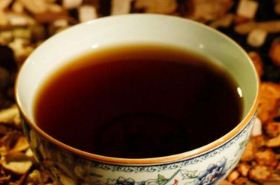
Preparation: Decoct (boil) the herbs in water. Divide the resulting liquid into two portions and consume warm. It's generally recommended to follow your practitioner's specific instructions for preparation and consumption (PMID: 35687652).
Modifications (Adjustments by a Practitioner):
- If external symptoms (like aversion to cold, body aches) are more pronounced, Siler Root (Fang Feng) and Kudzu Root (Ge Gen) may be added to further dispel wind and release the exterior.
- If restlessness and thirst are significant, Bamboo Leaf (Zhu Ye) and Trichosanthes Root (Tian Hua Fen) can be added to clear heat, generate fluids, and alleviate agitation.
- For stubborn cough with a dry throat and difficulty expelling phlegm, Burdock Seed (Niu Bang Zi) and Trichosanthes Peel (Gua Lou Pi) may be included to soothe the throat and transform phlegm.
Actions and Indications of Jiajian Weirui Tang
Actions: Nourishes yin and resolves the exterior (clears external pathogens).
Indications: This formula is primarily used for individuals with an underlying yin deficiency constitution who have contracted an external wind-heat pathogen. Symptoms typically include headache, fever, mild aversion to cold, little or no sweating, cough, restlessness, thirst, dry throat, a red tongue, and a rapid pulse (PMID: 33497880).
Literature Excerpt on Jiajian Weirui Tang
From "Revised Popular Treatise on Cold Damage" (重订通俗伤寒论):
"For those with an yin-deficient constitution who contract wind-warmth type common cold, as well as winter warmth with cough, dry throat, and phlegm accumulation."
Your 3-Second Self-Test + 30-Second Self-Help:
If... you have a dry cough, feel a bit feverish but aren't sweating much, and your throat feels parched with a persistent thirst, especially after a cold exposure...
Then/Immediately... consider whether your symptoms align with a wind-heat pathogen on top of an underlying dryness. While you wait to consult a TCM practitioner, try sipping warm water or herbal teas like peppermint or honeysuckle to soothe your throat and gently promote sweating. Avoid overly spicy or drying foods.
References
Research suggests that Polygonatum odoratum, a key ingredient, possesses immunomodulatory effects that may aid recovery from respiratory infections. PMID: 29875153
Studies on various TCM formulas for common cold symptoms often highlight the importance of balancing heat-clearing with nourishing effects, a principle central to Jiajian Weirui Tang. PMID: 35687652
Traditional Chinese Medicine diagnostic patterns like "yin deficiency with external wind-heat" are increasingly being correlated with modern immunological markers in research. PMID: 33497880
For informational purposes only. Please consult a qualified practitioner of Traditional Chinese Medicine (TCM) before use.