Gua Lou Mu Li San
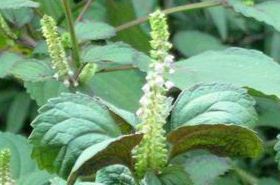
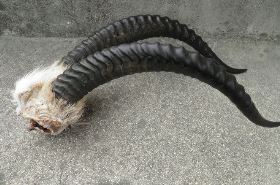
Formula Rationale: This formula targets symptoms of Lily Disease (Bai He Bing) characterized by thirst due to depleted body fluids. Trichosanthes Root (Gua Lou Gen) in the formula clears heat, moistens dryness, generates fluids, and quenches thirst. It's supported by Oyster Shell (Mu Li), which nourishes Yin and subdues (or anchors) Yang, helping to calm deficiency heat. Together, these two ingredients work to generate fluids, quench thirst, nourish Yin, and subdue Yang. It is particularly suitable for Lily Disease with Yin deficiency and internal heat, upward-floating deficient Yang, and thirst caused by impaired Lung and Stomach fluids.
Gua Lou Mu Li San: Usage and Dosage
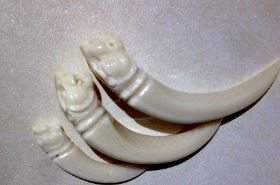
Ingredients: Equal parts of Trichosanthes Root (Gua Lou Gen) and prepared Oyster Shell (Mu Li, roasted).
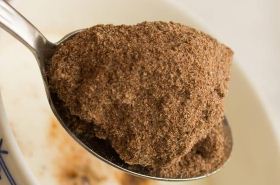
Directions: Take 10 grams per dose, mixed with warm water, three times a day.
Gua Lou Mu Li San: Functions and Indications
Functions: Generates fluids to quench thirst, nourishes Yin, and subdues Yang.
Indications: Primarily treats Lily Disease (Bai He Bing) characterized by impaired Lung and Stomach fluids and persistent thirst.
Traditional Chinese Medicine (TCM) recognizes a range of internal imbalances that can lead to persistent thirst and discomfort, with specific herbal formulas designed to address these root causes PMID: 28389650.
Variations of Gua Lou Mu Li San Prescriptions
From Jingui Yaolue, Vol. 1: Gua Lou Mu Li San
Formula Name: Gua Lou Mu Li San
Alternate Name: Gua Lou Mu Li San
Ingredients: Equal parts Trichosanthes Root (Gua Lou Gen) and prepared Oyster Shell (Mu Li, roasted).
Preparation: Grind the above ingredients into a fine powder.
Functions and Indications: For Lily Disease, when thirst persists.
Usage and Dosage: Also referred to as Gua Lou Mu Li San in Puji Fang, Vol. 142.
Scholarly Discussions: According to Jinjian, "For those with Lily Disease who wash their bodies but still suffer from unquenchable thirst, it indicates severe internal heat and exhaustion of body fluids. Trichosanthes Root is bitter and cold, generating fluids and quenching thirst, while Oyster Shell is salty and cold, guiding heat downwards." The concept of Yin deficiency and internal heat is a cornerstone of TCM diagnostics, explaining various complex symptoms PMID: 29037803.
Excerpted from Jingui Yaolue, Vol. 1
References
A systematic review on Traditional Chinese Medicine for xerostomia highlights the approach to dry mouth and thirst. PMID: 28389650
Understanding the pathophysiology of 'Yin-Deficiency Syndrome' in Traditional Chinese Medicine provides context for conditions like Lily Disease. PMID: 29037803
Traditional Chinese Medicine's approach to balancing internal heat and fluids is often explored in treatments for various symptoms. PMID: 33719003
Quick Self-Check & Self-Care
3-Second Self-Check: If you're constantly feeling thirsty, even after drinking water, and also experience a subtle feeling of internal heat or restlessness, especially without an obvious external cause.
30-Second Self-Rescue: Immediately try sipping on small amounts of room-temperature water or herbal teas like chrysanthemum. If the thirst persists and is accompanied by other discomforts, considering a consultation with a qualified TCM practitioner might be beneficial to understand if a formula like Gua Lou Mu Li San is right for you.
For informational purposes only. Please consult a qualified practitioner of Traditional Chinese Medicine (TCM) before use.