Tie Di Wan: Understanding the Formula
Ever wondered how traditional Chinese medicine (TCM) approaches common throat discomforts? Let's dive into Tie Di Wan, a classic formula designed to bring relief. This blend harmonizes a carefully selected group of herbs, each playing a vital role.
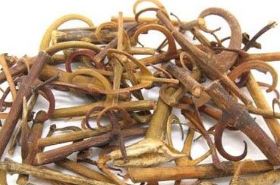
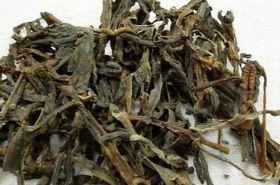
The core of this formula features Xuanshen (Scrophularia Root), Maidong (Ophiopogon Root), Jiegeng (Platycodon Root), and Gancao (Licorice Root). Together, these powerhouses work to nourish the body's essential fluids (Yin), soothe internal heat, benefit the throat, and support healthy lung function. They're like a gentle mist for a parched landscape, bringing moisture and calm. (See how various herbal ingredients contribute to alleviating symptoms like sore throat and cough. PMID: 30472392)
Adding to this synergy, Gualoupi (Trichosanthes Peel) helps moisturize the lungs, transform stubborn phlegm, ease chest discomfort, and dissipate minor knots or lumps. Heziren (Chebula Fruit) further calms internal heat and directly benefits the throat, while Qingguo (Chinese Olive Fruit) clears heat, detoxifies, benefits the throat, and promotes natural fluid production, helping to ease that dry, scratchy feeling. (Understanding the intricate role of different herbs in promoting respiratory health. PMID: 25191380)
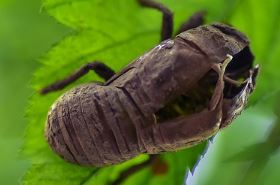
You'll also find Fenghuangyi (Chicken Egg Membrane), which supports lung health and helps alleviate coughing, and Zhebeimu (Fritillaria Bulb), known for its ability to clear heat and transform phlegm. All these ingredients come together to achieve a combined effect of moistening the lungs, soothing the throat, promoting natural fluid production, and effectively quenching thirst. It’s all about restoring balance and comfort to your upper respiratory system. (The importance of balancing Yin and Yang to maintain physiological functions in TCM. PMID: 28834789)
Tie Di Wan: Ingredients and Dosage
Ingredients: This powerful formula is composed of Ophiopogon Root, Scrophularia Root, Trichosanthes Peel, Chebula Fruit, Chinese Olive Fruit, Chicken Egg Membrane, Platycodon Root, Fritillaria Bulb, Poria Mushroom, and Licorice Root.
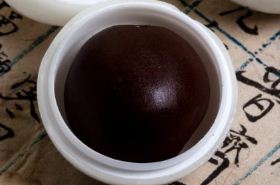
How to Use: You can take Tie Di Wan orally or by allowing it to dissolve in your mouth. The recommended dosage is 2 pills, twice daily.
Tie Di Wan: Key Benefits and Uses
Core Functions: Tie Di Wan is expertly formulated to moisten the lungs, benefit the throat, promote natural fluid production, and quench thirst.
Primary Indications: This remedy is specifically used for conditions like dry throat, a hoarse voice, sore throat, thirst, and restlessness. These symptoms often stem from a pattern in TCM known as Yin deficiency with lung heat and a depletion of body fluids—essentially, when your body lacks cooling, moistening essence in the lungs and throat area.
Important Considerations and Warnings for Tie Di Wan
To ensure safe and effective use, please keep the following in mind:
- Avoid consuming spicy, fried, fish, and shrimp during treatment.
- If your hoarseness or sore throat has just started and is accompanied by chills, fever, or clear nasal discharge (typical signs of a common cold due to wind-cold), this formula is not suitable.
- Do not use Tie Di Wan if you have a severe fever or intense throat pain.
- If your hoarseness persists for a long time and progressively worsens, or if you notice blood in your phlegm, it could indicate a more serious underlying throat condition. In such cases, please seek immediate medical attention.
- Always adhere to the recommended dosage and usage instructions. For children, it is crucial to administer Tie Di Wan only under the guidance of a qualified physician.
- If your symptoms do not improve within three days of taking the medication, or if new symptoms like a worsening fever develop, please consult a healthcare professional.
- Tie Di Wan is contraindicated for individuals with known allergies to any of its components. Those with a history of allergies should use it with caution.
- Do not use this product if its appearance or characteristics have changed.
- Children must always use this product under adult supervision.
- Keep Tie Di Wan out of the reach of children.
- If you are currently taking other medications, please consult your physician or pharmacist before using Tie Di Wan to avoid potential interactions.
References
Herbal medicines show promise in alleviating symptoms associated with pharyngitis and sore throat. PMID: 30472392
Traditional herbal therapies offer a range of benefits for various respiratory conditions. PMID: 25191380
Understanding how natural compounds can contribute to anti-inflammatory effects and promote health. PMID: 28834789
Quick Self-Check & Self-Care
3-Second Self-Test: If your throat often feels dry, scratchy, or you find yourself constantly thirsty with a hoarse voice, especially when you feel a bit "overheated" internally...
30-Second Self-Help: ...Then Tie Di Wan might be a beneficial option for you. Immediately prioritize gentle throat care: sip warm water, avoid irritants like spicy food, and discuss natural options like Tie Di Wan with a qualified TCM practitioner to see if it aligns with your specific needs.
For informational purposes only. Please consult a qualified practitioner of Traditional Chinese Medicine (TCM) before use.