Xiaofeng San
Here’s a traditional verse to help remember Xiaofeng San's purpose and key ingredients:
Xiaofeng (Dispels Wind) relieves itching and removes Wind-Dampness;
It features Mutong, Cangzhu, Kushen, and Zhimu.
Jingfang (Jingjie, Fangfeng), Gui (Danggui), Bang (Niubangzi), Chan (Chantui), Gao (Shigao), Cao (Gancao),
Shengdi and Humaren, decocted with water.
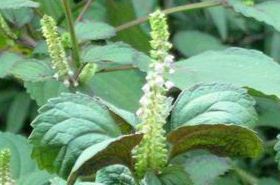
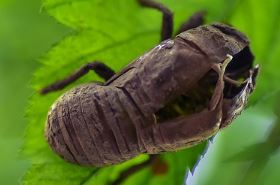
This formula, Xiaofeng San, addresses conditions like urticaria (wind rash) and eczema, which in Traditional Chinese Medicine (TCM) are often seen as resulting from an invasion of "Wind-Dampness" or "Wind-Heat" pathogens. These external influences affect the body's vital energy and blood circulation, preventing proper internal dispersal and external release, leading to an accumulation within the skin and its pores. This manifests as persistent skin itching, red rashes, or weeping lesions when scratched. The treatment strategy focuses primarily on expelling Wind, complemented by methods to clear Heat and eliminate Dampness. As itching is frequently attributed to "Wind" in TCM theory, relieving itch necessarily begins by dispersing Wind. Therefore, herbs like Jingjie (Schizonepeta), Fangfeng (Siler), Niubangzi (Burdock Fruit), and Chantui (Cicada Slough) are used for their pungent, dispersing properties to expel Wind and pathogens, thereby alleviating itching. These are considered the primary ingredients.
To support this, Cangzhu (Black Atractylodes Rhizome) is included to dispel Wind and dry Dampness, Kushen (Sophora Root) to clear Heat and dry Dampness, and Mutong (Akebia Caulis) to promote urination and drain Damp-Heat, specifically targeting the Dampness component. Shigao (Gypsum Fibrosum) and Zhimu (Anemarrhena Rhizome) are added to clear Heat and reduce fire, addressing the Heat component. These herbs serve as the secondary ingredients. Given that internal Wind-Heat can easily consume yin and blood, and Damp-Heat can obstruct blood vessels, Danggui (Angelica Sinensis), Shengdi (Rehmannia Root, raw), and Humaren (Hemp Seed) are incorporated to nourish and invigorate blood. This also embodies the TCM principle, "to treat Wind, first treat Blood; when Blood flows smoothly, Wind naturally dissipates." These act as supporting ingredients. Gancao (Licorice Root) helps clear Heat, detoxify, harmonize the middle burner, and coordinate the actions of the other herbs, serving as an assistant and guiding ingredient.
Xiaofeng San: Usage and Dosage
Composition: Danggui (Angelica Sinensis), Shengdi (Rehmannia Root, raw), Fangfeng (Siler), Chantui (Cicada Slough), Zhimu (Anemarrhena Rhizome), Kushen (Sophora Root), Humaren (Hemp Seed), Jingjie (Schizonepeta), Cangzhu (Black Atractylodes Rhizome), Niubangzi (Burdock Fruit), Shigao (Gypsum Fibrosum), all at 6g each. Gancao (Licorice Root) and Mutong (Akebia Caulis), both at 3g each.
Usage: Decoct with water and take orally.
Modifications:
- If Wind-Heat is predominant, presenting with body heat and thirst, it’s advisable to increase the dosage of Shigao (Gypsum Fibrosum) and add Yinhua (Honeysuckle Flower) and Lianqiao (Forsythia Fruit) to enhance the effects of dispersing Wind, clearing Heat, and detoxifying.
- For predominant Damp-Heat accompanied by chest and epigastric fullness and a yellow, greasy tongue coating, add Difuzi (Kochia Fruit) and Cheqianzi (Plantago Seed) to clear Heat and promote urination to eliminate Dampness.
- If there's significant Heat in the Blood causing red skin rashes, vexation, fever, and a red or dark red tongue, it’s recommended to increase the dosage of Shengdi (Rehmannia Root, raw) or add Chishao (Red Peony Root) and Zicao (Arnebia Root) to clear Heat and cool the Blood.
Xiaofeng San: Functions and Indications
Functions: Dispel Wind, eliminate Dampness, clear Heat, and nourish Blood.
Indications: Urticaria (wind rash) and eczema. Symptoms often include intensely itchy skin, red rashes, or widespread blotchy spots on the body, with weeping exudate when scratched. The tongue coating may be white or yellow, and the pulse is typically superficial and rapid.
Application: This formula is a commonly used prescription for treating urticaria and eczema. Clinically, its application is guided by key diagnostic signs such as intensely itchy skin, red rashes, and a superficial pulse.
[TCM’s approach to skin conditions often involves a holistic assessment of internal imbalances, supporting the use of formulas like Xiaofeng San for their multi-faceted effects on various pathogenic factors.] PMID: 30678229
Xiaofeng San: Precautions
Xiaofeng San is not suitable for urticaria classified as "deficient cold" in TCM. During the course of taking this medication, it is important to avoid spicy foods, fishy foods, alcohol, smoking, and strong tea, as these can potentially diminish the therapeutic effects.
[Studies on herbal medicine for dermatological conditions highlight the importance of proper diagnosis and formula selection based on TCM patterns.] PMID: 33894474
[Understanding the energetic properties of herbs, like those in Xiaofeng San, is crucial for effectively clearing heat and dampness from the skin.] PMID: 27845341
Quick Check & Action Plan
3-Second Self-Test:
If you're experiencing persistent, intensely itchy skin with red rashes that might weep when scratched, and these symptoms feel worse with heat or stress, Xiaofeng San might be relevant to your TCM pattern.
30-Second Self-Help Immediately:
If you suspect a 'Wind-Heat' or 'Wind-Dampness' pattern, immediately try cooling compresses on affected areas and strictly avoid spicy, fishy foods, alcohol, and strong tea. Consult a qualified TCM practitioner for personalized guidance and treatment with Xiaofeng San or other appropriate formulas.
For informational purposes only. Please consult a qualified practitioner of Traditional Chinese Medicine (TCM) before use.