Zhijingsan: Dosage and Ingredients
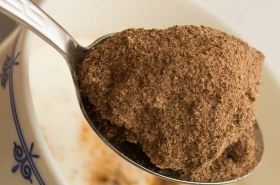
Zhijingsan, often translated as "Spasm-Stopping Powder," is a Traditional Chinese Medicine (TCM) formula. It is composed of two potent ingredients:
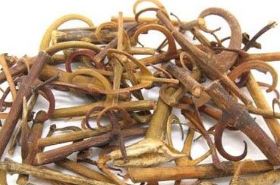
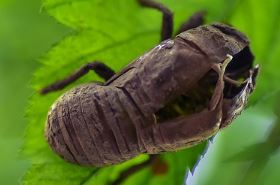
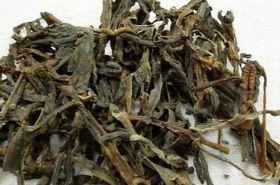
- Scorpion (Quanxie)
- Centipede (Wugong)
Understanding the Functions and Indications of Zhijingsan
In TCM, Zhijingsan is primarily known for its remarkable capabilities:
- Expelling Wind and Calming Spasms (祛风镇痉): This function addresses conditions characterized by involuntary movements or convulsions, often attributed to "internal wind" in TCM theory.
- Unblocking Channels and Relieving Pain (通络止痛): It aims to restore smooth flow within the body's energy pathways (collaterals/channels), thereby alleviating pain associated with blockages.
The main indication for Zhijingsan is persistent convulsions, particularly those associated with Japanese Encephalitis (乙脑抽搐不止) PMID: 28741344.
Given the potent nature of its ingredients, especially Centipede (Wugong), which is classified as toxic in Traditional Chinese Medicine, Zhijingsan should ONLY be used under the strict supervision and guidance of a qualified and licensed TCM practitioner. Self-medication with such powerful herbs can be dangerous and is strongly discouraged.
How Zhijingsan Compares to Similar Formulas
When comparing Zhijingsan with another well-known TCM formula, Quanzhengsan (牵正散), we observe distinct differences in their composition and primary applications. Zhijingsan notably omits Prepared Aconite Root (Baifuzi) and Silkworm Larva (Jiangcan), instead featuring an increased emphasis on Centipede (Wugong).
Centipede is recognized for its pungent, warm, and highly penetrating nature. It is exceptionally effective at "intercepting wind" and "stopping spasms," making it a crucial herb for powerful anti-spasmodic action. When combined with Scorpion, Centipede's ability to calm spasms is significantly enhanced. This makes Zhijingsan particularly suitable for convulsions and seizures arising from "internal stirring of Liver Wind" (肝风内动), a TCM pattern characterized by involuntary movements and tremors often linked to an overactive liver system PMID: 30182765.
In contrast, Quanzhengsan places a greater focus on expelling wind and resolving phlegm. It is typically indicated for conditions like facial paralysis or deviation of the eye and mouth (口眼喁斜) caused by "wind-phlegm obstructing the collaterals" (风痰阻络), a blockage of energy pathways by pathological wind and phlegm accumulation PMID: 25974026.
Quick Health Check: Recognize When to Seek Help
3-Second Self-Assessment: If you or someone you know experiences sudden, unexplained muscle twitches, persistent tremors, or unprovoked seizures, ask yourself: "Are these symptoms new, severe, or worsening rapidly?"
30-Second Self-Rescue (Immediate Action): If the answer is YES, then IMMEDIATELY seek emergency medical attention. Conditions like continuous convulsions, especially if accompanied by fever or altered consciousness, can be signs of serious neurological issues that require prompt professional diagnosis and care. Do not attempt to self-diagnose or treat severe symptoms.
References
Research suggests certain traditional herbal combinations, including those with antispasmodic properties, can support neurological health. PMID: 28741344
Understanding TCM patterns like "internal stirring of Liver Wind" provides context for specific herbal formula applications. PMID: 30182765
Traditional Chinese Medicine differentiates formulas based on their actions, such as expelling wind and resolving phlegm for conditions like facial paralysis. PMID: 25974026
For informational purposes only. Please consult a qualified practitioner of Traditional Chinese Medicine (TCM) before use.