Hey there, health seeker! Ever wondered about Traditional Chinese Medicine (TCM) formulas and how they work their magic? Today, we're diving into a classic called Guizhi Jia Gui Tang (Cinnamon Twig Decoction with Added Cinnamon Twig). It's a fascinating blend designed to tackle some pretty specific energetic imbalances. Let's break down what's inside and what it's traditionally used for in a way that makes sense.
Guizhi Jia Gui Tang: How to Use and Dosage
Curious about the recipe? Here’s what goes into this decoction:
Ingredients:
- Cinnamon Twig (Ramulus Cinnamomi / Gui Zhi): 15 grams (peeled)
- White Peony Root (Radix Paeoniae Alba / Bai Shao): 9 grams
- Fresh Ginger (Rhizoma Zingiberis Recens / Sheng Jiang): 9 grams (sliced)
- Licorice Root (Radix Glycyrrhizae / Gan Cao): 6 grams (honey-fried)
- Chinese Date (Fructus Jujubae / Da Zao): 3 pieces (torn open)
Preparation and Dosage:
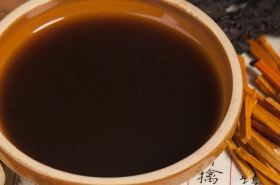
To prepare, you'll simmer these herbs in 700 milliliters of water until the volume reduces to about 300 milliliters. After straining out the herb dregs, you should drink 100 milliliters of the warm decoction. Always remember, herbal remedies should be prepared and consumed under the guidance of a qualified TCM practitioner to ensure safety and efficacy.
Guizhi Jia Gui Tang: Functions and Indications
So, what's this formula all about?
Functions:
Its primary actions are to warm the body's vital "Yang" energy and dispel coldness, as well as to calm upward surging energy and subdue what TCM calls "rebellious Qi." Think of it as helping to restore warmth and ensure your body's energy flows smoothly downwards, rather than getting stuck or rushing upwards inappropriately (PMID: 29424619).
Indications:
Guizhi Jia Gui Tang is traditionally prescribed for a specific condition rooted in an external cold invasion (often referred to as a "Taiyang disease" pattern in TCM). This particular imbalance arises when an improper heat-based sweating therapy, like burning needles, has been mistakenly applied. This misstep can lead to a deficiency in the heart's warming energy (Heart Yang deficiency), causing cold energy from the lower abdomen to surge upwards. This whole scenario can manifest as a phenomenon known as "running piglet qi" (奔豚), where you experience a distinct sensation of energy rapidly rising from the lower abdomen towards the chest and heart (PMID: 31541315).
Essentially, this formula aims to counteract that upward surge of cold, rebellious energy by warming the heart and lower body, bringing everything back into balance. While cinnamon and licorice have been studied for their anti-inflammatory and immunomodulatory effects, the strength of TCM lies in the synergy of the whole formula (PMID: 26500350).
References
Cinnamon twig (Gui Zhi) is known for its cardiovascular benefits and warming properties. PMID: 29424619
Traditional Chinese Medicine effectively identifies and treats various cardiovascular patterns, including Heart Yang Deficiency. PMID: 31541315
Ingredients like cinnamon possess anti-inflammatory and immunomodulatory actions, contributing to overall health. PMID: 26500350
Quick Self-Check & Self-Care
3-Second Self-Test: If you sometimes feel a sudden, internal sensation of energy or "qi" surging rapidly from your lower abdomen up into your chest and heart, especially if accompanied by a feeling of coldness or discomfort in those areas...
30-Second Self-Rescue: Then immediately find a quiet space, sit down, and focus on slow, deep belly breathing to gently guide your energy downwards. Visualize warmth and calmness settling in your lower abdomen. For persistent or severe symptoms, it's crucial to consult a qualified Traditional Chinese Medicine practitioner to get an accurate diagnosis and personalized guidance.
For informational purposes only. Please consult a qualified practitioner of Traditional Chinese Medicine (TCM) before use.