What is Wu Bei Zi: Uses, Benefits, and Safety Tips
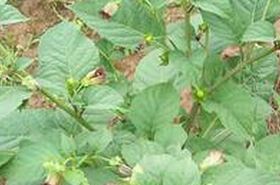
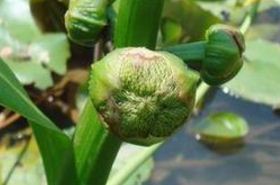
Wu Bei Zi, a naturally occurring Chinese herbal remedy, has been used in Traditional Chinese Medicine (TCM) for centuries. Known for its cooling and astringent properties, Wu Bei Zi is derived from the galls formed on certain plant leaves by insects. It’s commonly used to alleviate coughs, diarrhea, excessive sweating, and skin conditions caused by dampness or infections.
Main Characteristics
- Alternative Names: Wen Ge, Bai Chong Cang, Mu Fu Zi, Yan Fu Ye, Shang Qiu Zi
- Taste and Nature: Sour, astringent, and cold.
- Targeted Organs: Lungs, large intestine, and kidneys.
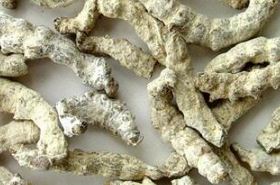
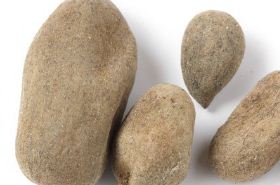
- Form: The processed galls can take a spindle or diamond shape, with a hard shell and an interior containing insect remains or powdery excretions.
How to Use Wu Bei Zi
Dosage: The recommended oral dosage is 3–6 grams. For external applications, amounts vary based on the condition.
Preparation: The galls are harvested in autumn, briefly boiled or steamed to kill insects, then dried for storage.
Health Benefits and Applications
Wu Bei Zi offers several therapeutic applications, which include:
- Improving lung function: Reduces chronic cough and clears heat-related phlegm.
- Relieving digestive issues: Helps manage persistent diarrhea and dysentery.
- Controlling sweating: Treats night sweating (especially due to deficiency) and spontaneous sweating.
- Stopping bleeding: Effective for treating minor wounds, hemorrhoids, or blood in stools.
- Healing skin conditions: Promotes recovery of damp and infected skin, such as eczema or boils.
Common Usage Recipes
- Chronic diarrhea: Grind Wu Bei Zi (30g) into powder, mix with water to form small pills, and swallow with water or rice soup as needed.
- Excessive sweating: Apply ground Wu Bei Zi powder directly to the belly button, securing it overnight for relief.
- Nosebleeds: Blow finely ground powder into the nostrils and take it orally (mixed with rice water) for added benefit.
- Wound healing: Combine Wu Bei Zi powder with vinegar to form a paste and apply it to affected areas.
Safety Precautions
Use Wu Bei Zi with caution if you have the following conditions:
- Cold-related respiratory issues (e.g., wind-cold induced cough).
- Digestive irregularities (e.g., unresolved food accumulation causing diarrhea).
Always consult with a licensed practitioner of TCM before incorporating Wu Bei Zi into your routine.
Scientific and Historical Perspectives
TCM practitioners have historically praised Wu Bei Zi for its multifaceted health benefits:
“Wu Bei Zi possesses a sour yet astringent flavor. Its cooling nature clears heat and calms inflammation, making it invaluable for chronic coughs, diarrhea, and healing wounds.”
- Compendium of Materia Medica
Recent studies validate its antimicrobial and anti-inflammatory potential (PMID: 10233192), reinforcing its traditional uses (PMID: 20487224).
Are You Using Wu Bei Zi Correctly?
Test yourself:
- If you experience frequent night sweats or chronic diarrhea, consider Wu Bei Zi. But remember to avoid if coughing due to cold or undigested food issues persist.
- Immediately stop use if symptoms worsen or allergic reactions occur.
For informational purposes only. Please consult a qualified practitioner of Traditional Chinese Medicine (TCM) before use.