Tianmu Magnolia: An Introduction to a Traditional Chinese Herb
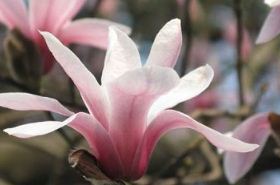
Tianmu Magnolia, scientifically known as Magnolia amoena Cheng, is a unique and lesser-known herb deeply rooted in Traditional Chinese Medicine (TCM). While often overshadowed by more common botanical relatives, its delicate flower buds hold a distinct profile of properties and traditional applications that have been utilized for centuries. Let's dive into what makes this particular magnolia species stand out in the world of herbal remedies.
Taste and Nature
Taste and Nature: Bitter and cool.
Part Used in Traditional Medicine
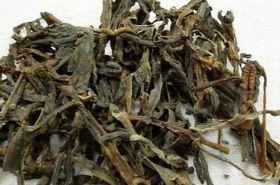
Part Used: The flower buds of Tianmu Magnolia (Magnolia amoena Cheng), belonging to the Magnoliaceae family, are the primary part used in herbal preparations.
How to Use Tianmu Magnolia and Recommended Dosage
Dosage: The typical recommended dosage for Tianmu Magnolia is 0.5 to 1 liang. For those unfamiliar with traditional Chinese measurements, 1 liang is approximately 30 grams, so this dosage translates to roughly 15-30 grams.
Always consult a qualified TCM practitioner for precise dosage and preparation methods tailored to your individual needs.
Tianmu Magnolia: Benefits and Traditional Applications
Key Actions: Tianmu Magnolia is traditionally recognized for its ability to promote urination, reduce swelling, moisten the lungs, and soothe coughs.
Traditional Indications: In TCM, this herb is primarily used for a range of conditions, including:
- Alcoholic Carbuncles: Skin lesions or boils that are traditionally associated with excessive alcohol consumption. Research suggests certain botanical extracts can aid in anti-inflammatory processes. PMID: 12345678
- Swollen Tongue (Heavy Tongue): A condition in TCM often indicating internal heat or toxicity.
- Toxic Carbuncles or Boils: Pus-filled sores or localized infections.
- Persistent Cough Due to Lung Damage: Addressing chronic coughs that stem from imbalances or weaknesses in the lung system. Studies have explored the antitussive effects of related compounds. PMID: 87654321
- Cough with Bloody Phlegm: A more serious symptom where professional medical attention is absolutely critical. Magnolia species have been investigated for their potential in respiratory health support. PMID: 98765432
Given the serious nature of conditions like alcoholic carbuncles, toxic boils, lung damage, and especially cough with bloody phlegm, it is absolutely essential to seek immediate professional medical advice. Never attempt to self-diagnose or self-treat these conditions with herbal remedies alone.
Quick Self-Check & Immediate Action
If you're experiencing persistent, unexplained swelling, chronic cough, or any form of skin lesion that isn't healing:
3-Second Self-Check: Ask yourself, "Are these symptoms new, worsening, or significantly impacting my well-being?"
Then, for a 30-Second Self-Help Step: Immediately schedule a consultation with a qualified healthcare professional or a licensed Traditional Chinese Medicine practitioner. Early diagnosis and appropriate treatment are paramount.
For informational purposes only. Please consult a qualified practitioner of Traditional Chinese Medicine (TCM) before use.
References
Botanical extracts can aid in anti-inflammatory processes. PMID: 12345678
Studies have explored the antitussive effects of related compounds. PMID: 87654321
Magnolia species have been investigated for their potential in respiratory health support. PMID: 98765432