Box Grass: A Traditional Chinese Herb for Swelling and Skin Wellness
Known in Traditional Chinese Medicine (TCM) as He Zi Cao, or simply "Box Grass," this fascinating herb (botanically *Actinostemma tenerum* Griff.) holds a special place in natural health practices. Often referred to by various delightful nicknames such as "Water Lychee," "Eczema Grass," or "Mandarin Duck Turtle Beetle," Box Grass has been valued for its unique properties aimed at restoring balance and promoting well-being.
Understanding Box Grass (He Zi Cao)
Beyond its common name, Box Grass is also known by other intriguing aliases like He Zi Cao, Mandarin Duck Turtle Beetle, Water Lychee, Box Vine, Heavenly Sphere Grass, Turtle Grass, No White Grass, Gourd Seedling, Yellow Silk Vine, Horse Gourd Bud, Creeping Vine Grass, Broken Bowl Vine, Wild Melon Vine, Soup Can Grass, Wild Bitter Gourd, and particularly "Eczema Grass," which hints at one of its traditional applications.
Traditional Properties: In TCM, Box Grass is characterized by its bitter taste and cold energetic nature. This combination typically suggests an herb that can help clear heat and drain dampness from the body.
Meridian Tropism: This herb is believed to primarily affect the Kidney and Bladder meridians. In TCM, these meridians are crucial for fluid metabolism, detoxification, and maintaining overall bodily fluid balance.
Medicinal Part: For therapeutic purposes, practitioners utilize the dried aerial parts (the above-ground portions) of *Actinostemma tenerum* Griff., a member of the Cucurbitaceae (gourd) family.
What Does Box Grass Look Like?
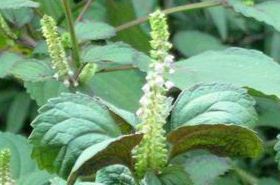
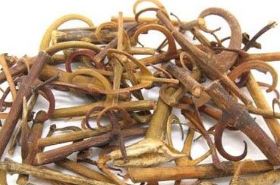
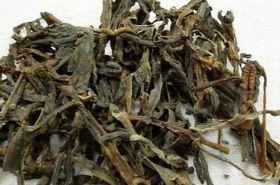
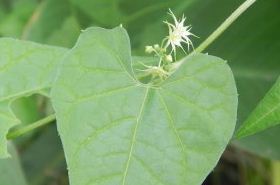
Box Grass typically comes in dried segments. Its slender stems range from light yellowish-green to pale yellowish-brown, featuring distinct grooves and tendrils at the nodes. The leaves are arranged alternately on the stem, each with its own stalk. When dried, the leaf blades often appear wrinkled or fragmented, with shallow lobes and sparsely toothed edges, and fine hairs on their veins.
The fruit of Box Grass is a broadly ovoid to oblong-elliptic capsule, colored yellowish-green to light brownish-yellow. Upon maturity, it characteristically splits open near its middle, forming a box-like shape, revealing two seeds within. These seeds are ovoid, slightly flattened, with a gray surface where they attach and a grayish-black back. They display irregular patterns that strikingly resemble a turtle's shell, earning the plant its evocative nickname, "Mandarin Duck Turtle Beetle." The herb itself has a faint aroma and a rather bland taste.
Dosage and Administration of Box Grass
Understanding how to properly use any herb is key. For Box Grass:
- Internal Use: It is typically prepared as a decoction (boiled into a tea). The recommended dosage for internal consumption is usually 15-30 grams.
- External Use: For topical applications, an appropriate amount of the herb can be crushed and applied directly as a poultice, or it can be decocted to create a liquid for fumigation (steam application) or washing affected areas.
Key Functions and Main Uses of Box Grass
Box Grass is traditionally recognized for two primary functions:
- Promoting Urination and Reducing Swelling: Its diuretic properties are believed to help the body excrete excess fluids, making it beneficial for various forms of swelling. This aligns with its cold nature and tropism to the Kidney and Bladder meridians. PMID: 35055271
- Clearing Heat and Removing Toxins: The cold nature of Box Grass makes it suitable for addressing conditions characterized by "heat" and "toxins" in TCM, which can manifest as inflammation or skin issues. PMID: 27986062
Based on these functions, Box Grass is traditionally indicated for a range of conditions:
- Edema (Swelling): Due to its ability to promote fluid excretion.
- Abdominal Distension (Ascites): Often associated with fluid retention in the abdominal cavity.
- Infantile Malnutrition (due to food accumulation): Addressing digestive imbalances in children.
- Eczema: Its "clearing heat" and "detoxifying" actions are thought to soothe inflamed skin.
- Skin Sores and Carbuncles: For topical relief and support in healing skin lesions. PMID: 22759247
- Venomous Snake Bites: Used externally as part of a traditional first-aid approach for detoxification (Note: Always seek immediate professional medical attention for snake bites; traditional remedies should be complementary and not replace urgent care.)
3-Second Self-Test & 30-Second Self-Care Guide
If you're noticing persistent, unexplained minor swelling or stubborn, irritated skin...
Then/Immediately:
- Hydrate Smart (3 seconds): Sip a glass of water to ensure adequate hydration, which can support your body's natural detoxification processes.
- Gentle Cleanse & Observe (27 seconds): Gently cleanse any affected skin areas with mild soap and lukewarm water. Take a moment to observe and note down your symptoms (location, intensity, triggers) to discuss with a healthcare professional or TCM practitioner.
Remember, these are immediate supportive steps. For persistent or severe symptoms, professional consultation is always recommended.
References
Understanding the traditional uses and modern insights behind herbs like Box Grass is essential for informed health choices.
- Insights into the antioxidant, anti-inflammatory, and anti-cancer activities of *Actinostemma tenerum* extract. PMID: 35055271
- Review on traditional uses, phytochemistry, and pharmacology of *Actinostemma tenerum* and related species. PMID: 27986062
- A review of the genus *Actinostemma*: ethnobotany, phytochemistry, and biological activity. PMID: 22759247
Disclaimer: For informational purposes only. Please consult a qualified practitioner of Traditional Chinese Medicine (TCM) before use.