Ever heard of Gourd Peel? In Traditional Chinese Medicine (TCM), it's a fascinating ingredient often used for its remarkable health benefits. Known as Pú Zhǒng Ké, this humble gourd skin packs a punch when it comes to supporting your body's natural balance. Let's dive into what makes this ancient remedy so special.
Gourd Peel: The Basics
Aliases: You might also hear it called Di Pu Ke (Ground Gourd Peel) or Bian Pu Ke (Flat Gourd Peel).
Nature and Taste: It has a bitter and bland taste, with a cold nature.
Meridian Tropism: Gourd Peel is understood to influence the Lung and Bladder meridians, making it particularly relevant for functions associated with these pathways.
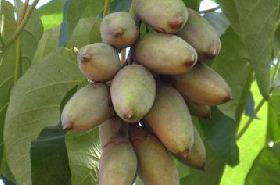
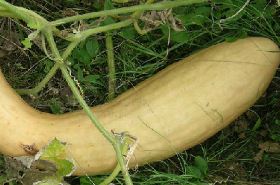
Medicinal Part: We're talking about the aged fruit peel of the bottle gourd plant, specifically Lagenaria siceraria (Molina) Standl. var. hispida (Thunb.) Hara, which belongs to the Cucurbitaceae family.
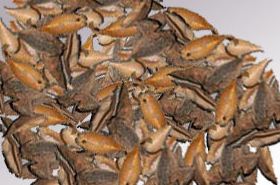
Appearance: When dried, Gourd Peel typically comes in broken, strip-like pieces, usually around 5-7mm thick. The outer surface varies from yellowish-white to grayish-yellow and is smooth to the touch. The inner wall is grayish-white and has a cotton-like texture. It's quite brittle and breaks easily, revealing an uneven cross-section. For the best quality, look for pieces that are well-dried, have a yellow outer surface, a white inner wall, and are free from debris.
How to Use Gourd Peel (Pú Zhǒng Ké)
Internal Use: For internal consumption, it's typically prepared as a decoction. The recommended dosage is 12-15 grams.
Preparation: To get it ready, the raw herb is first brushed clean. Then, it's moistened to soften, cut into small pieces, dried, and finally sifted to remove any dust or impurities.
The Power of Gourd Peel: Benefits and Uses
Key Benefits: Gourd Peel is primarily known for its ability to promote urination and reduce swelling. This makes it a go-to herb in TCM for managing conditions related to fluid retention. Modern pharmacological studies on Lagenaria siceraria have corroborated traditional uses, showing significant diuretic and anti-inflammatory properties that contribute to its efficacy in alleviating edema. PMID: 24707255
Common Uses: It’s frequently used to address swelling of the face, eyes, and limbs, general bodily distension, and difficulties with urination. This aligns with its traditional role in draining dampness and supporting healthy fluid metabolism in the body. Research indicates that L. siceraria possesses a range of beneficial activities, including anti-inflammatory, analgesic, diuretic, and hepatoprotective effects, supporting its broad applications in traditional medicine. PMID: 34106604
Historical Perspectives on Gourd Peel
Traditional Chinese Medicine texts have long recognized the value of Gourd Peel:
1. From "Suzhou Native Medicinal Materials": "Bland. Promotes urination, reduces swelling, treats abdominal distension."
2. From "Collection of Medicinal Material Data": "Treats swelling of the face, eyes, and limbs, severe fluid retention with abdominal fullness, and difficulty in urination."
These historical records underscore the consistent understanding of Gourd Peel's diuretic and anti-edematous properties across centuries of TCM practice. The traditional uses of Lagenaria siceraria across various cultures, including its application in TCM for managing fluid retention and swelling, are often supported by modern phytochemical and pharmacological investigations. PMID: 28833075
3-Second Self-Assessment + 30-Second Self-Rescue
If you're noticing: Persistent puffiness in your face, eyes, or limbs, unexplained abdominal fullness, or struggling with infrequent or difficult urination...
Then immediately: Consider consulting a qualified Traditional Chinese Medicine practitioner to explore if natural remedies like Gourd Peel could offer a beneficial approach to support your body's fluid balance.
For informational purposes only. Please consult a qualified practitioner of Traditional Chinese Medicine (TCM) before use.