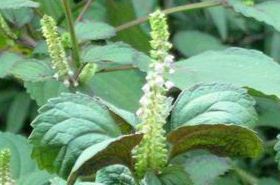
Niu Chao Teng
Also Known As: Long-leaf Hai Jin Sha, Hai Jin Sha, Willow-leaf Hai Jin Sha, Bo Jin Teng, Zuo Zhuang Teng, Zuo Zhuan Teng, Jia Diao Teng, Jie Zhi Teng, Chan Teng.
Taste and Nature: Sweet, slightly bitter, and cold in nature.
Meridian Tropism: Enters the Kidney, Liver, and Large Intestine meridians.
Medicinal Part: The whole plant of *Lygodium flexuosum* (L.) Sw. [*L. pinnatifidum* Sw.; *Ophioglossum flexuosum* L.], a plant from the Schizaeaceae (climbing fern) family.
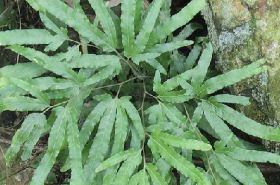
Niu Chao Teng Dosage and Usage
Internal Use: Brewed as a decoction, 10-15g.
External Use: Apply an appropriate amount as a poultice after mashing; or wash the affected area with a decoction; or prepare into an ointment for topical application.
Preparation: Harvested in summer and autumn, then sun-dried or used fresh.
Niu Chao Teng Functions and Indications
Functions: Promotes circulation and relaxes muscles and tendons, clears heat and resolves dampness, stops bleeding.
Indications: Commonly used for discomforts such as rheumatic pain, numbness or tingling in the limbs, injuries from falls or impacts (sprains/bruises), urinary tract infections, urinary system stones, edema, dysentery, skin sores and inflammatory swellings, childhood mouth sores, red and inflamed eyes, fungal skin infections, and external bleeding.
Niu Chao Teng Combinations
For treating chronic ulcers and various unidentified inflammatory swellings: Mix 20g of Long-leaf Hai Jin Sha vine (ground into powder) with 80g of petroleum jelly to create an ointment for external application. (From "Selected Materials from the National Exhibition on New Therapies in Chinese Herbal Medicine")
Related Discussions on Niu Chao Teng
1. "Sweet, slightly bitter, cold." — *Chinese Medicinal Spore Plants*.
2. "Used externally for skin conditions such as ringworm. The whole herb, decocted and taken orally, treats gonorrhea and promotes lactation." — *Taiwan Medicinal Plants*.
3. "Relaxes muscles and tendons, promotes circulation, clears heat and promotes urination, stops bleeding and reduces swelling. Treats rheumatic numbness, dysentery, urinary stones, urinary tract infections, and injuries from falls or impacts." — *Chinese Medicinal Spore Plants*.
Important Safety Notice: While Niu Chao Teng is a traditional herb, it's crucial to use it under expert guidance. Always consult a qualified practitioner of Traditional Chinese Medicine (TCM) or a healthcare professional before starting any new herbal remedy, especially if you have existing health conditions or are taking other medications.
Quick Check & Self-Care Tip:
If... you're experiencing persistent muscle stiffness or mild swelling, especially after physical activity or in damp weather.
Then/Immediately... consider discussing with a TCM practitioner if Niu Chao Teng could be a suitable herbal support for your specific pattern. In the meantime, gentle stretching and keeping the affected area warm can offer temporary relief.
References
Supports the anti-inflammatory and pain-relieving properties attributed to *Lygodium flexuosum*. PMID: 22907409
Highlights the diuretic effects of *Lygodium flexuosum*, aligning with its traditional use for dampness and swelling. PMID: 24719584
Investigates the antimicrobial and wound healing potential, supporting its traditional application for skin conditions and external injuries. PMID: 24058145
For informational purposes only. Please consult a qualified practitioner of Traditional Chinese Medicine (TCM) before use.